Gibraltar clamps down on residency before Schengen integration
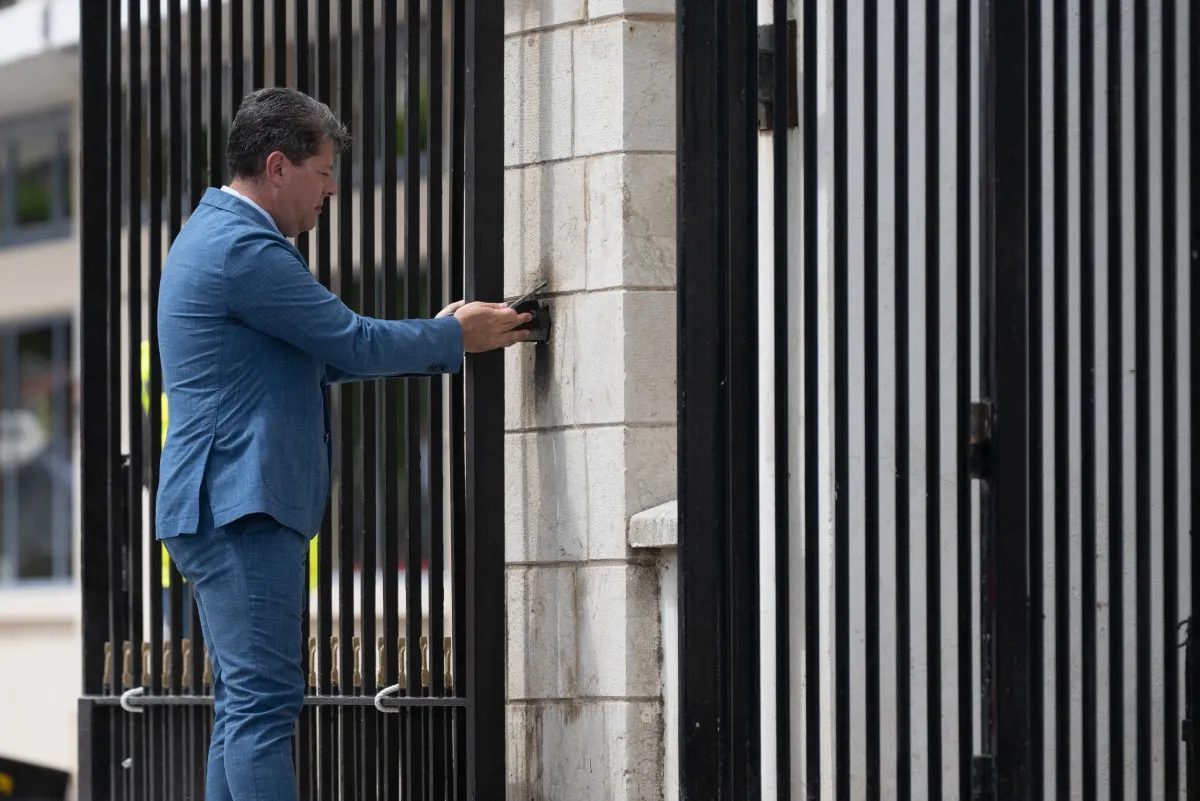
Gibraltar has introduced strict new residency requirements to prevent a surge in applications from exploiting its upcoming entry into the Schengen area, protecting local public services from being overwhelmed.
Gibraltar will enforce a stringent new residency framework from July 14, 2026, just one day before a post-Brexit treaty integrates the territory into the Schengen external border system. The rules are a direct response to a sharp spike in applications driven by UK nationals seeking to regain frictionless travel across the European Union.
The rush for Gibraltarian residency has accelerated dramatically since the treaty was announced in June 2025. According to the Sovereign Group, a tax and trust services firm, applications nearly tripled following the announcement, surging from a historical average of 1,000 per year to over 3,000 between 2022 and 2024. The new regulations are designed to ensure that new residents make a genuine economic contribution rather than using the territory as a passport back into the EU.
To filter out speculative applicants, the government has imposed a minimum salary threshold for employees of roughly £37,500, matching the territory's average gross annual pay. Applicants under 30 can earn less, but their employers must still pay tax and social insurance at the average rate. Businesses hiring foreign workers must also have operated locally for at least a year, though exemptions exist for sectors facing acute labour shortages.
Entrepreneurs and the self-employed face steep upfront costs, including an advance deposit covering a year of social insurance and minimum salary taxes. Students at Gibraltar University face fewer hurdles, needing only to pay £470 annually into the local medical scheme. Furthermore, the rules cap the age of new working residents at 55, explicitly barring older arrivals from accessing Elderly Residential Services.
New arrivals will have access to healthcare for themselves, their spouses and dependent children, but the social safety net is otherwise heavily restricted. Public housing, domiciliary care and social benefits are entirely off limits. The government has also raised the cost of entry, with application fees set at £250 and renewals at £100, while those caught living without a valid permit face a £2,500 penalty.
Crucially, the qualifying period to attain full Gibraltarian status has doubled from 10 to 20 years, requiring a much longer-term commitment before newcomers can access complete civic privileges. Chief Minister Fabian Picardo KC MP framed the changes as a necessary defence of local interests. "Gibraltar must remain open for business, open to talent and open to opportunity, but we must also ensure that residency is properly regulated in the interests of our community," he said. "We will not apologise for putting Gibraltar first."