STEM degrees offer tenfold advantage in AI era, says DeepMind chief
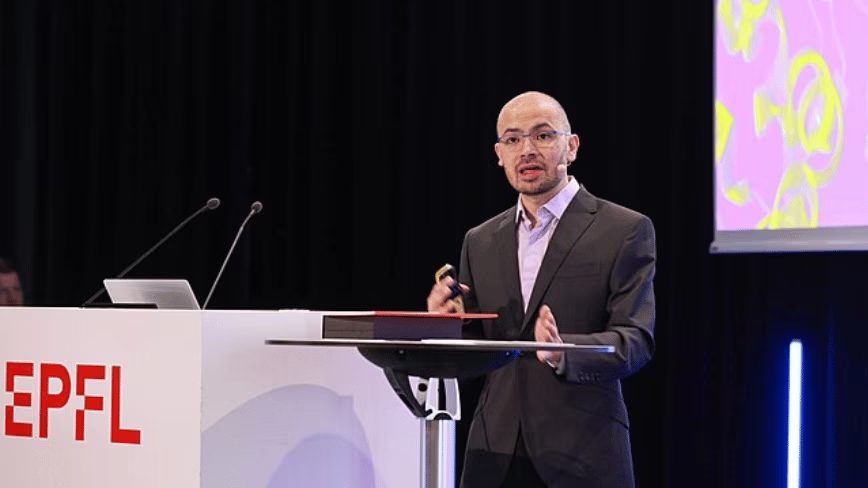
Google DeepMind's Demis Hassabis and other tech leaders are pushing back against the notion that AI eliminates the need for technical degrees, a signal to European companies and universities that deep computer science fundamentals still dictate workforce value.
Google DeepMind chief Demis Hassabis has dismissed the idea that artificial intelligence makes coding degrees obsolete, arguing instead that a background in science and technology gives workers a tenfold advantage when using the new tools.
Speaking at a London business conference in a video published on Wednesday, Hassabis framed AI as the next programming language, following machine code, C and Python. However, he stressed that underlying engineering principles remain essential.
For Europe's technology sector and the investors funding it, this serves as a counterweight to rising hype around "vibe coding"—generating software through natural language prompts without formal training. While AI can execute mid-level programming tasks, Hassabis argued that building reliable systems still requires human expertise in software architecture.
“Those people who understand the deep technical, they’ll be able to use these tools 10 times more effectively than people who don’t have that technical knowledge,” Hassabis said. “You’re still going to need to know about architecting things and best software engineering practices.”
Hassabis is joined by other major tech figures in pushing back against the idea that coding degrees are pointless. Geoffrey Hinton, a pioneering AI researcher, said in December that while AI will end mid-level programming jobs, a computer science degree remains far more valuable than just knowing how to code.
Affirm chief Max Levchin and Microsoft president Brad Smith have offered similar reassurances to anxious graduates, with Levchin noting that computer science fundamentals are what separate functional software from "garbage."
Beyond strict technical skills, Hassabis pointed to a growing need for broader academic disciplines as AI reshapes the economy. “The time is now for the humanities like philosophy, economics,” he said. “I think we really need them in the world we’re about to enter.”
For European universities and corporate training budgets, the consensus among these leaders suggests a clear economic premium. As companies integrate AI, the most valuable workers will be those who combine deep architectural knowledge with critical thinking, rather than relying solely on automated code generation.