French drought dries up a quarter of small waterways
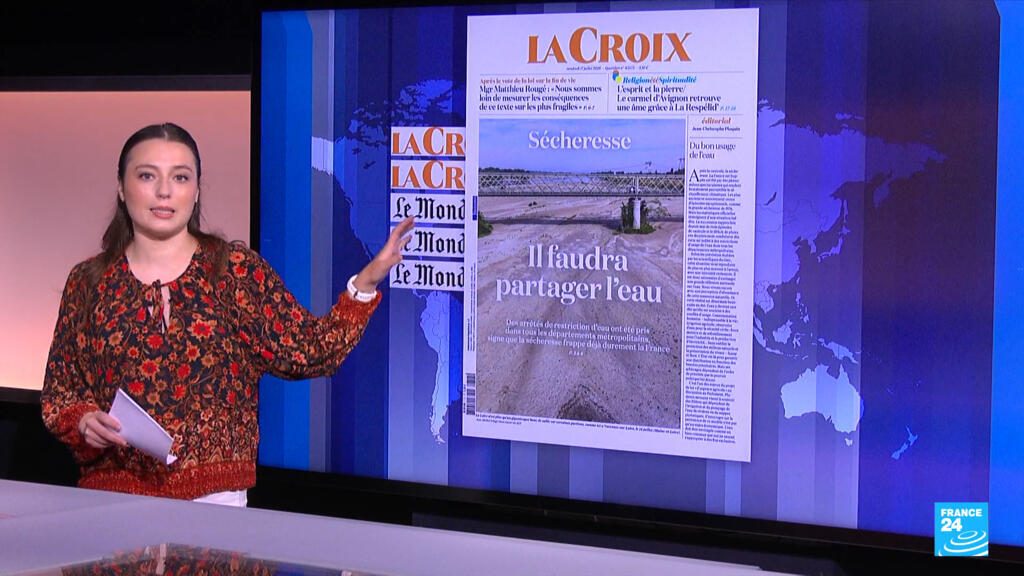
Three intense heatwaves have dried up a quarter of France's small waterways and placed 100 departments under restrictions, sparking a political clash over the future of agricultural water reserves.
A quarter of France's small waterways have run dry following low rainfall in May and three intense heatwaves. The severe drought has placed all 100 French departments under water restrictions. In the hardest-hit areas, local residents are now entirely dependent on water deliveries to meet basic daily needs.
The ecological toll is starkly visible along major waterways, with the desolate Loire River featuring on the front page of La Croix. The economic damage is also mounting rapidly for the country's agricultural sector. One organic farmer told Le Monde that a late frost, a cold spring and repeated heatwaves have sabotaged multiple crops, despite his proactive efforts to adapt to a changing climate.
The water crisis has triggered a fierce political debate ahead of an emergency agriculture bill scheduled for parliamentary debate on Monday. A central pillar of the legislation involves doubling the country's water storage capacity. The government's goal is to maintain irrigation for farmers during increasingly hot summer months.
However, a coalition of climate and nature NGOs has published an open letter in Le Monde strongly condemning the proposed water strategy. The signatories argue that expanding water reserves will simply promote an "every man for himself" attitude toward managing a severely depleted resource. They warn the plan will ultimately delay the actual adaptation of the French farming model.
This standoff highlights a critical economic dilemma for Europe as climate change accelerates. Policymakers are caught between protecting immediate agricultural yields through heavy infrastructure investment and forcing a costly, long-term transition to truly resilient farming methods.