EU targets 46% electrification by 2040 to slash fuel import costs
The European Commission has set a 46 percent electrification target for 2040, a push to eliminate €260 billion in annual fossil fuel imports that will only succeed if governments fix tax rules that currently penalise electricity use.
The European Commission wants 46 percent of the bloc’s transport, industrial and building energy needs met by electricity by 2040, more than double the current stagnant rate of 23 percent. The target forms the centrepiece of a new Electrification Action Plan designed to wean the continent off imported fossil fuels. Brussels framed the shift as a financial and security necessity following recent disruptions in the Strait of Hormuz.
Achieving this goal would cut imported fossil fuel costs by €260 billion annually. With 77 percent of the economy currently powered by fossil fuels, the Commission is betting that mass adoption of electric alternatives can shield European industry and consumers from volatile global energy markets.
The immediate obstacle is price. Electricity remains more heavily taxed than gas in several member states, deterring businesses and households from investing in electric vehicles or heat pumps. To correct this, Brussels is proposing a legal principle requiring governments to ensure electricity is not taxed higher than gas. "It’s a bold move by the Commission to ask member states to reduce electricity taxes below gas taxes, and it’s in the nations' own long-term interest," said Christian Kjaer, executive director of SuperGrid Europe.
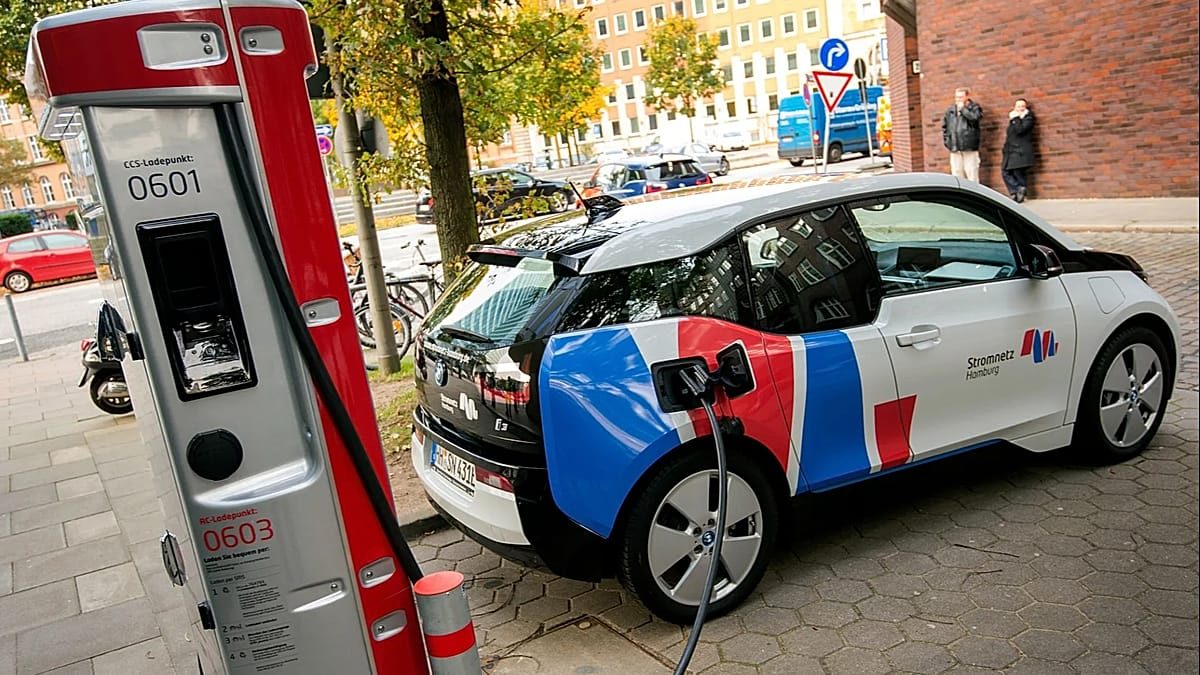
The building sector, which accounts for roughly half of EU gas consumption, is a primary focus for this transition. The Commission plans to mandate heat pumps in new buildings, cut permitting red tape and improve cost transparency for consumers. "An energy transition with electrification at the forefront could, for example, support the business case for manufacturing electric vehicles in the EU by stimulating the uptake of approximately 120 million battery EVs compared to 8 million battery EVs today, and of approximately 100 million heat pumps compared to 30 million heat pumps installed today," the Commission's plan states.
However, driving up electricity demand without guaranteeing a matching supply of clean power carries market risks. Thomas Lewis, an energy policy expert at Climate Action Network Europe, warned that the final proposal dropped a leaked benchmark to deploy 100 gigawatts of renewable energy annually. "The removal of a KPI for 100 GW annual renewables deployment that was in the leak risks new electricity demand being met via fossil fuels," Lewis said.
Lawmakers and industry groups broadly welcomed the push to reform grid charges and network codes. "Electricity must become cheaper to realise a switch away from fossil fuels. The EU must do everything that makes sense within a market-based economy to achieve this goal," said Christian Ehler, the European People's Party’s energy spokesperson. The 46 percent benchmark will serve as a measuring stick for a broader post-2030 climate strategy, with new rules to phase out fossil fuels expected by the end of the year.