EU secures Djibouti naval deal amid Red Sea closure threat
The EU has signed a new security agreement in Djibouti to sustain its naval missions, moving to protect a crucial shipping route for European energy imports from a potential Houthi blockade.
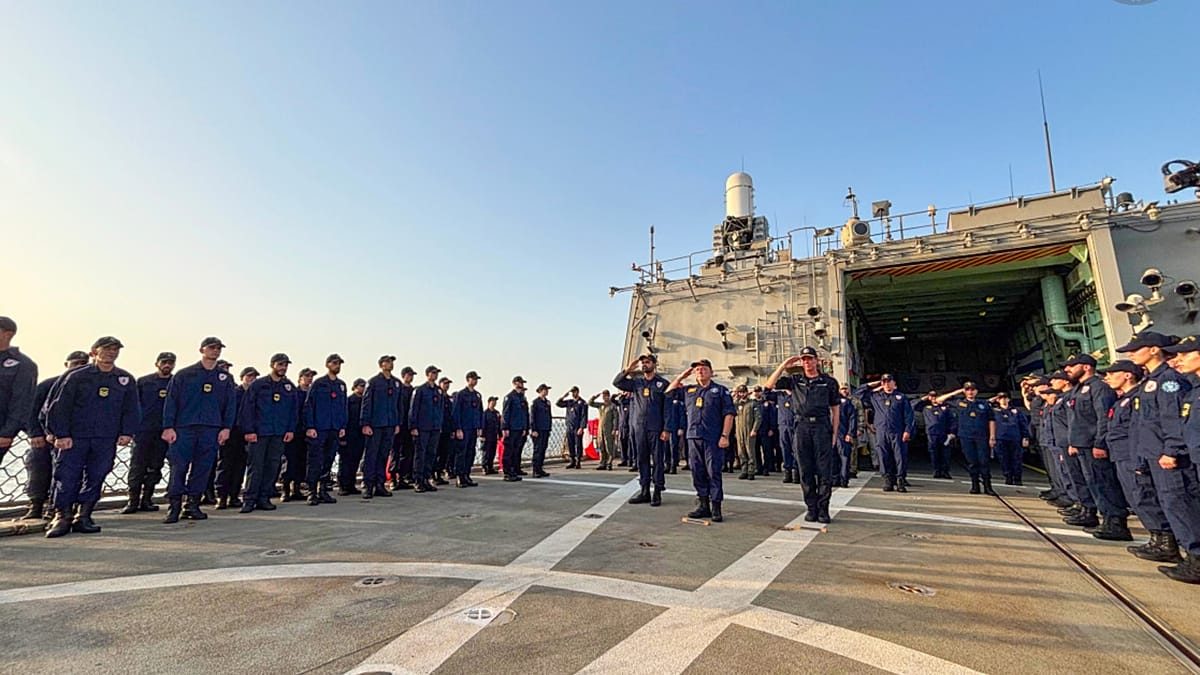
EU foreign policy chief Kaja Kallas wrapped up a trip to Djibouti on Thursday by signing a new Status of Forces Agreement with the government. The deal secures ongoing access to ports and air assets for Operation Aspides and Operation Atalanta, the EU's two naval missions coordinated from the East African nation.
The diplomatic push comes amid reports that Tehran has instructed its Houthi proxies to close the Bab el-Mandeb strait if the United States strikes Iranian infrastructure. The 30-kilometre-wide waterway separating Yemen from Djibouti and Eritrea serves as the gateway to the Red Sea.
A shutdown at Bab el-Mandeb would be a direct hit to European supply chains. Roughly 10 to 15 percent of global maritime trade traverses the strait, carrying a significant portion of Europe's oil and gas. Forcing vessels to divert around the Cape of Good Hope would add up to three weeks to voyages from Asia, sharply inflating freight costs for European businesses and consumers.
The threat of a second chokepoint closure adds severe pressure to global trade, as the Strait of Hormuz remains closed. The Houthis previously reduced commercial traffic through the Red Sea by about half between late 2023 and early 2024. Although the group paused most attacks after a US-brokered Israel-Hamas ceasefire in October 2025, it has signalled readiness to resume them.
“Maritime security is under growing pressure," Kallas told reporters. She noted that "Iran's repeated attacks on commercial vessels transiting the Strait of Hormuz are unravelling the interim agreement with the United States, while the situation in the Red Sea is once again deteriorating.” Launched in February 2024, Aspides is a strictly defensive mission that has safeguarded over 670 merchant ships and saved 128 seafarers without conducting land strikes.
Djibouti's strategic location has made it a host to military bases for over half a dozen nations, including the US, France, China, Japan, Italy and Germany. Kallas framed the new agreement as a direct defense of European economic stability. “When shipping is threatened, supply chains disrupted, prices rise, and families and businesses feel the consequences far beyond this region. That is why today's agreement matters," she said. "It's about more than supporting European operations. It's about keeping one of the world's economic lifelines open together.”