Burnham takes UK premiership, promises reindustrialisation
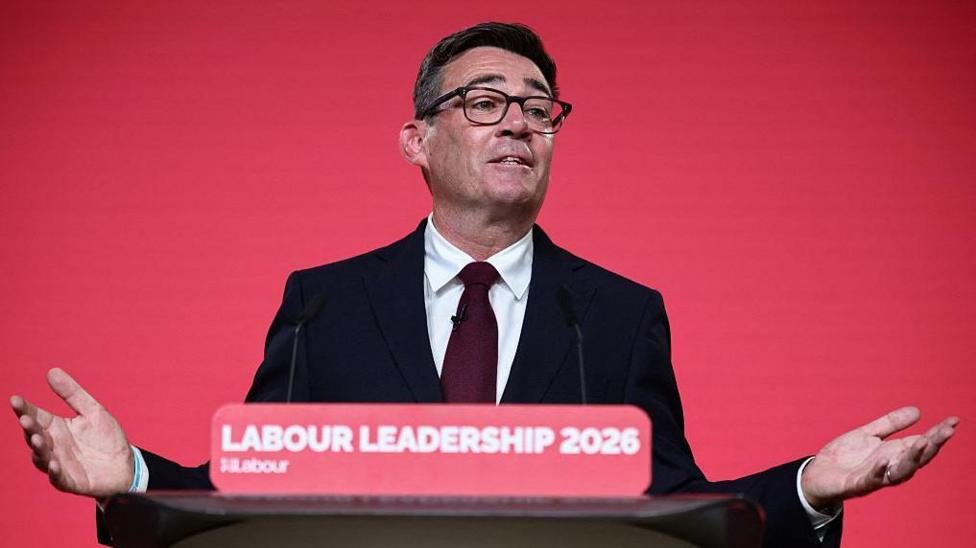
Andy Burnham takes over as UK prime minister on Monday, signalling a potential shift in the country's economic direction by vowing to reject decades of neoliberal policy and reindustrialise the nation.
Andy Burnham has been confirmed as the new Labour leader and will take over from Sir Keir Starmer as prime minister on Monday. His rapid ascent follows months of Labour trailing Reform UK in opinion polls and intense pressure from his own MPs after poor local election results in May. Burnham secured the leadership unopposed, backed by 379 Labour MPs and all 11 affiliated trade unions.
For European investors and trading partners, Burnham’s first speech signalled a potential pivot in the UK’s economic direction. He explicitly rejected the "neoliberal" policies of the past 40 years, including those enacted when he previously served in government. Vowing to reindustrialise the country, he criticised the privatisation of essential services, a stance that could herald significant policy shifts for companies operating in British infrastructure and utilities.
"Britain took a series of wrong turns in the 1980s - political power was centralised and economic power was privatised," Burnham told supporters at the TUC headquarters in London. "The country surrendered control of the essentials." This rhetoric points toward a government more willing to intervene in the economy, moving away from the market-oriented approaches that have defined recent British administrations.
As the former mayor of Greater Manchester, Burnham also pledged to devolve power away from Westminster to the regions. For businesses, a regionalised approach to economic policy could alter how major development projects are procured and managed, shifting decision-making out of the capital.
Financial markets will now look to his incoming cabinet for concrete signals of his economic agenda. There is widespread speculation that either Ed Miliband or Shabana Mahmood will replace Rachel Reeves as chancellor. However, Burnham remained light on specific policy details during his Friday speech, indicating that concrete plans will only emerge as he assumes office next week.
The new prime minister paid tribute to Starmer’s record, which included bringing rail back under public control, before addressing his own party's internal divisions. "We won't beat Britain's new right if we are consumed by infighting and pulling in different directions," he said. Linda Hobson of the Unison union summed up the expectations weighing on the new administration, stating he "must get this right and bring back the hope he promises" to deliver the transformation the UK needs.