Burnham to lead UK, pledging end to four decades of neoliberalism
Andy Burnham is poised to become UK prime minister with a pledge to reverse four decades of neoliberalism, a structural economic shift that introduces significant uncertainty for European markets awaiting his delayed choice of chancellor.
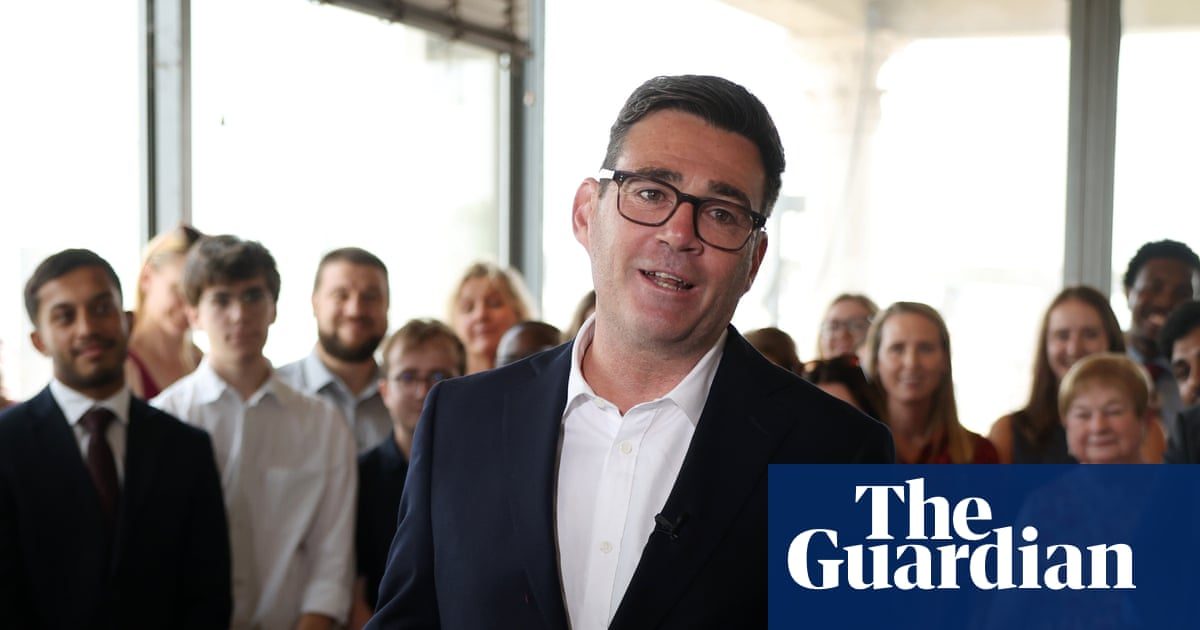
Andy Burnham will enter 10 Downing Street on Monday after securing the unanimous backing of the parliamentary Labour Party. He takes power promising what he called "the most significant change moment in our politics for 40 years."
The incoming prime minister explicitly vowed to reverse "four decades of neoliberalism" that he argues damaged working-class communities across the country. This represents a direct repudiation not only of Conservative economic policy since the 1980s, but also of the market-friendly approach adopted by the New Labour governments in which he previously served.
For European investors and trading partners, this signals a potential departure from the economic consensus that has governed the British economy for a generation. Such a fundamental shift in the UK's economic direction introduces a degree of market uncertainty as businesses wait for concrete policy details.
Burnham has indicated that this economic transformation will be driven directly from the prime minister's office. His primary structural proposal is to decentralise power by relocating part of Downing Street to Manchester, an initiative he has labelled "No 10 North."
Complicating the economic picture is Burnham's admission that he has not yet decided who will serve as chancellor. The two leading candidates are understood to be Ed Miliband and Shabana Mahmood, who represent distinctly different economic trajectories for the new government.
By delaying this appointment, Burnham appears intent on retaining tight control over the Treasury and dictating fiscal policy himself. He framed the weeks of speculation over the chancellor role as a symptom of the political culture he intends to dismantle.
Beyond economic policy, the new leader has set the goal of building cross-party consensus to detoxify British political discourse. If successful, he suggested the "turbulence of the last decade may not quite feel as inevitable as it does today."
Whether Burnham can translate these broad ambitions into a workable governing programme will become clearer when he speaks outside No 10 on Monday. Until then, the scale of his promised reversal of four decades of economic orthodoxy remains uncosted and untested.