Hungary's rapid rule of law shift eases EU fund fears
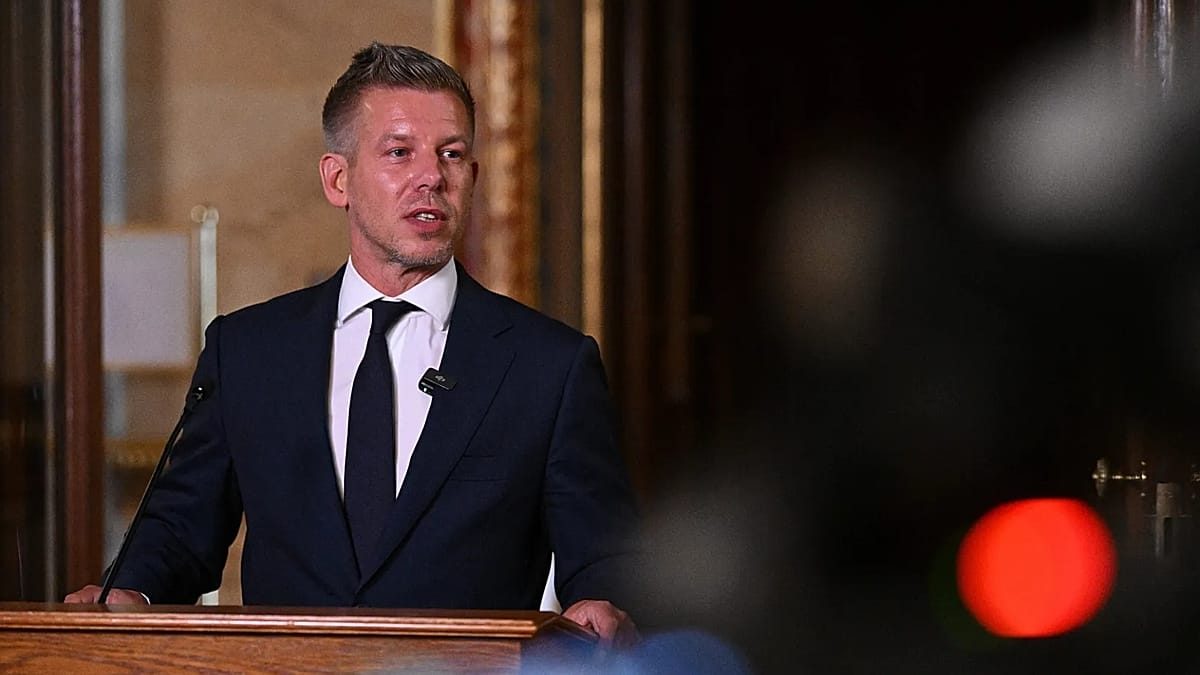
The European Commission says Prime Minister Péter Magyar has delivered rapid rule of law reforms in two months, a crucial shift that could protect Hungary's access to the next EU budget.
The European Commission has praised Hungary for an "impressive" and rapid reversal of its rule of law record just two months after Prime Minister Péter Magyar took office. A report released on Friday highlights "intense reform efforts" that mark a radical departure from the assessments of previous years. "You have a very radical change compared with last year’s report. Things have moved very, very quickly in the right direction," a senior EU official said.
For businesses and investors, the most concrete change is Budapest's decision to join the European Public Prosecutor’s Office. This body investigates financial crimes that affect the EU budget, meaning funds allocated to Hungarian projects will face stricter, European-led oversight. The move signals a direct attempt to curb the corruption risks that have long strained relations with Brussels.
The government has also moved to dismantle the Sovereignty Protection Office, a controversial body established under former Prime Minister Viktor Orbán that could access citizens' data to sanction alleged foreign agents. That office was already subject to an EU infringement procedure, and its abolition removes a significant legal threat to foreign organisations operating in the country. Additionally, the Commission noted progress on asset declarations and the work of the Integrity Authority.
Despite the early progress, significant structural risks remain in Hungary's justice system that continue to concern investors. The Commission warned that the procedure for appointing the Prosecutor General still allows for potential political interference in individual cases. Unresolved violations of EU law, broader corruption risks, and a judiciary that still requires reform mean the legal environment is not yet fully stable.
Civic space also continues to be classified as "obstructed" in the new report, with complex registration procedures posing a continued challenge for smaller organisations with limited resources. This lingering restriction suggests the operational environment for civil society groups has not yet normalised.
These remaining gaps matter because the Commission is working to tie rule-of-law compliance directly to the allocation of EU funds under the upcoming 2028-2034 budget. "We see some very positive trends [...] in the early weeks of the new government’s mandate, a lot has already been done," EU Justice Commissioner Michael McGrath said. However, McGrath stressed that the report alone will not automatically trigger the suspension of payments, leaving Hungary's full financial access contingent on continued, deeper reforms.
"Things cannot completely change overnight," an EU official noted, pointing out that many older recommendations from previous years have yet to be addressed. Budapest will need to sustain its current pace of legislative change to fully remove the financial threats that have hung over its economy.