Record French wildfires double as infrastructure costs mount
A doubling of wildfire damage across France is exposing the fragility of rural infrastructure, leaving Alpine tourist economies cut off and facing long-term fiscal burdens.
Wildfires have ravaged more than 25,000 hectares of France this year, roughly double the area burned by the same time in 2023, according to Julien Marion, directeur général de la Sécurité civile. The surge in blazes, spanning from forests near Paris to the Alpine Savoie département, has moved beyond an environmental crisis to threaten regional economies and public infrastructure.
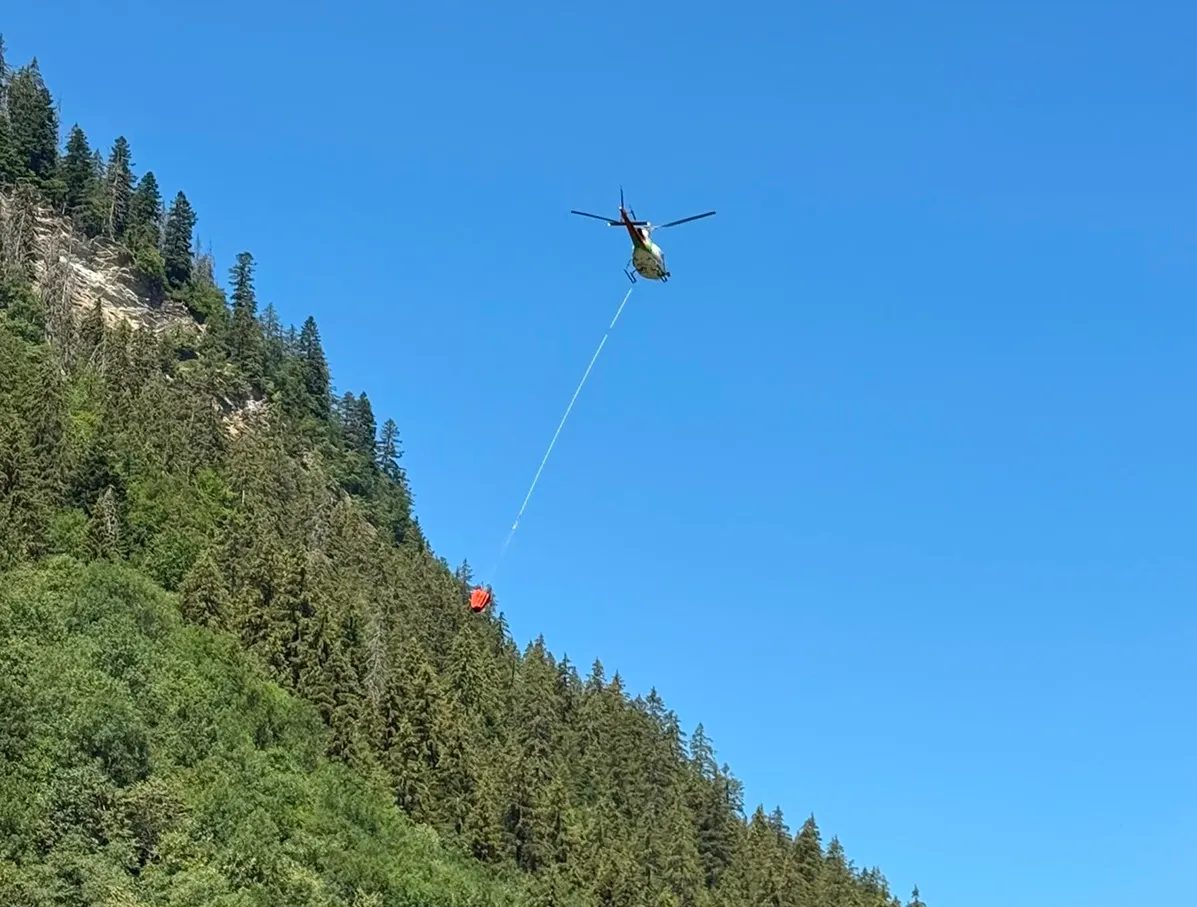
In Savoie, a blaze sparked by lightning on June 25th was initially left to burn due to low risk forecasts. Six hours after a brief helicopter water drop, the fire exploded to 80 hectares. The resulting inferno killed a volunteer firefighter in a rockfall and crippled a critical mountain road.
The highway, weakened by the fire's heat and the volume of water dropped on it, will be restricted to a single lane secured by 450 concrete blocks through the winter. This bottleneck threatens the economic lifeblood of Alpine communities, as any further accidents could entirely block access for emergency services.
The sudden road closure stranded up to 5,000 summer tourists in Pralognan-la-Vanoise, a village with a year-round population of just 650. Local commerce was forced to rely on constant helicopter flights between Bozel and Pralognan to prevent food and critical medicine shortages among visitors and isolated elderly residents.
The crisis exposes a growing fiscal and logistical burden on rural authorities. The local département was already struggling to maintain the aging road before the fire exacerbated existing cracks and depressions. Local councillor Dominik Daul called for immediate budgetary means to catch and stop wildfires at their earliest stages, stressing that early intervention is vital to prevent uncontrollable events.
The long-term economic risks extend well beyond immediate road repairs. The fire destroyed forested slopes that served as essential avalanche and erosion control. This loss is compounded by a huge February avalanche that left roughly 2.5 square metres of dead mountain pine acting as future tinder, threatening a cycle of destruction that endangers property and infrastructure.
For the residents who maintain these mountain economies year-round, the escalating natural disasters represent an existential threat. "This is our home, not a museum, not a postcard, and not a place that only exists when people come on holiday," Daul said.