Jay-Z marks Blueprint anniversary as $2.8bn empire evolves
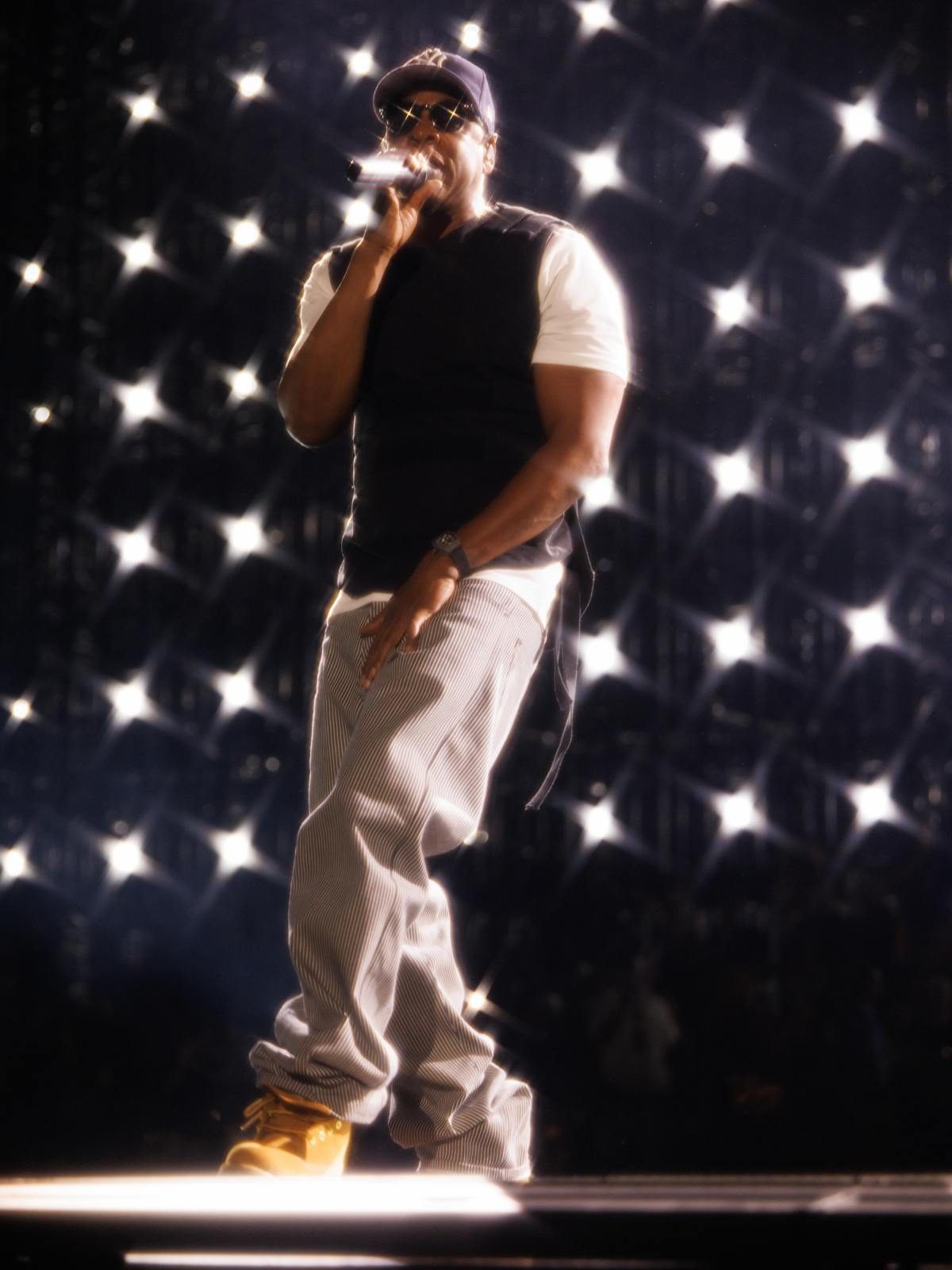
Jay-Z’s record-breaking 25th-anniversary Blueprint concerts in New York underscore the vast gulf between his origins as a rapper and his current standing as a $2.8 billion corporate power broker facing modern questions about wealth and activism.
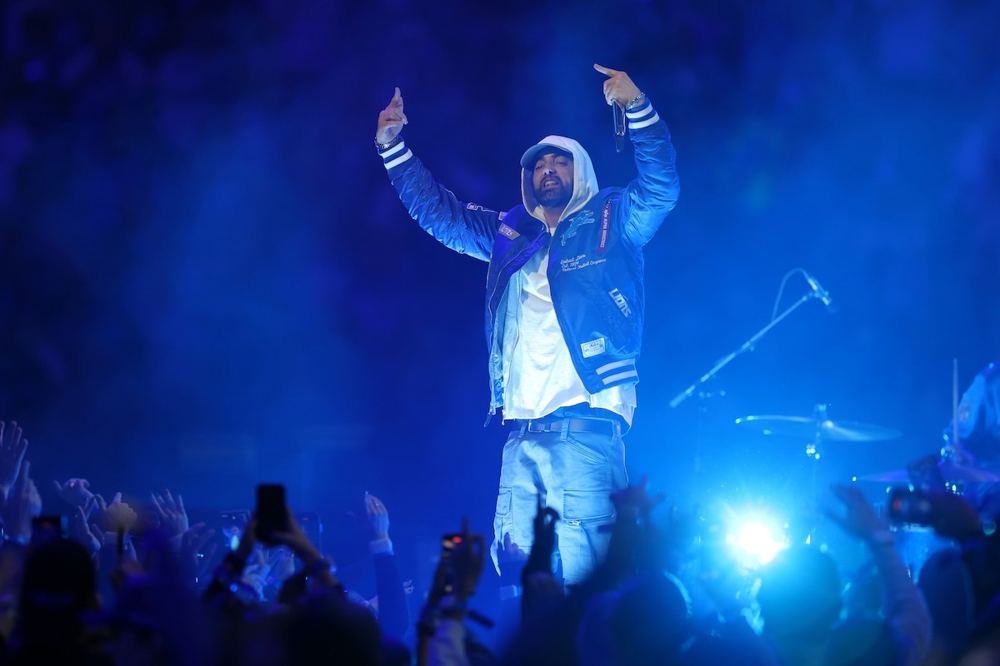
Jay-Z wrapped a trio of record-breaking performances at Yankee Stadium last weekend, celebrating the 25th anniversary of his album The Blueprint. The three shows drew roughly 50,000 fans per night, featuring guest appearances from Eminem and Slick Rick backed by a 10-piece band and an 18-person string section. Beyond the musical nostalgia, the concerts served as a stark illustration of how far Jay-Z has evolved from a recording artist into a sprawling corporate entity.
Forbes currently lists the 56-year-old as the world's richest musician, with a net worth of $2.8 billion. He has long since departed the Def Jam record label where he once rapped about becoming the "hundred million man." His current portfolio reflects a complex mix of high finance and cultural leverage, highlighted by the $302 million sale of his TIDAL streaming service and a lucrative partnership to oversee the NFL's Super Bowl halftime shows.
That expanding corporate footprint, however, increasingly attracts public scrutiny that complicates his legacy. During a recent performance, he felt compelled to address backlash over a new vinyl distribution deal with Target. Black activists and customers had protested the partnership after the retailer rolled back its diversity, equity, and inclusion initiatives. The controversy exemplifies the growing tension between his early lyrics advocating for Black empowerment and his modern business priorities.
Jay-Z has attempted to balance this perception through direct engagement with public policy. His REFORM Alliance successfully lobbied for a New York law curbing jail sentences for technical parole violations. His Team ROC organisation has also helped expose systemic corruption within a notorious Mississippi prison. Yet, these advocacy efforts are routinely weighed against his real estate and commercial ventures, such as his decision to lend his image to the developers of the Barclays Center, a project that displaced hundreds of longtime Brooklyn residents.
When The Blueprint dropped 25 years ago on the day of the September 11 attacks, Jay-Z responded by donating $1 from every tour ticket sold. Today, his approach to economic and social influence operates on an entirely different magnitude. As he navigates the divide between his hip-hop origins and his current status as a billionaire investor, his business choices continue to shape conversations around corporate accountability and urban development.