US Navy hypersonic missile project delayed by two years
A US programme to deploy hypersonic missiles on Navy destroyers is two years behind schedule due to production bottlenecks and cost overruns, raising questions about the timeline for advanced Western military deterrence.
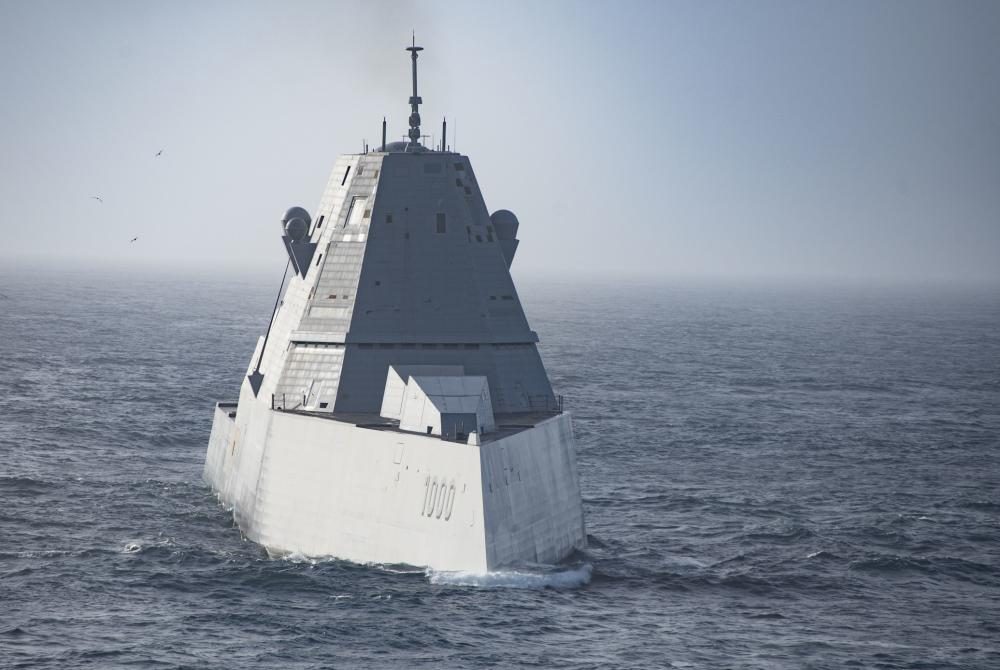
The US Navy’s effort to equip its Zumwalt-class destroyers with hypersonic missiles is two years behind schedule, with flight testing pushed back to 2027. Government auditors have highlighted a cascade of industrial and engineering failures threatening the Conventional Prompt Strike (CPS) programme.
The financial trajectory of the CPS missile is a growing concern for defence planners. A 2020 Navy estimate pegged the cost at $31 billion for 262 missiles. That figure has now ballooned to $41 billion for a reduced order of just 224 missiles.
For European allies banking on American technological superiority to counter adversaries, the production bottlenecks at prime contractor Lockheed Martin are particularly telling. The company is struggling with heat-resistant coatings, substandard parts, and insufficient factory capacity, producing only six or seven missiles a year instead of the desired 12.
The manufacturing floor itself has revealed deep flaws. “According to Navy and Army program officials, the work instructions are largely written as engineering specifications, which the contractor provides to workers who have recently graduated from high school or vocational school,” the Government Accountability Office report noted. “Navy production oversight officials said that it is unreasonable to expect workers to understand the instructions provided.”
Installing the missiles on the destroyers has generated its own setbacks. The Navy cut the Zumwalt programme from 32 ships to just three before deciding in 2022 to arm them with CPS boost-glide missiles. However, the destroyers suffer from unreliable power systems and costly, unique combat networks, while modifications for the missile tubes required significantly more cabling than anticipated.
Bureaucratic friction is further compounding the delays across the military branches. While the Navy is responsible for producing the missile body, the Army is independently buying its own land-based version and hired its own consultant to study production increases. The auditors warned that “the Navy cannot make decisions in isolation since the Army is buying its own missiles and manages key aspects of production.” They concluded that “without a joint development and procurement strategy, the Navy and the Army create the potential for both additional delay and inefficient use of taxpayer funds.”
This lack of coordination and the soaring costs highlight the broader challenges facing Western militaries as they attempt to mass-produce complex next-generation weapons. For European governments currently scrambling to boost their own defence industrial bases, the US programme serves as a stark warning about the difficulty of bridging the gap between developing a prototype and fielding a reliable weapons system at scale.