AI memory crunch drives OnePlus from European market
A global shortage of standard memory chips, redirected to feed AI data centers, has triggered a price shock in the smartphone industry that is now forcing budget brands to withdraw from Europe.
Chinese smartphone maker OnePlus has announced it will stop launching new products in Europe and North America, retreating to markets where it can still turn a profit as a global memory chip shortage squeezes device margins.
Manufacturers like Samsung, SK Hynix, and Micron are shifting production capacity toward high-bandwidth memory chips used in AI accelerators because they yield significantly higher profits per wafer. This leaves less manufacturing capacity for the standard RAM and storage components used in phones, driving up costs for consumer electronics.
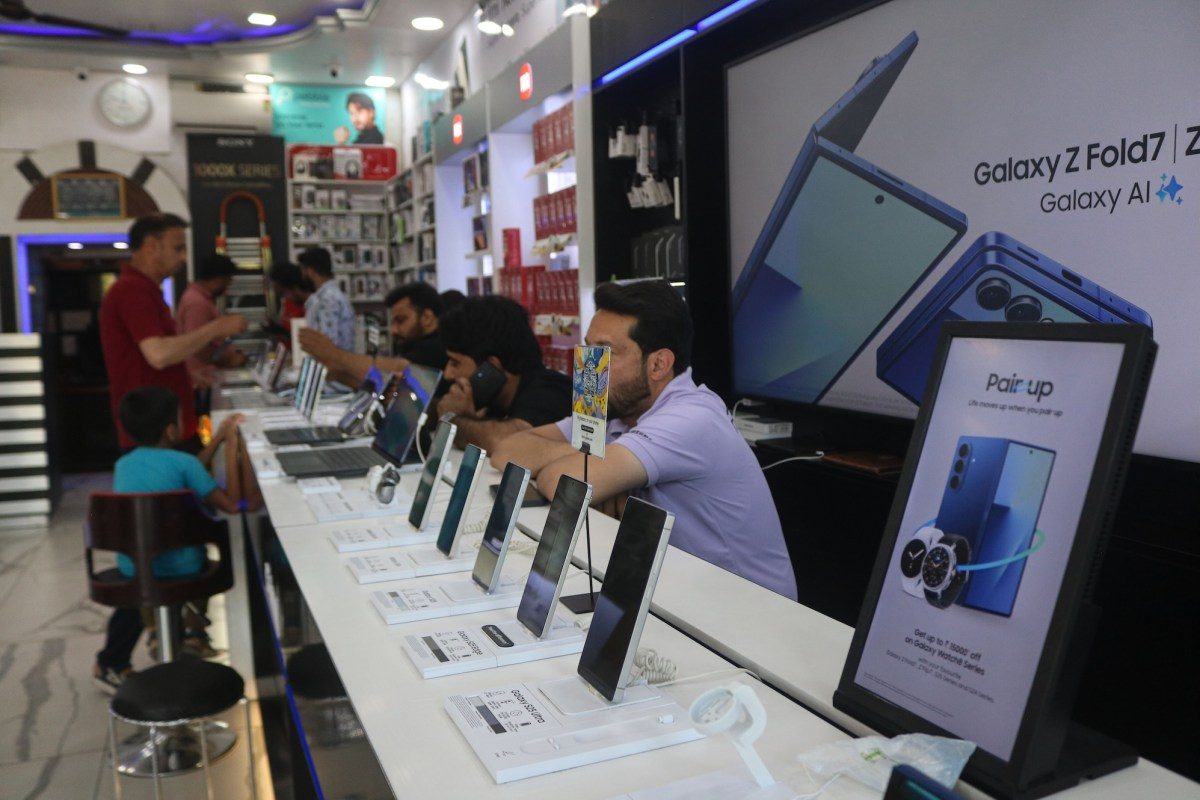
The clearest evidence of this structural shift is playing out in India, the world's second-largest smartphone market by shipments. Device shipments there fell 10% year-over-year in the April-June quarter, marking the steepest June-quarter decline in six years, according to Counterpoint Research.
While the drop was most severe in India, where 60% of the market sits under $210 and prices jumped between 4% and 68%, the underlying cost pressures are global. Tarun Pathak, a vice president of research at Counterpoint, noted that the math for running multiple sub-brands breaks down once margins get thin. "Sub-brands normally have overlaps and shared resources, and you need a minimum base to justify the cut-throat margins. Profitability is the key to deciding market operations," he said.
For OnePlus, that calculation has already been made. The brand is doubling down on China, which accounted for 74% of its global smartphone shipments to distributors and retailers in the first quarter, up from 59% a year earlier. India’s share dropped to 19% from 30% over the same period.
The retreat of budget-focused brands signals a lasting change in the consumer electronics landscape. As component costs make cheaper phones uneconomical, Kiranjeet Kaur, associate research director at IDC, warned that elevated smartphone prices are expected to persist until at least the end of 2027.
European consumers face a narrowing choice at the lower end of the market as a result. With financing becoming central to affordability, those who cannot or will not stretch to premium devices may find themselves with fewer new options as the AI supply chain permanently reshapes the industry.