French hospitality sector navigates cultural divides to protect tourism reputation
France’s professionalized waiting staff and strict social etiquette often clash with tourist expectations, prompting industry efforts to bridge the gap and safeguard the country’s vital hospitality economy.
International travelers continue to label Paris the unfriendliest city in the world, prompting renewed scrutiny of the French hospitality sector’s service standards. Visitors frequently describe local waiting staff as brusque, unwelcoming, or snooty, creating a persistent reputational challenge for the country’s tourism economy.
However, this dynamic stems from a fundamental mismatch in expectations rather than genuine poor service. In France, waiting tables is not treated as a temporary stopgap job. It is a recognized career path with formal qualifications and opportunities for professional progression.
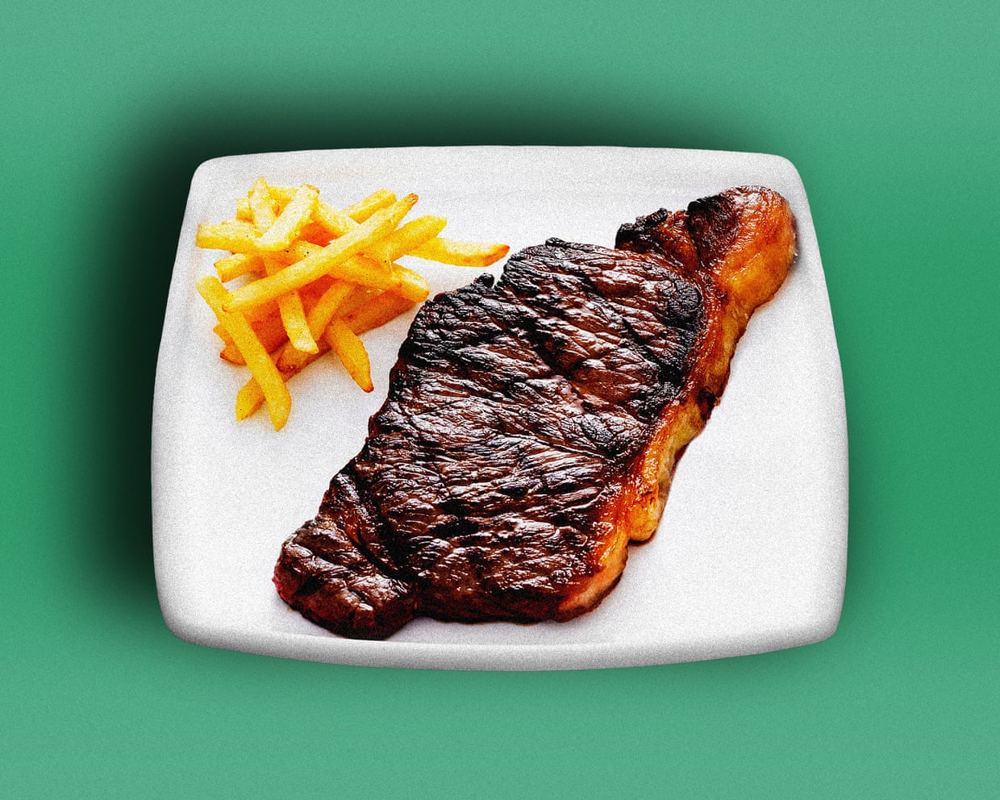
This professionalization creates a service environment where staff take a vested interest in the culinary experience. A server advising against a well-done steak or suggesting white wine instead of red with choucroute is acting on professional standards, not snobbery.
As British journalist and editor Helen Massy-Beresford observes, the friction often originates before the meal even begins. French social etiquette dictates that failing to say "bonjour" upon entering a shop or restaurant is incredibly rude. Staff in heavily touristed areas report being snubbed thousands of times daily, which naturally impacts workplace morale.
Bridging the Cultural Gap
Recognizing the economic stakes of tourism, targeted campaigns were launched ahead of the 2024 Paris Olympic and Paralympic Games. These initiatives aimed to improve how Parisians understand and welcome international visitors, acknowledging that cultural differences frequently catch tourists unawares.
For the broader European hospitality market, the French model highlights an alternative approach to workforce retention and service quality. While customers may initially perceive formal greeting requirements and authoritative menu guidance as frosty, politely standing one’s ground typically results in a warmer, more productive exchange.
Furthermore, the sector demonstrates strong adaptability in customer care when it matters most. Servers frequently go out of their way to assist families, providing crayons, sweets, or bathroom access to children, and occasionally even offering to cut up food or hold a baby.
Ultimately, safeguarding the tourism economy requires mutual adaptation. As the French hospitality sector maintains its rigorous professional standards, the onus remains on international visitors to recognize and respect the local customs that govern these everyday commercial interactions.