US-Iran strikes close Hormuz as economic risks mount
US military strikes on Iran have closed the Strait of Hormuz, sending oil prices higher and exposing European allies to severe economic and security risks.
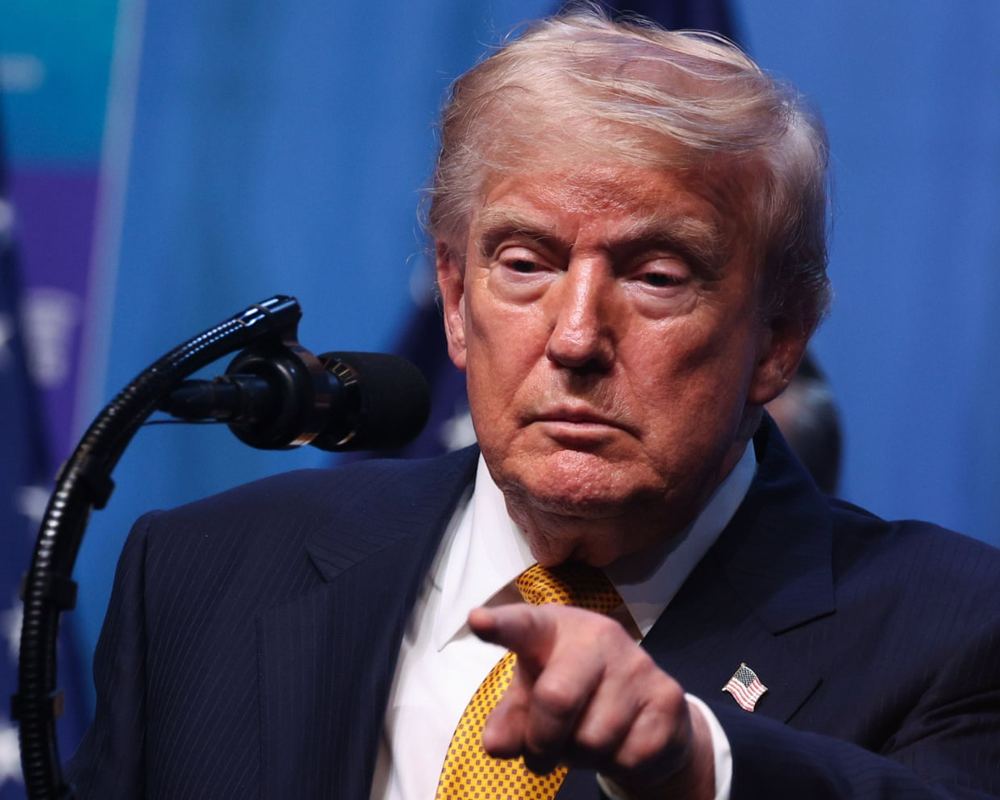
US military strikes on Iran have closed the Strait of Hormuz, sending oil prices higher as the conflict escalates into a damaging war of attrition. The closure of the critical shipping chokepoint follows retaliatory Iranian attacks on US bases in Gulf states. President Donald Trump claimed this week to be "winning big", but the original US and Israeli war aims appear more distant than ever.
The immediate economic fallout is reshaping global markets. Traders are assessing the threat of a Red Sea blockade by Yemen’s Iran-backed Houthis, a move that would severely disrupt global freight. Trump further roiled commodities markets by vowing to impose maritime tolls in the strait, only to reverse himself within 24 hours.
This week's escalation stems from the collapse of a June "memorandum of understanding" that was supposed to freeze the conflict for 60 days pending substantive negotiations. That deal is now effectively dead, with Trump resuming daily bombing campaigns despite their repeated failure to force Iranian capitulation. The economic toll is mounting, with polls showing a majority of Americans now opposing the $100bn conflict because it is fuelling inflation.
The broader economic and humanitarian risks are severe. The protracted conflict imperils Gulf Arab allies and risks triggering devastating famine in developing countries reliant on stable supply chains. Initial goals to eliminate Iran’s nuclear programme, degrade its regional militias, and force regime change have stalled. Instead, continued strikes on civilian infrastructure have only hardened the Iranian regime's resolve.
For European governments, the geopolitical and security implications are increasingly stark. At a recent Nato summit in Ankara, European allies faced a public tongue-lashing from Washington, leaving them reluctant to challenge the White House despite deep private alarm. While the US Congress has told Trump to halt the war or seek official authorisation, he is ignoring those demands.
Washington's fixation on the Persian Gulf is also creating a security vacuum on Europe's borders. Intelligence reports suggest Russia may be planning a large-scale hybrid warfare provocation in Poland or the Baltic republics as US resources are stretched. Meanwhile, China recently conducted a submarine-launched long-range missile test in the South Pacific, emerging as a significant economic beneficiary of the chaos.