Former French intelligence officer jailed 30 years for Masonic lodge murder network
A Paris court has convicted 17 members of a clandestine network linked to a former Masonic lodge, exposing how esoteric manipulation and ex-intelligence ties can fuel organized violence against business and civic figures.
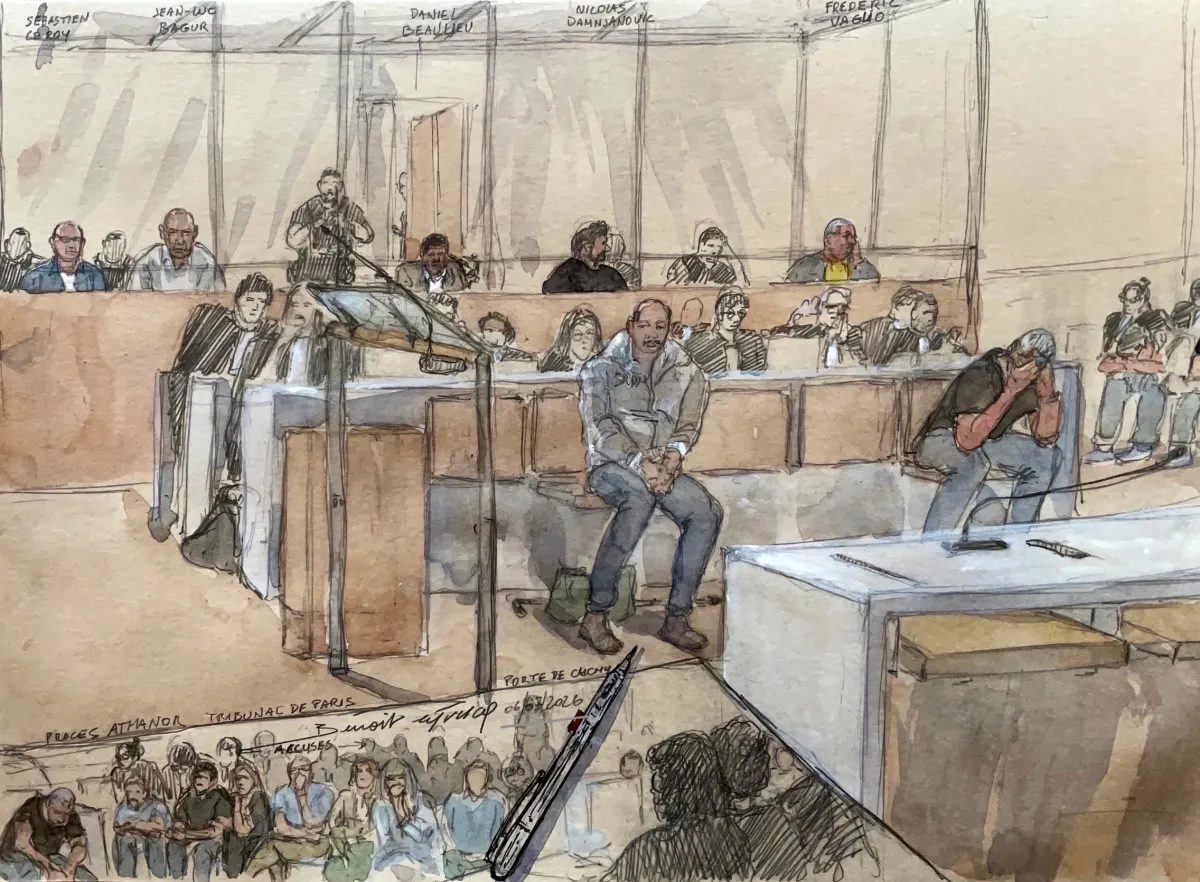
A Paris court has sentenced a former French domestic intelligence officer to 30 years in prison for orchestrating murders and attempted killings through a mafia network. The three-month trial concluded with 17 convictions and five acquittals among the 22 defendants linked to the former Athanor Masonic Lodge in Puteaux.
Daniel Beaulieu, the 72-year-old ringleader, received the maximum sentence handed down on Friday. Now confined to a wheelchair following a suicide attempt, Beaulieu leveraged his state intelligence background and self-professed expertise in magic and mind control to manipulate his accomplices.
Prosecutors detailed how Beaulieu deceived a hired hitman into believing the operations served state interests. This psychological manipulation masked what were ultimately private contracts and score-settling orchestrated by the former freemason.
The network’s targets underscored a disturbing reach into professional and civic spheres. The charges included the murder of a Le Mans racing driver, alongside attempted murders of a business coach and a trade unionist, plus aggravated assault and criminal conspiracy.
Despite hundreds of hours of evidence, the 2019 murder of racing driver Laurent Pasquali remains legally unresolved. Beaulieu confessed to all charges except Pasquali’s murder, and the court acquitted both the man accused of the killing and a married couple alleged to have hired the hitman over a debt.
The remaining convictions reflect the depth of the conspiracy, with sentences ranging from a six-month suspended term to decades behind bars. Former journalist and ex-freemason Frederic Vaglio, 55, was sentenced to 25 years in prison.
Sebastien Leroy, a 36-year-old former security guard who acted as the network’s hitman, received a 27-year sentence. This term exceeded the prosecution’s initial request by five years, signaling the court’s severe view of his operational role.
For European observers, the case lays bare the dangers of clandestine networks operating at the intersection of former state security apparatuses and fringe societies. The trial reveals how psychological manipulation can be weaponized to recruit operatives for violent crimes. It raises broader questions about the oversight of former intelligence personnel and the enduring influence of shadow networks on public and business life.