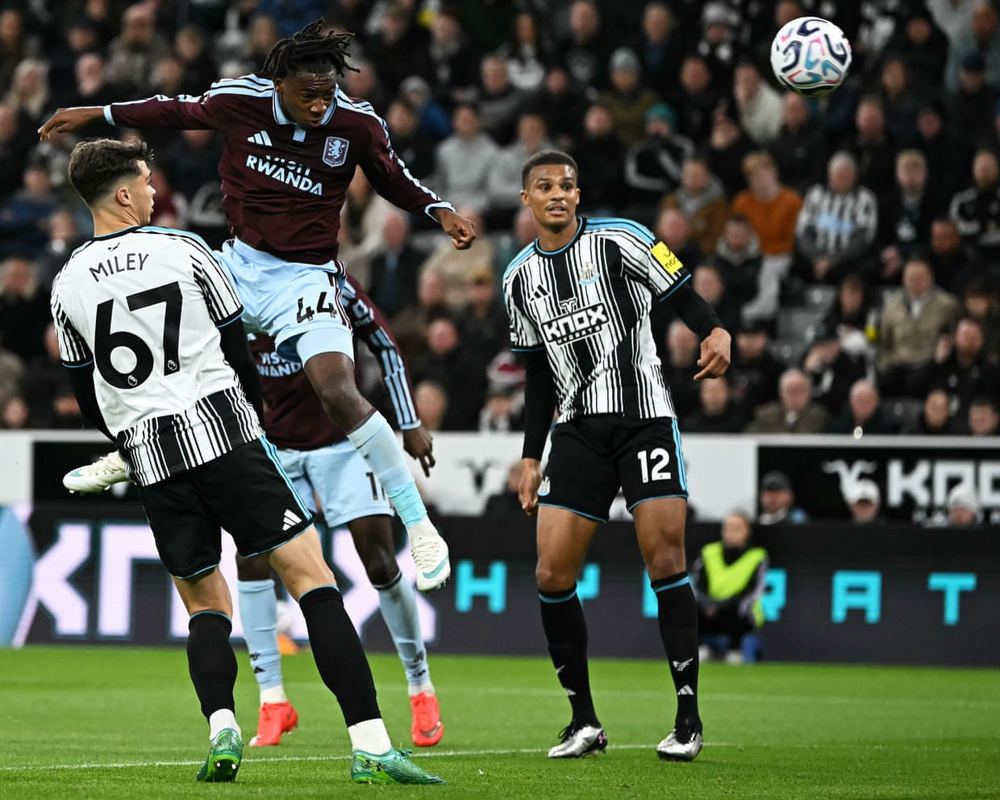
World Cup final pits Argentina attack against Spain defence
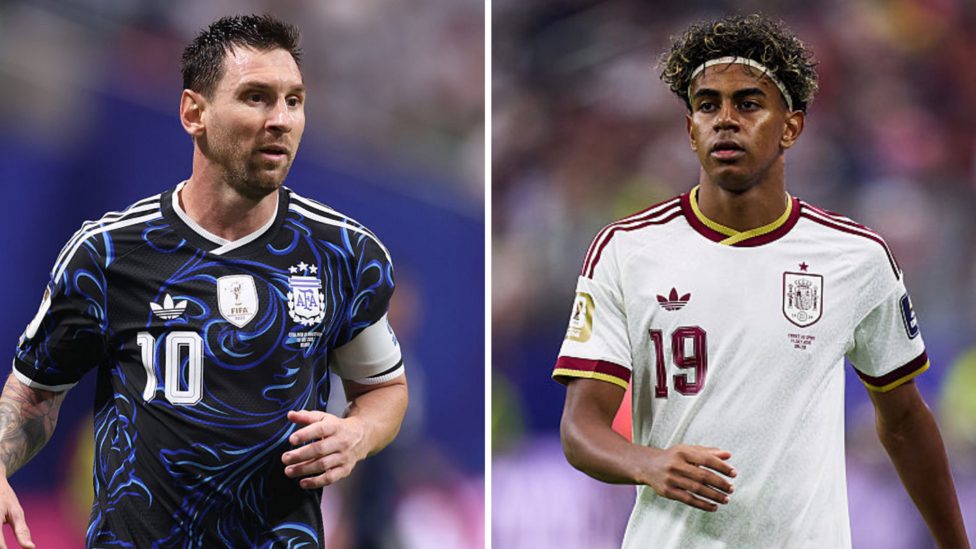
Sunday's World Cup final presents a stark tactical contrast between an Argentina side boasting the tournament's most lethal attack and a Spanish defence that has virtually suffocated opponents.
Sunday's World Cup final pits defending champions Argentina against European title-holders Spain in a clash defined by a stark tactical contrast. Argentina arrive with the tournament's most prolific attack, having scored 19 goals, while Spain boast an elite defence that has conceded just once.
The South Americans have scored at least two goals in each of their last 13 World Cup matches, a streak dating back to their opening loss to Saudi Arabia four years ago. Their finishing has been clinical, particularly from distance, where they have scored five times. Spain, by contrast, have taken more shots but scored six fewer goals, netting 13 times against an expected goals (xG) rating of 13.3.
While Argentina's attack has dominated headlines, Spain's defensive record has been in a league of its own. Luis de la Fuente's side have conceded only a single goal, in their 2-1 quarter-final victory against Belgium. They head into the final with the lowest overall defensive xG at the tournament at 2.1, having suppressed even France's formidable forwards in the semi-finals by refusing to give up high-quality chances.
Argentina may have conceded seven goals, but their underlying defensive numbers suggest they have been unfortunate. Only three sides have faced fewer shots, and their xG against per 90 minutes is second only to Spain.
The final will also test contrasting physical approaches. Spain have run and sprinted more per 90 minutes and rank second only to Marcelo Bielsa's Uruguay for winning possession in the final third. Argentina, having played an extra hour due to two periods of extra time, have actually been outrun by every opponent they have faced, totalling a 17km deficit.
However, having rotated heavily in their final group game against Jordan, Argentina should not suffer a significant fitness disadvantage despite the extra minutes. A key battleground could be in the air. Spain have whipped in crosses far more often overall, but Argentina have recently adopted a similar approach, attempting 51 crosses in their last three games after just 13 in their first four.
Lautaro Martínez most recently scored the winner from a cross against England, though Spain hold the tournament's highest aerial duel success rate and will likely have the advantage. With overall duel success rates closely matched, Argentina retain a slight edge in ground battles. Ultimately, the match may be decided by individual brilliance rather than collective trends.
Neither team relies heavily on dribbling, yet 43 percent of their combined 209 dribble attempts have come from just two players: Spain's Lamine Yamal and Argentina's Lionel Messi. Yamal has attempted the most dribbles of any player at the World Cup, while only Yamal and Brazil's Vinícius Júnior have attempted more than Messi.