Tuchel’s defensive tactics waste England’s World Cup investment
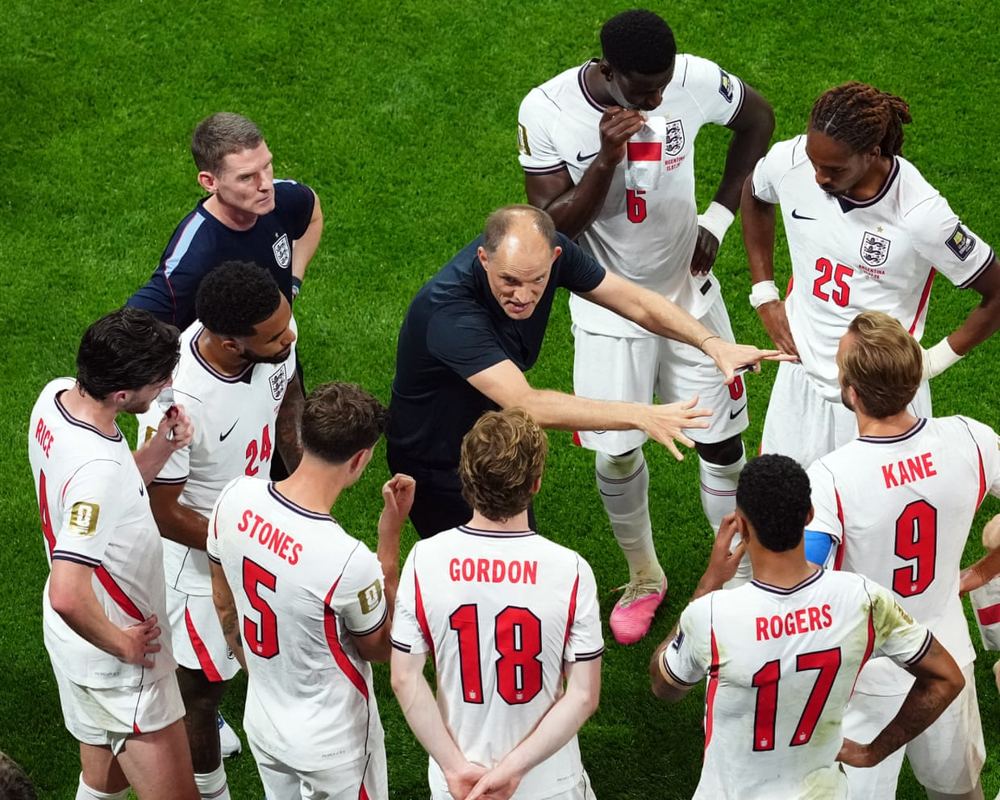
Thomas Tuchel's decision to deploy six defenders after a drinks break squandered England's lead against Argentina, wasting millions in fan spending and throwing a lucrative contract into doubt.
England lost a World Cup semi-final against Argentina after manager Thomas Tuchel dismantled his team's attacking structure in favour of a defensive rearguard. Having taken a 1-0 lead through Anthony Gordon, England surrendered control of the match when Tuchel opted for extreme caution during a second drinks break.
The statistical collapse following that decision was severe. Between the hydration break and Argentina’s second goal, England registered less than 8% possession and completed just five passes in 25 minutes. This passive approach allowed a 39-year-old Lionel Messi, currently playing in Major League Soccer, to take complete control of the game.
The substitutions were particularly puzzling given the resources available on the bench. Tuchel declined to use Bukayo Saka, Ollie Watkins, Kobbie Mainoo, Eberechi Eze, or Noni Madueke to relieve a visibly fatigued Harry Kane. He had also left established talents like Phil Foden, Cole Palmer, Trent Alexander-Arnold, Adam Wharton, and Morgan Gibbs-White at home entirely.
For the millions of supporters who emptied their life savings on tickets, hotels, and travel, the tactical retreat represented a massive squandered financial and emotional investment. Fans had bankrolled a journey that promised to capitalise on a supreme generation of English talent, only to watch the manager refuse to deploy them.
According to emerging reports from the England camp, the players themselves were deeply unhappy with a safety-first approach that denied them any outlets or options. Tuchel later justified his strategy by stating: “Ball possession is not in our DNA like it is in the Spanish DNA or the Argentinian or Brazilian DNA.”
That explanation rings hollow for a squad packed with technically proficient players accustomed to controlling the ball at the highest club levels. The Football Association now has to weigh the severe financial cost of terminating a lucrative long-term contract against the risk of keeping a manager who fundamentally mismanaged his primary asset.
This was not an isolated tactical error but indicative of a broader direction of travel. Tuchel was hired to win hinge moments by unleashing English potential, but his actions suggest a profound lack of faith in the very players he was tasked with developing.