Drones hit Russian retail giant Wildberries as Kyiv repairs Poland ties
Ukrainian drones have struck the warehouses of Russia's largest online retailer, killing seven, while Kyiv moves to mend a crucial diplomatic rift with Poland.
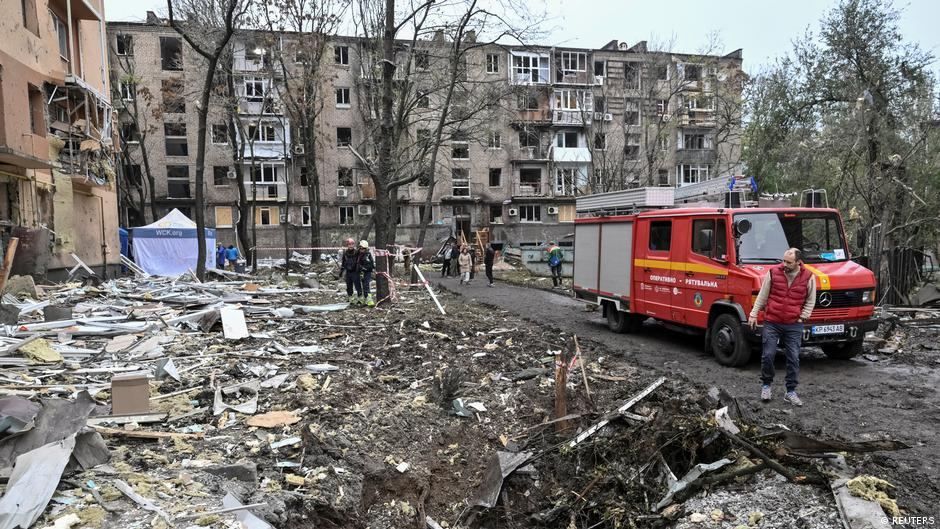
Ukrainian drone attacks have killed seven people and injured dozens at two warehouses belonging to Wildberries, Russia’s largest online retailer. Governor Evgeniy Pervyshov said 25 people were injured in Kotovsk in the Tambov region, while 24 more were hurt in a separate strike on a facility east of Moscow. Wildberries co-founder and CEO Tatyana Kim called it a "terrible night" for Russia and the company.
Wildberries is Russia's closest equivalent to Amazon, operating fulfilment centres across the country. The company, led by Russia's wealthiest woman with an estimated $8.1bn fortune, has faced sanctions from Ukraine, the UK and the EU due to its close ties to the Russian government. The strikes represent a notable escalation in Ukraine's targeting of Russian commercial logistics networks.
The attacks were part of a broader aerial campaign that saw falling debris spark a fire at an oil depot in Noginsk, forcing the evacuation of a nearby maternity hospital. Ukraine’s Security Service also claimed the destruction of a Russian Tu-95 strategic bomber nearly 500 miles inside Russia at the Engels air base.
Diplomatic repair in Warsaw
As military strikes reached deeper into Russian territory, President Volodymyr Zelensky moved to repair a damaging political rift with Poland. The diplomatic crisis began in May when Polish President Karol Nawrocki stripped Zelensky of Poland's top honour over Kyiv's decision to name an army unit after World War Two fighters who killed Poles.
Zelensky chaired a meeting of senior officials on Friday, pledging to expand investigations into the historical killings by the Ukrainian Insurgent Army. "The priorities are clear: All of us in Europe need good neighbourly, equal, and mutually beneficial relations built on respect," Zelensky wrote on X. Polish Prime Minister Donald Tusk welcomed the overture, stating he was ready for a "serious and friendly dialogue".
Internal upheaval on both sides
The diplomatic push comes as Zelensky faces domestic upheaval over a surprise government reshuffle. Thousands of protesters gathered in Kyiv for a second day to demand the dismissal of military commander Oleksandr Syrskyi following the removal of defence minister Mykhailo Fedorov, a tech leader credited with Ukraine's recent battlefield successes.
The internal friction has raised direct warnings about the war's trajectory. "If he stays, we will simply be ineffective," said Andriy, a 27-year-old combat medic protesting outside the presidential office. "We could simply lose this war, we could lose.”
In Russia, authorities are moving to suppress dissent ahead of September's parliamentary election, as the economy grapples with a slowdown and fuel shortages caused by Ukrainian refinery attacks. Blogger Ilya Remeslo, who recently published a viral manifesto withdrawing his support for Vladimir Putin, was detained and faces up to 10 years in prison. Anti-war politician Boris Nadezhdin, designated a "foreign agent" and barred from leaving the country, was also fined.