Frankfurt Terminal 3 Recognised in 2026 Prix Versailles Airports List
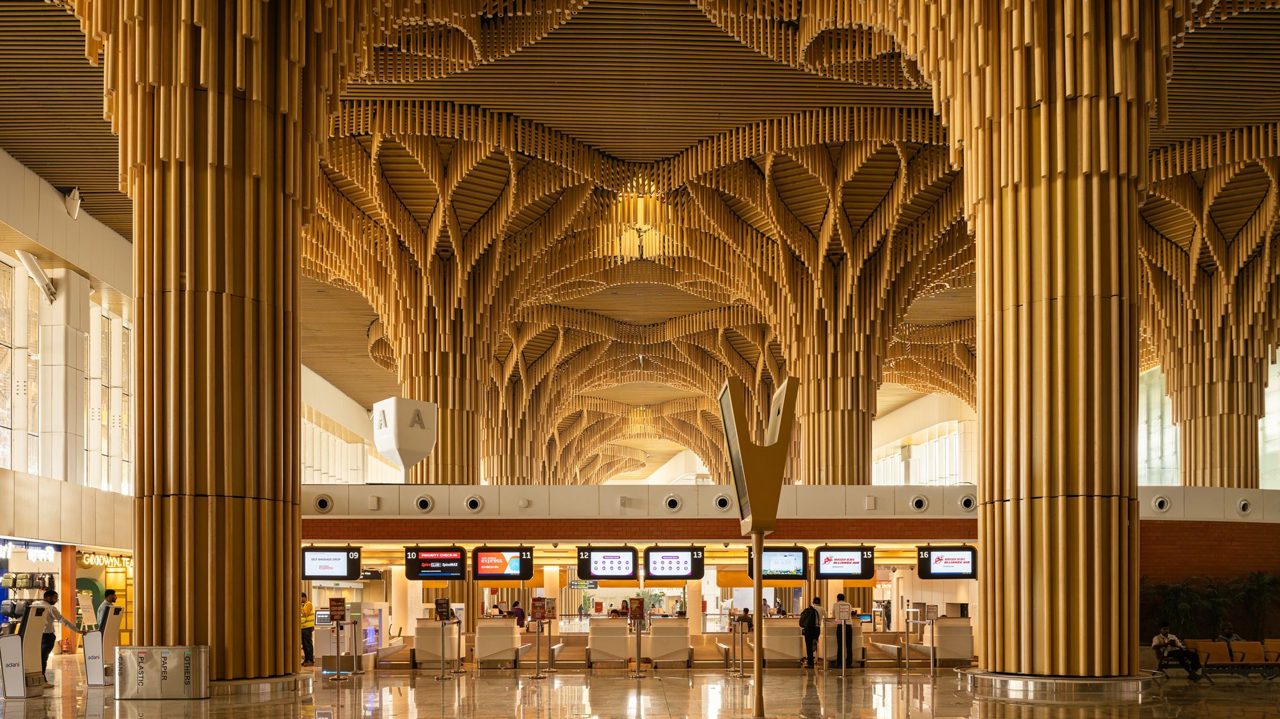
Frankfurt Airport's new Terminal 3 has been named among the world's most beautiful airports, signalling a strategic shift where European infrastructure investments are evolving from pure transit hubs into adaptable, region-defining economic assets.
The 2026 Prix Versailles World’s Most Beautiful Airports List was unveiled in Paris on June 15, naming seven terminals across China, Germany, India, Cambodia, and the United States. Frankfurt Airport’s new Terminal 3 was the sole European project to make the cut.
The recognition points to a broader shift in how major infrastructure projects are conceived and valued. Jérôme Gouadain, Secretary General of the Prix Versailles, said contemporary airports had become "innovative, inescapable hallmarks of their regions and their eras." Rather than functioning solely as transit infrastructure, these buildings are increasingly viewed as economic anchors that attract visitors and define a region's identity.
The European contender
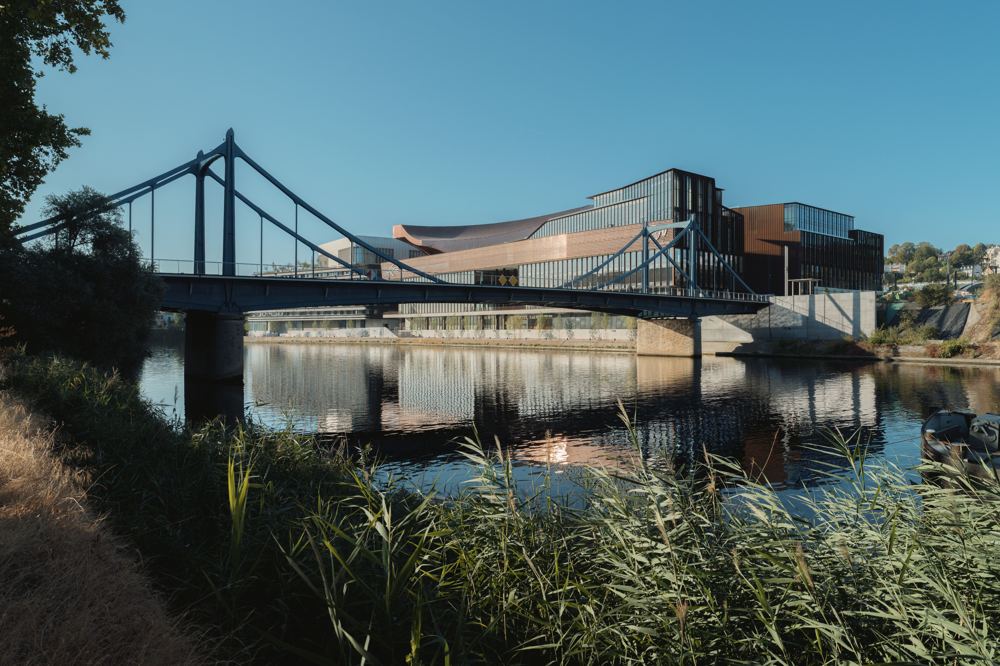
Designed by architect Christoph Mäckler, Frankfurt's Terminal 3 is one of Europe’s largest infrastructure projects. To manage the scale of the building, Mäckler arranged the space around areas resembling streets, plazas, and neighbourhood squares, providing familiar points of orientation for passengers.
From a business and investment perspective, the terminal's most significant feature may be its modularity. Much of the building was designed so that spaces can evolve as passenger numbers, technology, and aviation habits change. This adaptability offers a potential model for European airports facing volatile demand and the high long-term costs of retrofitting rigid concrete structures.
Beyond transit
The rest of the 2026 list illustrates how global competitors are approaching the same infrastructure challenge. Winners include Guangzhou’s flower-inspired Terminal 3, Navi Mumbai’s lotus-shaped canopy designed by Zaha Hadid Architects, and a Cambodian terminal by Foster + Partners that uses traditional basketry-inspired ceilings to reduce the need for artificial lighting and mechanical ventilation.
Gouadain noted that modern terminals must balance the demands of fast, high-volume travel with a meaningful sense of place. "They are innovative, because they resolve the apparent conflict between the increasing frequency of travel and the need for speed... on the one hand and, on the other, the singularity of a form of tourism that aims to be accessible and that values people’s time in places that, in this day and age, can no longer be described as mere ‘transfer’ spaces," he said.
He added that airports leave a lasting environmental footprint while becoming "attractive settings, emblems of economic, cultural, and social dynamics that will continue to shape the societies of tomorrow, draw them together and unify them.”
Three of the seven selected airports will go on to receive additional world titles for interior or exterior design later this year.