How Meticulous Production Turned Joy Division’s Final Single into a Lasting Asset
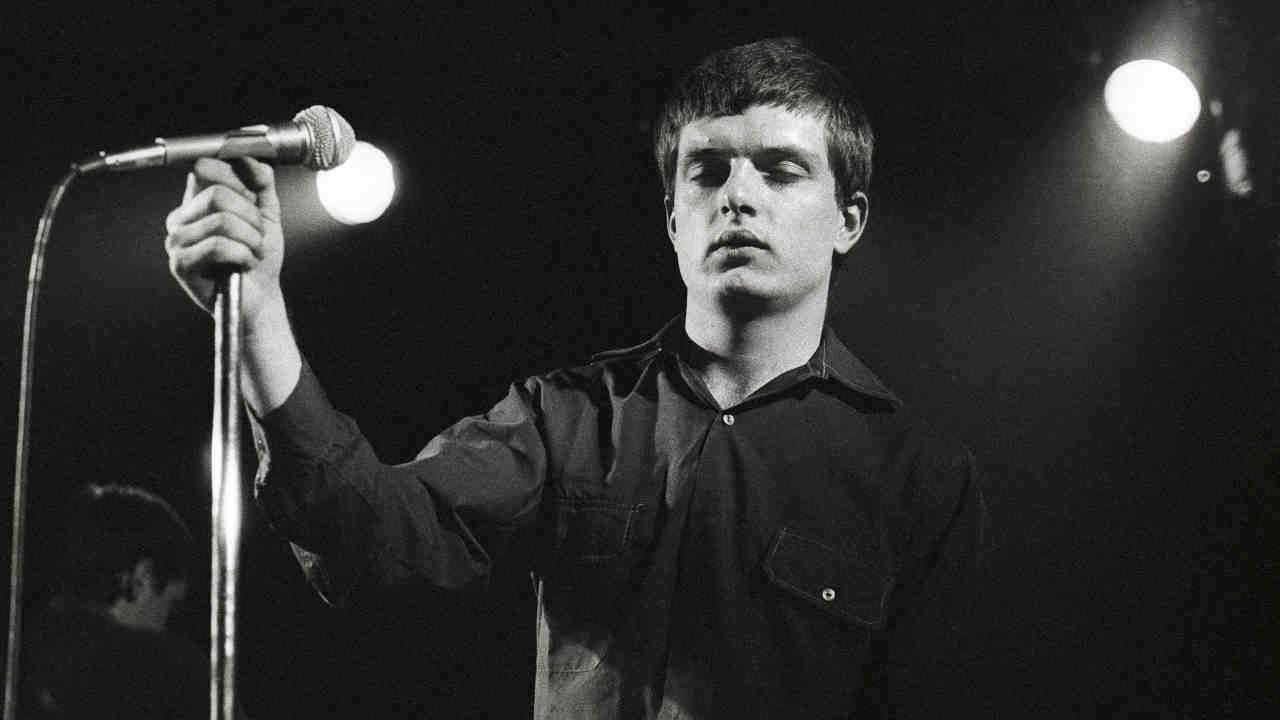
The posthumous release of Love Will Tear Us Apart in 1980 not only secured Joy Division’s first Top 20 hit but also demonstrated how visionary production could transform regional post-punk into enduring intellectual property.
In June 1980, a month after the suicide of 23-year-old frontman Ian Curtis, Joy Division released Love Will Tear Us Apart as a standalone single. The track subsequently became the post-industrial Manchester band’s first Top 20 hit in the UK.
This posthumous commercial breakthrough did more than cement the band’s cultural footprint. It generated the critical financial and reputational capital that allowed surviving members to reconvene as New Order, fundamentally shaping the future of the European independent music economy.
The song’s market viability was not immediately obvious to the band itself. Bassist Peter Hook noted the track was a fragile, poppy contrast to their earlier, angsty work like Transmission, admitting the group initially did not consider it their greatest achievement.
The decisive factor in creating a lasting asset was producer Martin Hannett. He systematically replaced Bernard Sumner’s abrasive guitar with svelte keyboards to highlight Curtis’s baritone, a subtle direction the young punk band initially resisted.
Hannett’s obsessive refinement process was central to the track’s long-term value. He remixed the song four or five times across different studios, including Penine Studios in Oldham in January 1980, recognizing its potential for longevity when the band saw only a departure from their core sound.
Factory Records head Tony Wilson also played a pivotal role in shaping the final product. Wilson reportedly gifted Curtis Frank Sinatra albums to influence his vocal delivery, demonstrating how label management actively curated the artistic direction that would later define the catalog’s commercial appeal.
The commercial success arrived alongside profound personal tragedy. Curtis, who guarded his struggles with epilepsy and a crumbling marriage to his wife Deborah, took his own life in May 1980, leaving the song to serve as both an epitaph and the band’s most durable intellectual property.
Today, the track remains a case study in how meticulous production can elevate raw regional talent into a perpetual cultural and economic asset. As Hook observed, Hannett provided a depth that 20-year-old kids could not have achieved alone, securing the song’s permanent place in the industry's catalog.