England faces striker void as academy system stops producing number nines
England’s World Cup semi-final defeat to Argentina has exposed a structural flaw in the domestic game: a production line that has stopped manufacturing elite strikers, leaving the national team facing an uncertain tactical future.
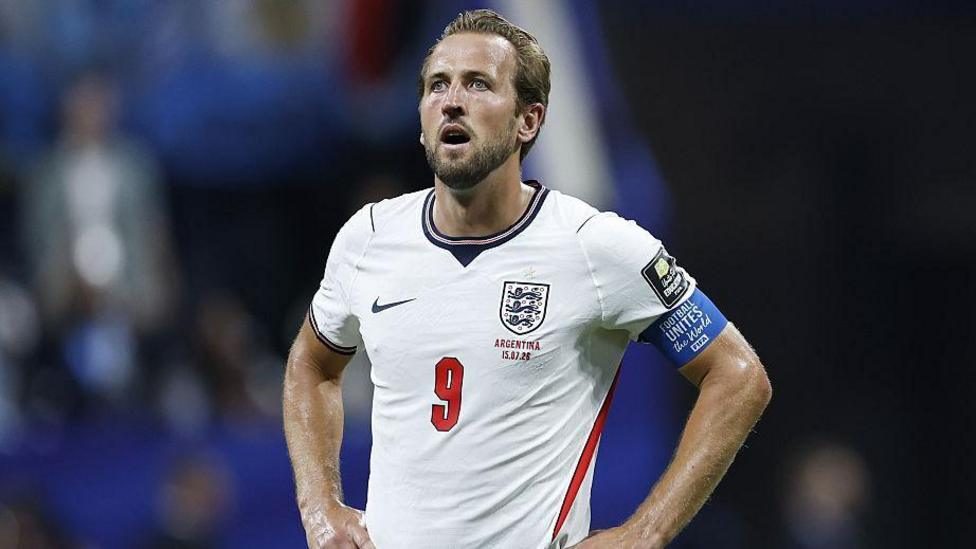
"It's too early to talk about that," said Harry Kane when asked if he would play in the 2030 World Cup. The England captain's comments came minutes after a crushing 2-1 semi-final defeat to Argentina in Atlanta. At nearly 37 by the time of the next tournament, Saturday's bronze medal match against France in Miami is realistically the final act of his World Cup career.
Manager Thomas Tuchel’s reliance on Kane during this tournament highlighted the severity of the impending void. In seven matches, the striker played almost every minute. He was substituted only twice, with six minutes left against Panama and one minute remaining against Mexico. Ollie Watkins played just six minutes in total, while Ivan Toney featured only in stoppage time against Argentina.
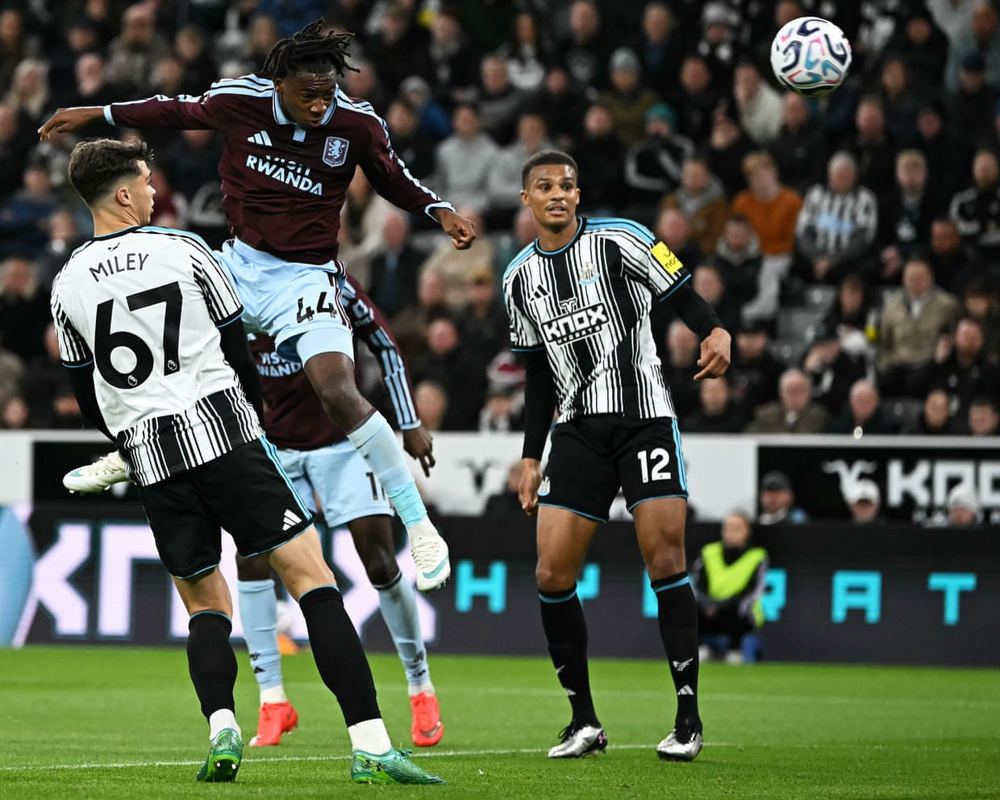
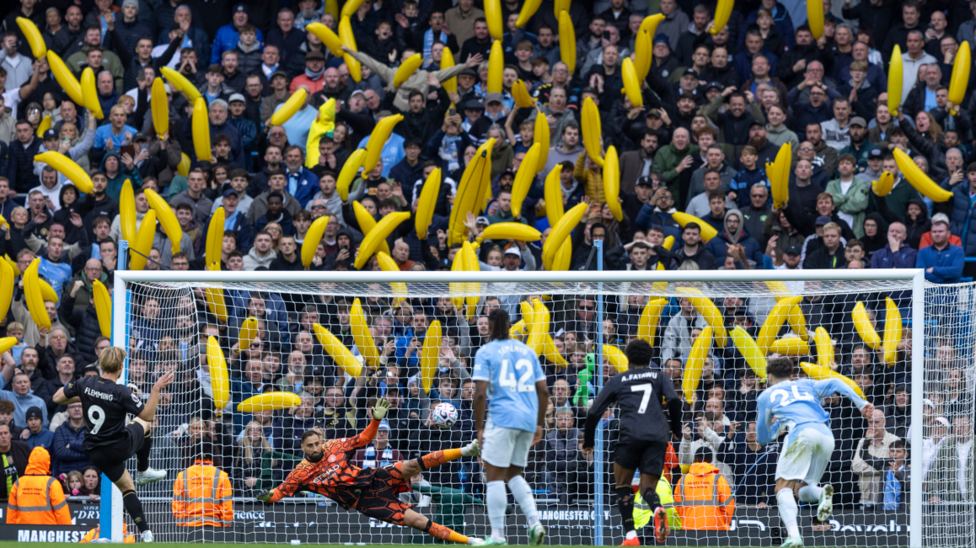
This over-reliance reflects a troubling structural trend in English football economics. A new Premier League record low was set in the 2024-25 season when just three English forwards scored 10 or more league goals. That exact benchmark was matched the following season by Watkins, Dominic Calvert-Lewin and 35-year-old Danny Welbeck.
The transfer market for young English strikers is currently yielding poor returns on significant investments. Chelsea signed Liam Delap for £30m after his prolific time at Ipswich Town, but he managed only one league goal in his first season. Eddie Nketiah left Arsenal for Crystal Palace yet has scored just five Premier League goals in two seasons.
The root cause is an academy system that now prioritises technical wide players and number 10s over traditional goal scorers. Highly rated prospects like Max Dowman and Rio Ngumoha operate in these wider roles. Meanwhile, academy strikers with exceptional youth records, such as Charlie McNeill, routinely fail to make the senior level, with McNeill now playing in League One.
Without a clear successor, England may be forced into a tactical shift. Tuchel tested a false nine system with Phil Foden in a March friendly against Uruguay, but the experiment failed so decisively that Foden missed the World Cup squad entirely.
Anthony Gordon, who joined Barcelona this summer, remains a potential alternative after winning the European Under-21 Championship Player of the Tournament as a false nine in 2023. Unless an out-and-out striker like 18-year-old Shim Mheuka accelerates his development, England will have to abandon the expectation of fielding a traditional number nine.