MetLife final puts Fifa's business logic ahead of fan experience
Spain and Argentina will contest the World Cup final at the widely criticised MetLife Stadium, a venue chosen by Fifa for its media and sponsor value rather than its footballing facilities.
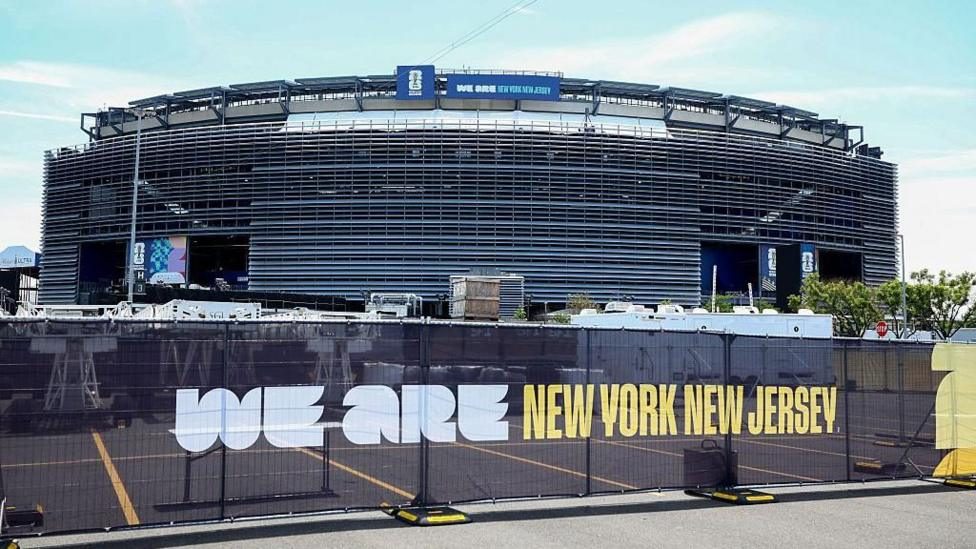
Spain and Argentina will meet in Sunday’s World Cup final at MetLife Stadium in New Jersey, a $1.6bn venue that has drawn persistent criticism from fans and players throughout the tournament.
The choice of stadium highlights how Fifa’s commercial strategy can overshadow the actual sporting conditions. The open-air arena lacks the climate control seen in modern American venues and sits in a congested 750-acre marshland five miles west of Manhattan.
"It may not be the most romantic football choice, but as a global business decision, it makes a lot of sense," says Kuba Kowalski, editor in chief of football architecture website StadiumDB.com. He notes the location secures a huge premium market for sponsors and broadcasters, while keeping kickoff at a time convenient for both European and American audiences.
Alex Lasry, chief executive of the Fifa World Cup 26 NYNJ Host Committee, argues the surrounding city is the real draw. "What Fifa was looking for was having the biggest stars on the biggest stage," Lasry says, pointing to New York's status as a global media and economic hub.
The reality on the ground has been less glamorous for attendees. Opened in 2010, the 82,500-seat stadium is difficult to reach without a car, and train tickets cost $98. Long-time New Jersey sports columnist Steve Politi summarised local sentiment by calling the venue "blah" and noting its design aimed to satisfy too many competing demands.
European teams have also struggled with the playing surface. After France beat Senegal, coach Didier Deschamps described the pitch as "special", adding: "I think it's probably concrete underneath." Midfielder Adrien Rabiot said the surface felt hard and rigid, resembling artificial turf.
Brazil's Vinicius Jr noted the dry grass made the game sluggish and disrupted his team's rhythm. Stadium staff have repeatedly turned on sprinklers during hydration breaks to keep the newly installed natural grass alive.
With rain forecast around the final, the lack of a retractable roof adds further uncertainty. Yet Fifa insists the pitch is performing as intended, and the host committee points to logistical successes, noting 97% of fans are scanned in before kick-off and the site clears within two and a half hours.
"When it is full and when people are engaged and when the game is good, it really is a noisy place, it can rock," Politi says.