Tariff gap drives 285,000 Chinese car sales in UK market
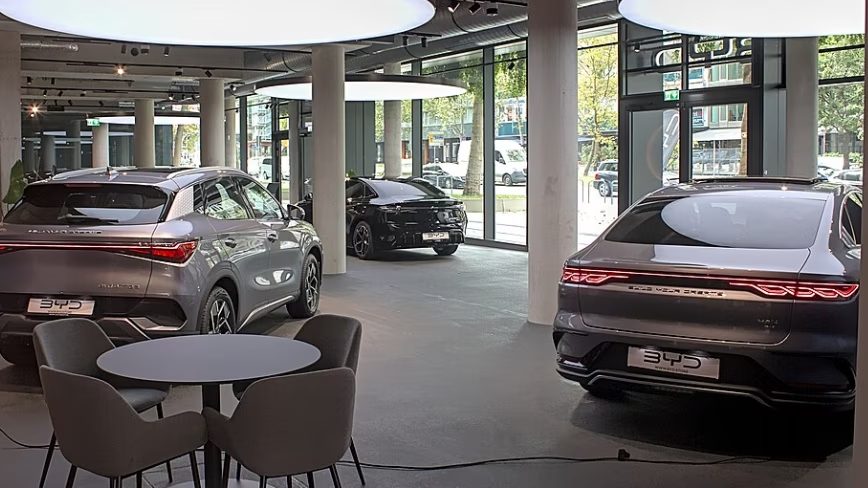
Britain's refusal to tax Chinese plug-in hybrids has made it the easiest major Western market for automakers to enter, pushing their market share to 13 percent.
British buyers purchased 285,000 Chinese-made vehicles in 2025, a staggering increase from just 384 a decade earlier. Chinese brands now hold roughly 13 percent of new UK car registrations, double their share from a year ago. The growth is accelerating, with BYD alone selling over 37,000 units in the first half of 2026, nearly doubling its previous pace.
The primary driver behind this surge is a transatlantic tariff gap. The European Union levies countervailing duties of up to 35.3 percent on Chinese battery-electric vehicles and is preparing additional tariffs on plug-in hybrids. The United States charges a flat 100 percent. Britain applies no additional tariff on Chinese plug-in hybrids, making it the easiest major Western market for these manufacturers to enter at scale.
This policy divergence creates a stark price advantage on dealer forecourts. A German-built Volkswagen Tiguan plug-in hybrid retails in the UK for just over £43,000. The comparable Chinese-built BYD Seal U costs almost £10,000 less. Buyers at a Geely dealership in Maidstone reported that the value proposition was obvious, pointing to better equipment at a lower price.
While Canada opened its market to Chinese electric vehicles in January, it did so with a strict 49,000-unit cap. The British approach remains more permissive, operating without quotas or additional duties. As Will Roberts of automotive consultancy Benchmark observed, the UK represents a sizable market transitioning to electrification that has a distinct void for cheaper vehicles to fill.
Chinese automakers are highly motivated to find new buyers abroad. Domestic retail sales in China fell 26 percent in the first half of 2026, while exports surged 72 percent, according to the China Association of Automobile Manufacturers. Former GM board member Jon McNeill noted that Chinese manufacturers are arriving in Europe with technology that outpaces what European manufacturers currently offer.
Manufacturers are already adapting their European strategies to navigate trade barriers. Geely has halted construction of new factories and is instead utilizing existing Volvo plants to absorb overcapacity and sidestep EU tariffs. However, the UK's open-door policy may not survive this success. If Chinese market share continues its rapid climb, political pressure to align British tariff policy with Brussels will inevitably follow.