Extreme weather tests Europe's festival industry as cancellations mount
A spate of weather-driven cancellations at major European events is forcing the live music sector to adapt to what industry leaders call a permanent shift in operating conditions.
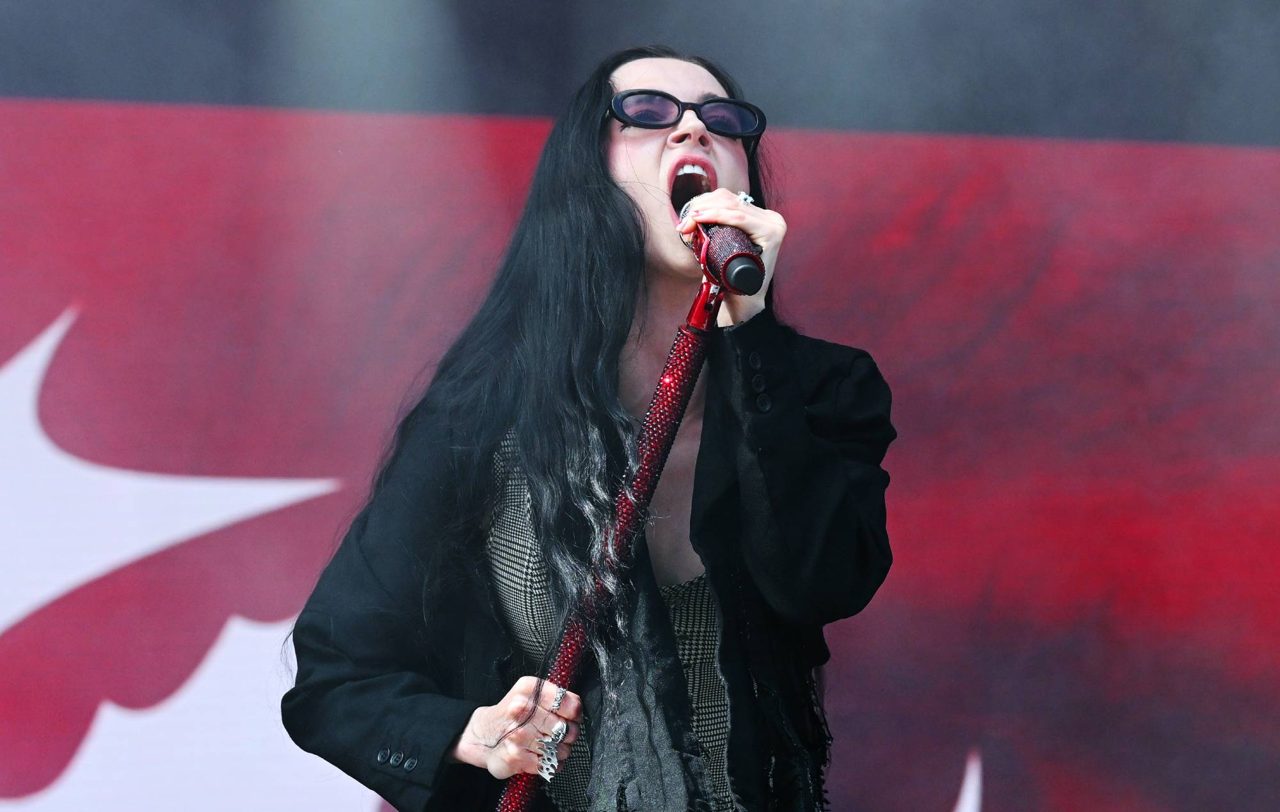
Severe weather has forced the cancellation of major performances across Europe this summer, throwing the operational resilience of the continent's live music sector into sharp relief. Thunderstorms prompted the cancellation of Katy Perry’s headline set at Werchter Boutique in Belgium, while Dutch authorities shuttered Defqon.1 under a "code red" extreme heat warning.
In June, the opening day of Primavera Sound in Barcelona was halted by heavy rainfall and winds reaching 80km per hour. Organisers scrapped sets by Massive Attack, Doja Cat, Bad Gyal, Alex G and Mac DeMarco, citing an inability to guarantee the safety of audiences, artists and staff. Massive Attack noted they were “devastated” after preparing a specific show, but acknowledged that “no one can control severe weather”.
The disruption is not confined to Europe. American singer Poppy missed her scheduled set at the Upheaval Festival in Michigan on July 17 because Canadian wildfire smoke pushed the Air Quality Index above 350. Under the US system, readings above 300 are classified as "hazardous" and pose a health risk to everyone. Her backing band performed the set instrumentally wearing N95 respirators while she stayed offstage.
Poppy explained to fans that she "was unable to breathe in those conditions", though she applauded those who braved the hazardous air. Upheaval organisers had insisted the event would proceed, telling attendees to pace themselves and claiming the air quality would improve. This marked the second time this summer that extreme conditions forced Poppy to abandon a festival performance, following a lightning protocol cut at Welcome To Rockville in Florida in May.
For festival organisers, these events represent a growing financial and logistical threat. Events run on tight margins, and mass cancellations or shortened days can jeopardise revenue, trigger insurance claims, and strain relationships with ticketholders and sponsors. The need to account for extreme conditions is rapidly becoming a primary planning constraint rather than an outlier.
John Rostron, chief executive of the Association Of Independent Festivals, said the sector must treat these events as a permanent fixture. “This is a new thing we have to learn from and plan for in the future because it’s here to stay,” he said. “This is the new normal.”