World Cup final pits Spain's federation model against Argentina's Messi-driven passion
Spain face Argentina in Sunday's World Cup final, a match that highlights the growing dominance of federation-developed coaching structures over expensive hired managers.
Spain and Argentina will contest the World Cup final on Sunday, bringing a decisive tactical clash between sustained possession and concentrated physicality. The match is a study in contrasting football philosophies and the organizational structures behind them.
For European football, the final validates a decisive shift away from hiring high-profile club managers. Spain's Luis de la Fuente and Argentina's Lionel Scaloni both rose through their national federations' youth ranks. This pathway has proven vastly more effective than the approach taken by wealthy nations that hired external stars like Thomas Tuchel and Carlo Ancelotti, only to see them fail at this tournament.
Spain has averaged 64% possession, relying on a patient, reinvigorated juego de posición model. This approach represents the culmination of a two-decade revolution that abandoned the chaotic orthodoxy in favor of technical control, yielding three Euros and a World Cup since 2008. De la Fuente has accelerated this by leveraging his deep ties to the national setup, trusting a manager who has known his players since their youth careers.
Argentina plans to test that system’s predictability by disrupting the Spanish midfield. Analyst Matías Manna emphasized the tactical importance of Leandro Paredes. “If a team is built around passing, it’s important to have a holder like Paredes who interacts well with the inside players and the No 10,” he said. “He’s the Argentinian who best finds Messi between the lines.”
The defining confrontation will likely focus on Rodri, the metronome of the Spanish side. Argentina may use Alexis Mac Allister or Enzo Fernández to man-mark him, preventing Spain from dictating tempo. “You can’t analyse the game individually. The game is in the relationships between players,” Manna added.
Injuries complicate Spain's usual counter-attacking threat. Nico Williams is limited to substitute duties, and Lamine Yamal is still recovering from a hamstring issue, leaving the side without the wide pace that Cape Verde and Egypt used to expose Argentina.
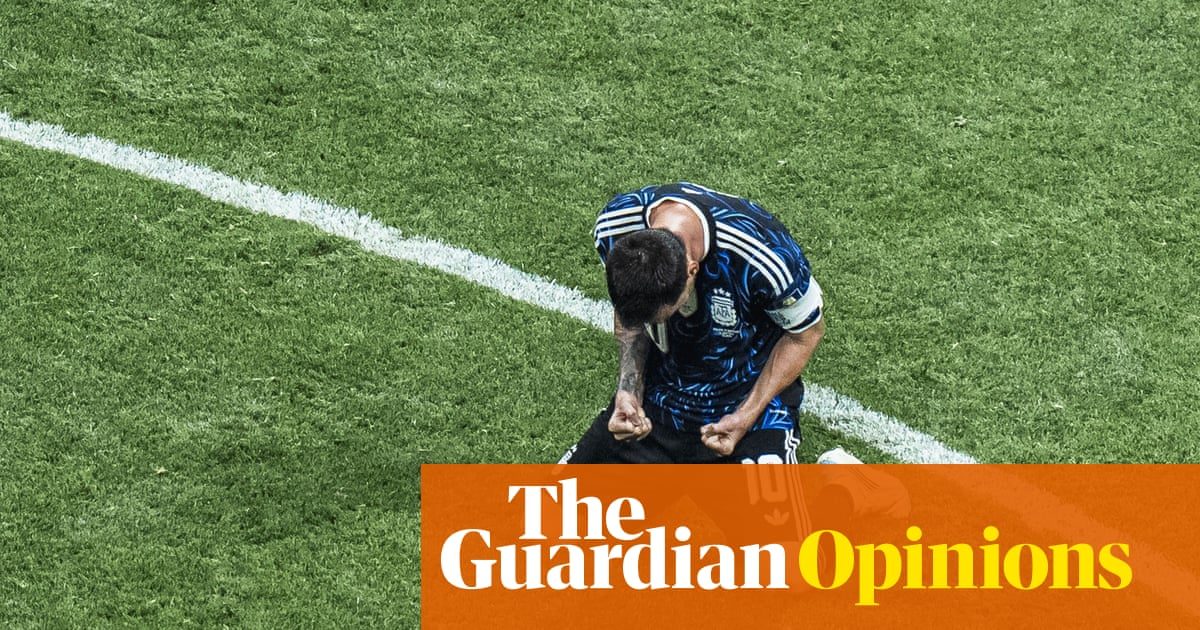
The final pits a methodical European process against an emotional South American surge. If Spain takes an early lead, their ball retention could efficiently suffocate the game. But if it remains scoreless, Argentina’s collective drive to crown Lionel Messi may prove difficult for rationalism to contain.