Spain battles two major wildfires as Zaragoza blaze becomes country's largest of 2026
Two uncontrolled wildfires in Spain have destroyed thousands of hectares and forced hundreds to evacuate, straining emergency resources and highlighting the growing public safety and economic toll of extreme weather on the Iberian Peninsula.
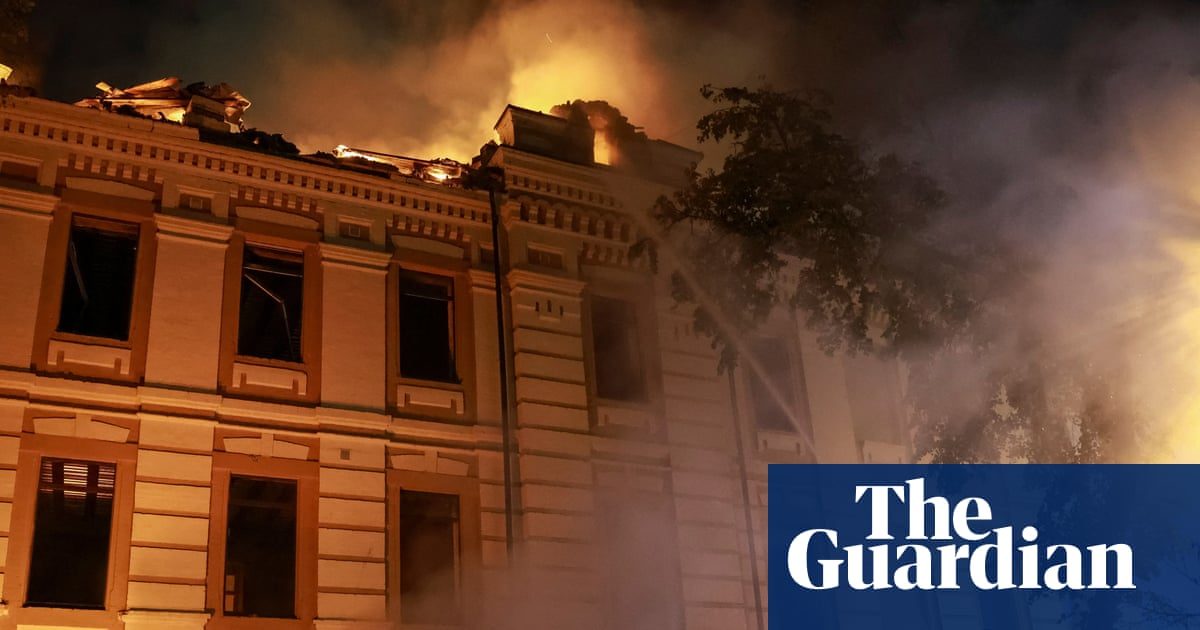
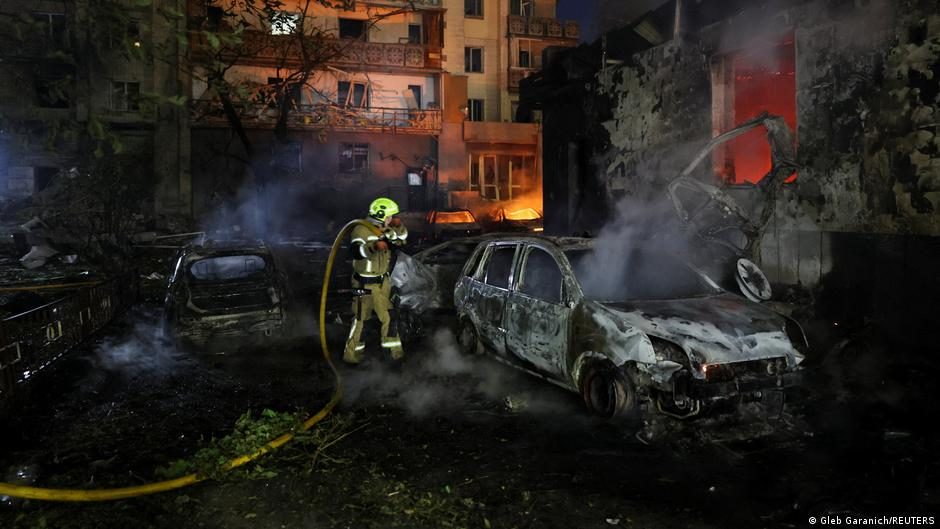
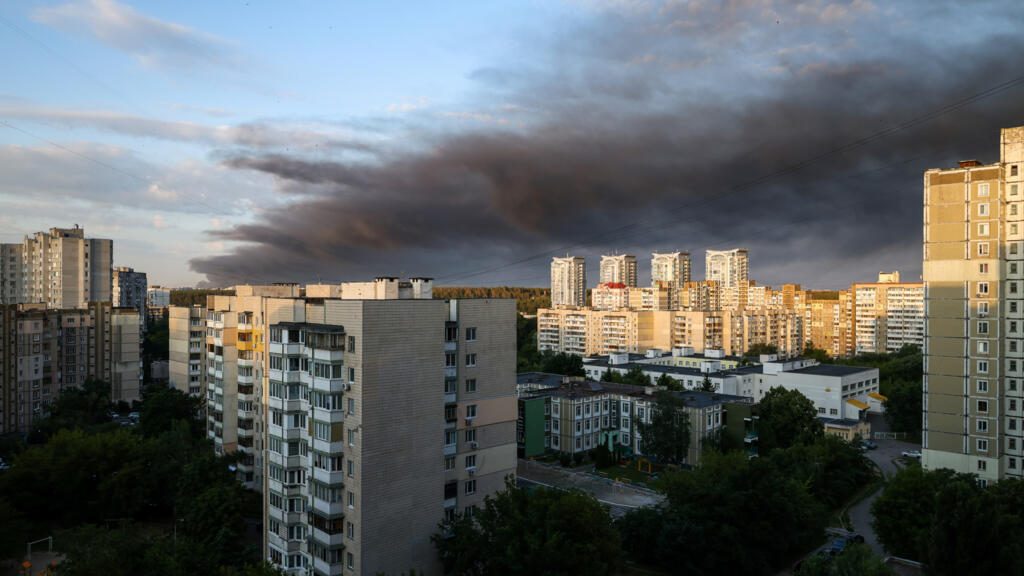
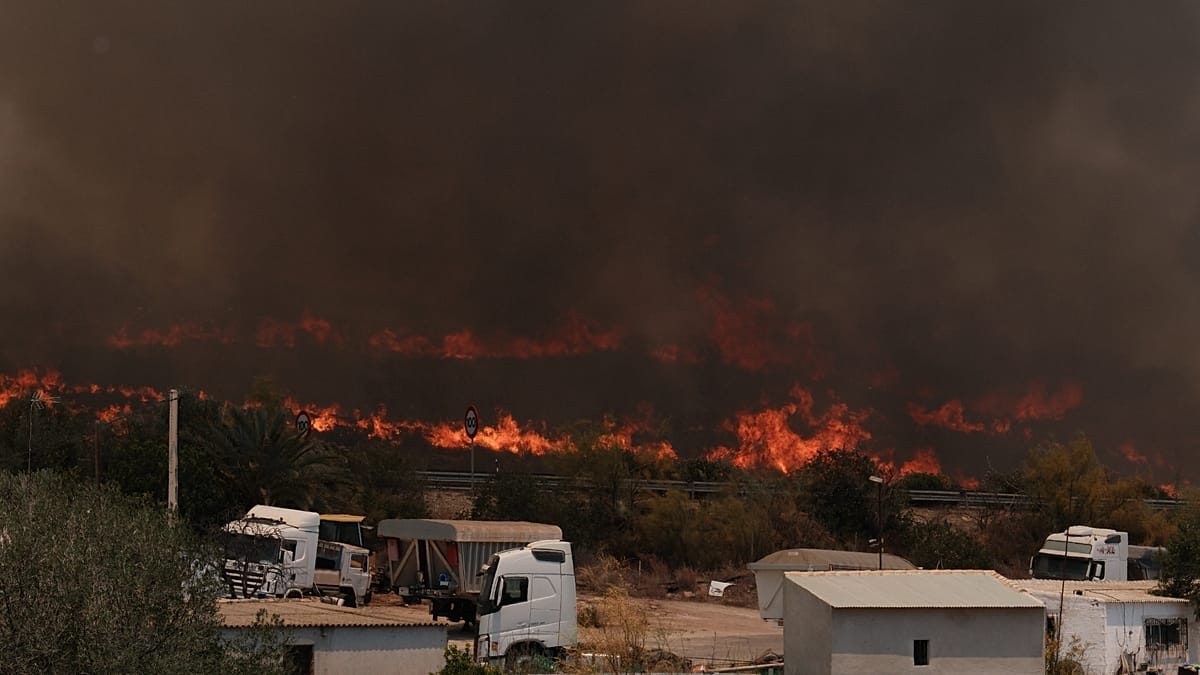
Emergency services in Spain remain fully mobilised as two major wildfires continue to burn out of control in the regions of Aragon and Castilla-La Mancha. The blazes have already destroyed thousands of hectares of land and forced hundreds of residents to flee their homes.
The fire in Zaragoza, which originated on Wednesday in Orés, has escalated into the most destructive forest fire on Spanish soil this year. Preliminary assessments indicate the blaze has consumed approximately 15,400 hectares and established a perimeter spanning roughly 60 kilometres.
Firefighting crews successfully halted the flames at the edge of Luesia, sparing the town centre from destruction. However, the active front is now advancing toward the municipality of Biota, raising fresh alarms for local communities.
The unpredictable shift of winds continues to dictate the fire’s trajectory across Orés, Asín, Malpica de Arba, and Uncastillo, as well as the Navarre town of Petilla de Aragón. Authorities warn that these volatile conditions will likely govern the situation in the coming days.
In the Sierra Norte area of Guadalajara, a separate fire has prompted the evacuation of 529 people across eleven municipalities, including La Mierla. This second blaze has already laid waste to several thousand hectares of territory.
Emergency teams are currently concentrating their efforts on the flank moving toward Semillas to protect homes before the fire reaches built-up areas. Civil Protection continues to issue ES-Alert warnings to nearby mobile phones, urging residents to avoid the fire perimeter while local roads remain closed.
Both firefighting operations are severely hampered by a combination of high temperatures, erratic winds and steep terrain. These adverse conditions are complicating the work of ground crews and deployed aircraft alike, stretching regional emergency budgets and delaying containment.
The sustained mobilisation of emergency services underscores the mounting public safety and economic burden of extreme weather events in southern Europe. Prolonged firefighting efforts drain regional budgets, while the destruction of forested land threatens local agricultural output and rural tourism revenue. As fire perimeters remain uncontained, the immediate focus stays on protecting lives, though the long-term ecological and financial costs to these regions will be substantial.