Chinese brands build AI-first smartphones to escape market slump
ZTE, StepFun and Honor are launching smartphones with deeply integrated AI agents to revive consumer demand in a falling market, directly challenging Apple's upcoming push into China.
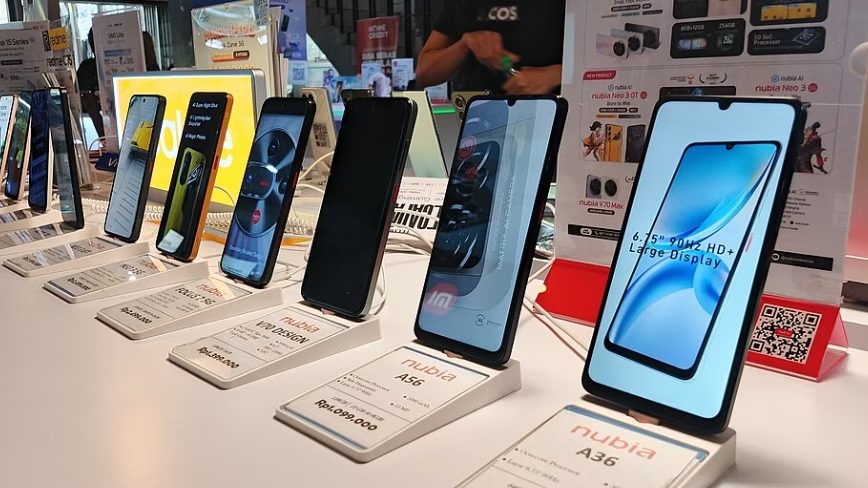
At the World AI Conference in Shanghai this week, ZTE unveiled the NaviX Ultra and declared it the first agentic AI smartphone. The device, sold under ZTE’s Nubia brand, runs ByteDance’s Doubao AI agent and allows users to trigger tasks via voice or a dedicated physical button. Prototyped in December at 3,499 yuan ($516) and available in four colours, an initial run of 30,000 units sold out within hours, causing the resale price to double.
ZTE is not acting alone. StepFun unveiled a device running its own operating system with a built-in agent called Amoo, while Honor is preparing to ship devices later this year featuring an agent built with Alibaba. Instead of adding isolated artificial intelligence features to existing software, these companies are embedding an agentic layer into the operating system itself to execute tasks autonomously across multiple applications.
This hardware shift is driven by economic necessity rather than just innovation. Chinese smartphone shipments have dropped for five straight quarters as a memory crisis has simultaneously driven up component costs and suppressed consumer spending. For global investors tracking the sector, the implication is clear: the traditional budget smartphone model is collapsing under hardware inflation.
Looking ahead, IDC expects the global smartphone market to post its steepest annual decline on record in 2026. Manufacturers that sell budget devices with thin profit margins are bearing the brunt of this downturn. Arthur Guo of IDC noted that AI devices could account for more than half of China’s smartphone market this year, making the technology a crucial escape route for squeezed brands.
The launches also set the stage for a direct confrontation with Apple, which recently secured Beijing’s approval to deploy Apple Intelligence in China through partnerships with Alibaba and Baidu. “In terms of AI smart devices, we are ahead of Apple,” Ni said on Weibo in June.
The ultimate test is whether the promise of an AI agent that can manage bookings and edit photos will actually convince consumers to replace their current devices by the end of the year. The same artificial intelligence boom that is crushing the cheap smartphone is now providing the rationale for an entirely new class of device. If successful, this AI-first architecture could permanently alter how operating systems are built, forcing a response from Western competitors.