FIFA reviews World Cup hydration breaks amid commercialisation fears
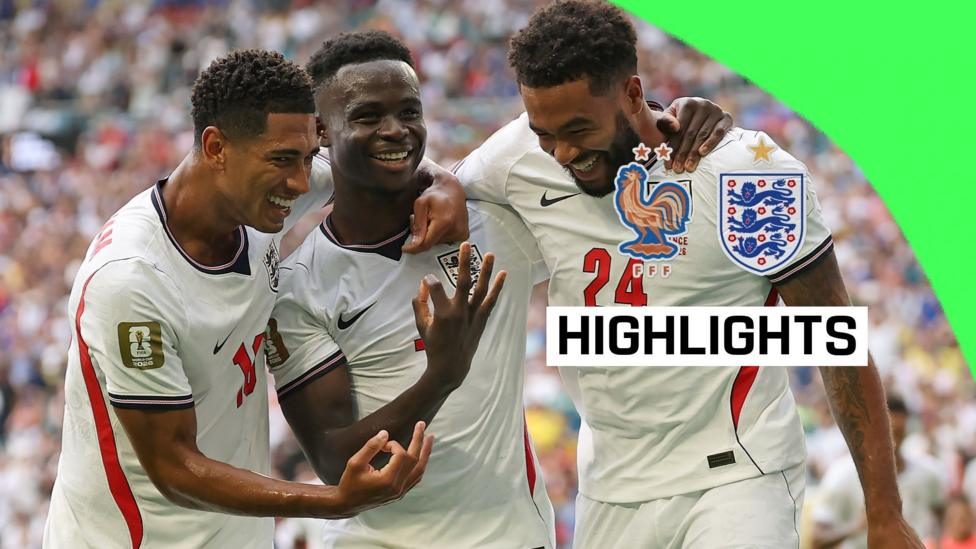
FIFA will review the mandatory hydration breaks introduced at the 2026 World Cup after widespread fan backlash and concerns that the stoppages are being used to inflate broadcasting revenues.
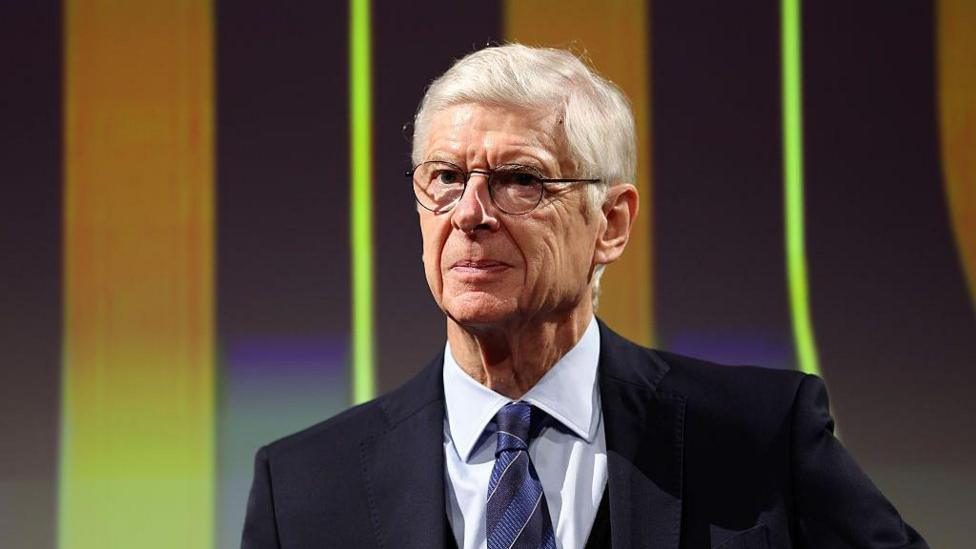
FIFA will assess the impact of mandatory three-minute hydration breaks at the 2026 World Cup following significant pushback from supporters. Arsene Wenger, FIFA's head of global football development, acknowledged that the policy was unpopular and promised an analysis after the tournament concludes.
The stoppages, introduced as a commitment to player welfare but applied to all matches in the United States, Mexico, and Canada regardless of weather, have effectively functioned as commercial timeouts. Broadcasters have capitalised on the pauses to air advertisements, with a 30-second slot on US network Fox Sports costing between $200,000 and $300,000. During matches involving the US team or the later tournament stages, that figure climbed to $750,000.
As the competition progressed, crowds frequently booed the interruptions, reflecting growing frustration with the stoppages. For coaching staff, the breaks served an unintended tactical purpose, providing a formal opportunity to run through strategic changes with players. England manager Thomas Tuchel criticised the pauses, arguing they "interrupt and change the identity of a football match".
In contrast, Spain coach Luis de la Fuente supported the measure, stating: "I am always interested in the health of my players. I think it's the right measure - a pause, freshen up and continue."
The controversy underscores a cultural and commercial divide in how the sport is monetised across different markets. European football's governing body, Uefa, has firmly ruled out adopting similar breaks for its competitions, preserving the traditional flow of play. Wenger noted that the interruptions were particularly unpopular in covered stadiums where extreme heat was not a factor. "It didn't look to me that it changed the results but we are here to serve people that watch football and we will come to conclusions afterwards," he added.
Despite the criticism over the stoppages, Wenger defended the broader structural changes to the tournament. He declared the expansion from 32 to 48 teams an unqualified success. "It was questioned before it started but we found it was ethically needed to give a chance to more teams," he said. "I am convinced it was the right decision and it was a great success."