Kyiv hit by record Russian ballistic missile strike as Patriot talks lag
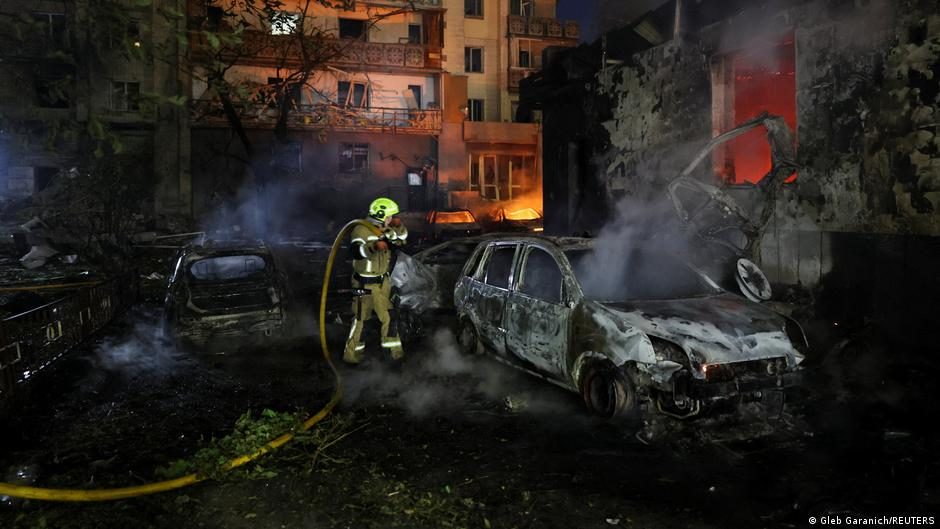
Russia's largest-ever ballistic missile attack on Kyiv exposes critical air defence gaps that European arms makers and investors are watching as domestic Patriot production plans remain uncertain.
Russia launched its largest single ballistic missile attack on Kyiv since the full-scale invasion began. The overnight barrage involved around four dozen projectiles that overwhelmed existing Ukrainian air defences.
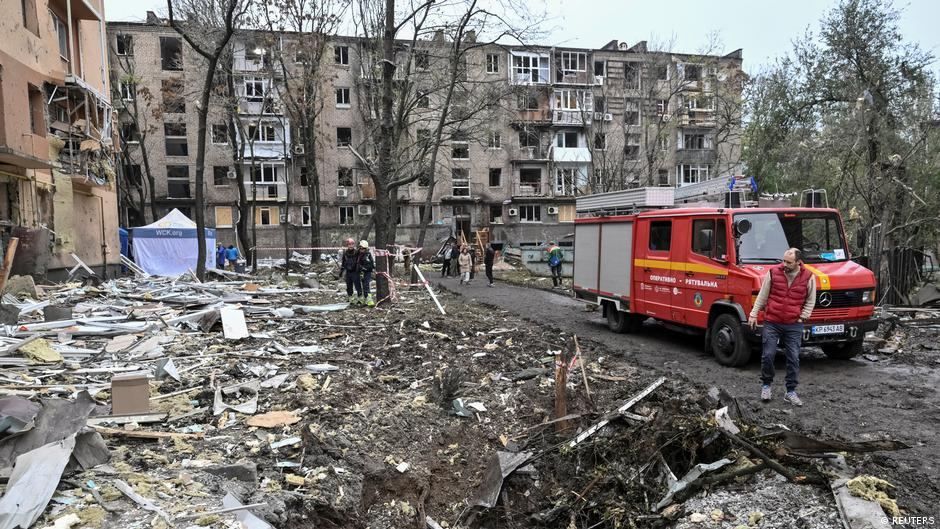
Ukrainian air force officials reported shooting down just 18 of the 41 missiles detected, with 23 missiles and 10 drones striking 20 locations across the capital. While defences managed to down 108 of 125 accompanying drones, the failure to stop the majority of the ballistic threats highlights a critical capability gap. The assault, which began around 1:30 a.m. local time and triggered explosions powerful enough to set off car alarms across the city centre, killed at least one person and injured 16 others.
Missiles struck a dormitory, a residential block and a supermarket, forcing emergency rescues in the Sviatoshynskyi and Shevchenkivskyi districts. The barrage followed a Ukrainian drone strike on e-commerce warehouses in the Moscow and Tambov regions a day earlier that killed at least eight people. As the war enters its fifth year, the tit-for-tat escalation is steadily eroding the commercial and logistics infrastructure on both sides.
For European defence contractors and governments, the immediate takeaway is the stark vulnerability of urban centres and economic assets to saturation ballistic missile attacks. Kyiv's interception rate underscores the severe strain on air defence stockpiles, a bottleneck that European aerospace firms have struggled to resolve despite surging order books.
President Volodymyr Zelenskyy explicitly linked the casualties to the interceptor shortfall. "Protection against ballistic missiles is our constant and top priority right now. Interceptors are needed every day, and I am grateful to everyone who takes our agreements seriously and ensures the delivery of anti-ballistic capabilities," he wrote on X.
The attack intensifies focus on the industrial capacity needed to sustain the war effort. US President Donald Trump recently indicated a willingness to grant Ukraine licenses to produce Patriot interceptors locally, though the lack of a clear implementation timeline leaves European supply chains in a state of uncertainty.
Acting foreign minister Andrii Sybiha urged "devastating pressure on Moscow to end this terror." For investors tracking the European defence sector, that demand points to a prolonged procurement cycle. The overnight strike confirms that capital flows into air defence manufacturing are a long-term necessity for the continent's economic security.