Major Russian missile barrage on Kyiv strains air defences
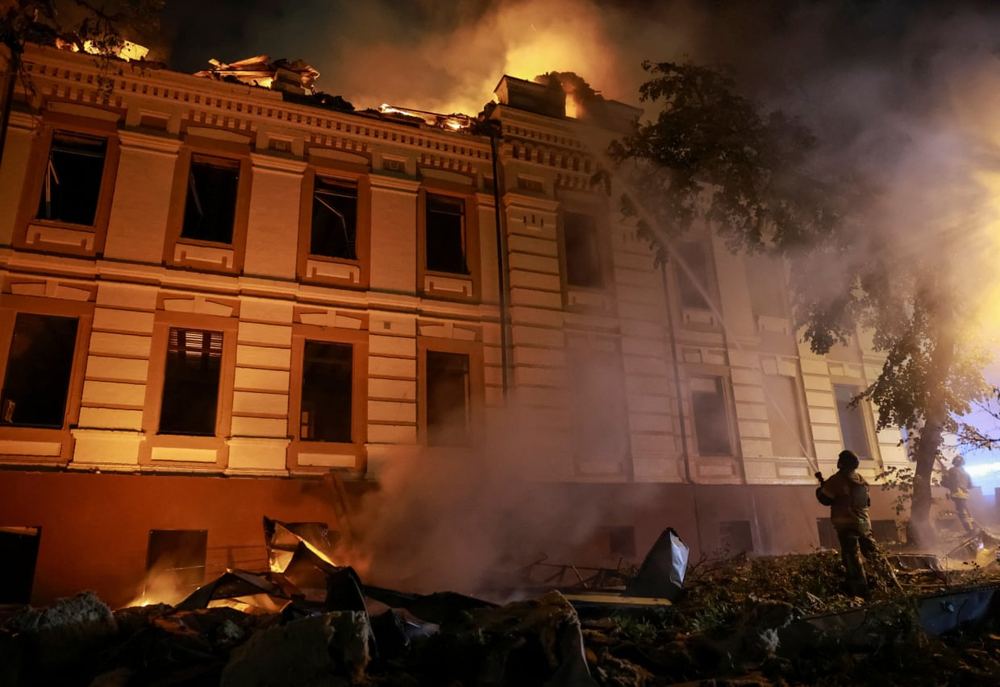
Russia launched one of its largest ballistic missile attacks on Kyiv, killing at least one, in a strike that underscores Ukraine's dwindling interceptor stocks and the mounting pressure on European allies to supply air defence systems.
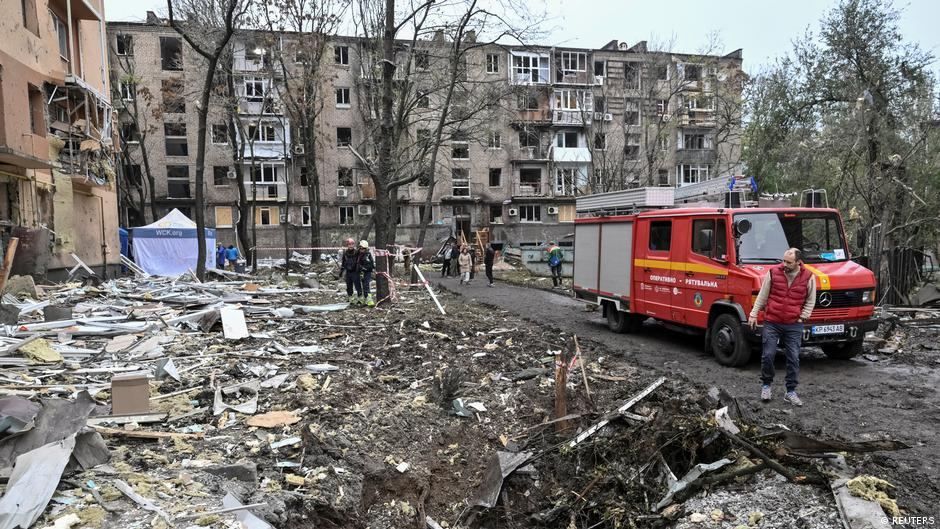
Russia launched approximately 40 Iskander-M and hypersonic Zircon missiles at Kyiv in a relentless five-hour overnight raid. The barrage killed at least one person and wounded seven, igniting fires across residential buildings, offices, and a dormitory in the central Shevchenkivsky district. The force of the explosions collapsed the ceiling of the Lukyanivska metro station vestibule, where civilians had gathered to shelter.
The scale of the attack lays bare a dangerous gap in Ukraine's air defence capabilities as interceptor stocks dwindle. President Volodymyr Zelenskyy has urgently appealed to Western allies to supply US-made Patriot systems, the primary technology capable of shooting down these ballistic missiles. For European governments and defence contractors, the strike intensifies pressure to rapidly scale up production and delivery of air defence munitions.
This military pressure is colliding with rare domestic political turbulence in Kyiv. Large protests have erupted following Zelenskyy's decision to sack defence minister Mykhailo Federov, who was widely credited with modernising the armed forces. Demonstrators are demanding Federov's reinstatement and the dismissal of commander in chief Col Gen Oleksandr Syrskyi, creating a distraction during an intense bombardment campaign.
The escalation follows a significant Ukrainian retaliation that exposed the ongoing fragility of Western sanctions. On Saturday, Ukrainian attack drones targeted e-commerce warehouses in the Moscow and Tambov regions, killing eight people. Zelenskyy stated the targeted logistics centres were used “to supply sanctioned components for drone production and navigation equipment.”
This allegation highlights a persistent challenge for European regulators attempting to choke off Russia's military supply chains. Despite extensive export bans, critical technological components continue to reach Russian arms manufacturers through intermediary logistics networks. Earlier on Saturday, Russian strikes in several regions killed five people and wounded almost 20, underscoring the protracted nature of the conflict.