Paris park arson arrest as French wildfire toll surpasses 2025 levels
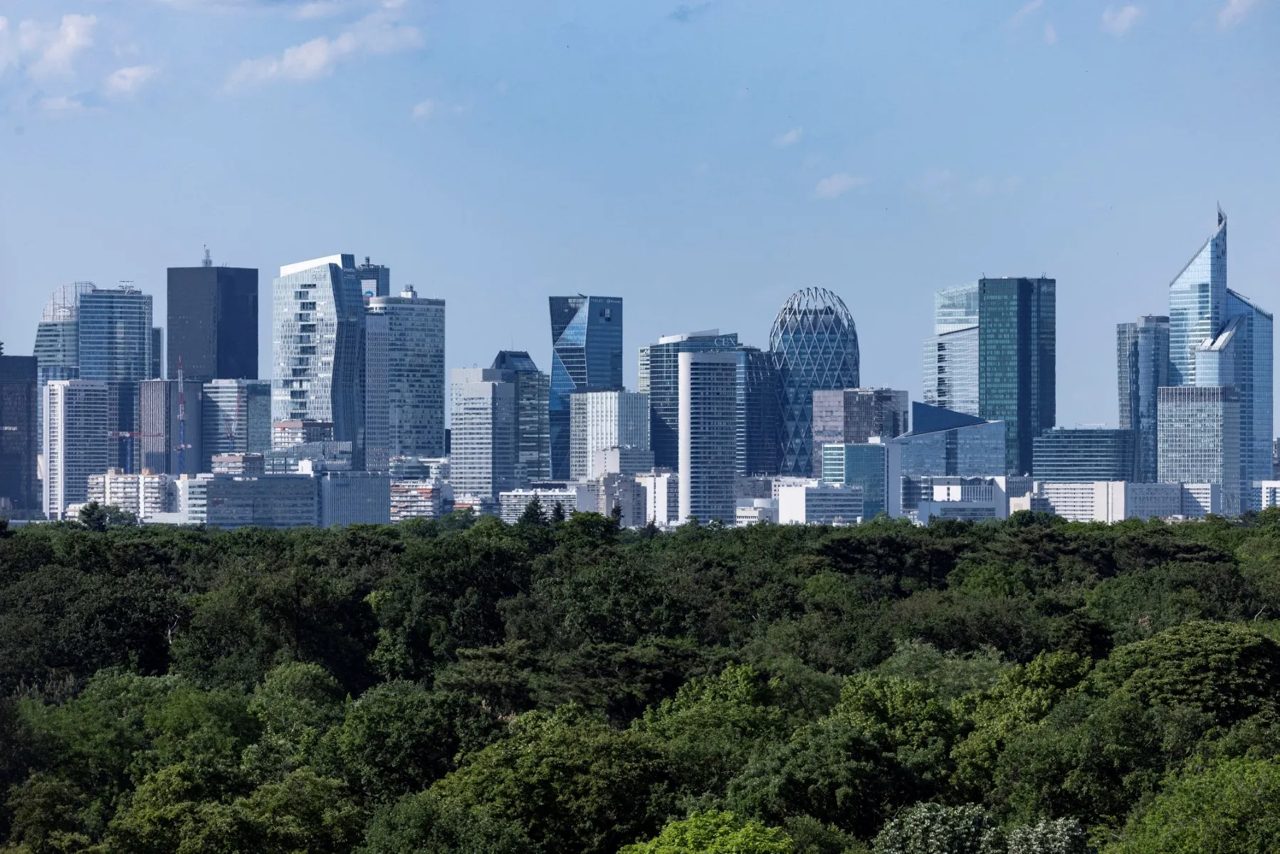
A man has been detained for attempting to ignite western Paris's Bois de Boulogne, an incident occurring as deliberate and accidental blazes push France's annual burned area past last year's total.
Police detained a suspect late Friday after he confessed to attempting to set the Bois de Boulogne alight, though officers limited the damage to roughly one square metre of vegetation. Prosecutors confirmed on Saturday that the suspect's custody has been extended after responders extinguished the spreading blaze with handheld extinguishers.
This localized arrest unfolds against a much larger environmental and economic crisis gripping the country, as France manages the aftermath of a massive wildfire in the Fontainebleau forest. That single blaze southeast of the capital consumed approximately 2,200 hectares of land, prompting intense public scrutiny into how such destructive fires are ignited and managed.
Authorities are actively pursuing multiple suspects linked to the regional blazes to prevent further ecological and financial damage. Earlier this week, investigators placed two 18-year-old men under formal investigation and remanded them in custody. These teenagers, one of whom was a volunteer firefighter, are suspected of deliberately starting fires in two separate locations within the affected area.
Not all recent ignitions were intentional, as two construction workers face charges and judicial supervision for allegedly starting the initial Fontainebleau fire by accident. These incidents contribute to a severe national trend, with more than 32,000 hectares burning across France since the beginning of the year.
The rapid accumulation of burned land now exceeds the total area affected during the entire 2025 wildfire season. For European markets, insurers, and public institutions, this escalating trend signals mounting pressure on state emergency budgets and corporate liabilities. The convergence of accidental industrial sparks and deliberate arson highlights critical vulnerabilities in forest management and infrastructure planning.
Managing these overlapping crises requires significant financial and logistical resources from both the state and the private sector. The destruction of thousands of hectares directly impacts timber markets, local tourism, and regional property values. As prosecutors continue to extend detentions, the focus remains on preventing further damage to the natural environment and the broader economy.
The financial implications extend beyond immediate firefighting costs. Rebuilding damaged infrastructure and restoring burned ecosystems will require sustained investment over the coming years. European investors are closely watching how French authorities balance strict law enforcement with long-term environmental and economic recovery strategies.