Germany enforces Dublin rule against Russian deserters
A Russian army deserter is hiding in a German church to avoid deportation to Croatia, exposing how strict enforcement of EU asylum rules shifts processing burdens to border states and limits the bloc's labor pool.
Nikita Zvezdov arrived in Germany in December 2025 to claim asylum after deserting the Russian army, but federal authorities rejected his application under the EU's Dublin regulation, assigning responsibility to Croatia where he first entered the bloc.
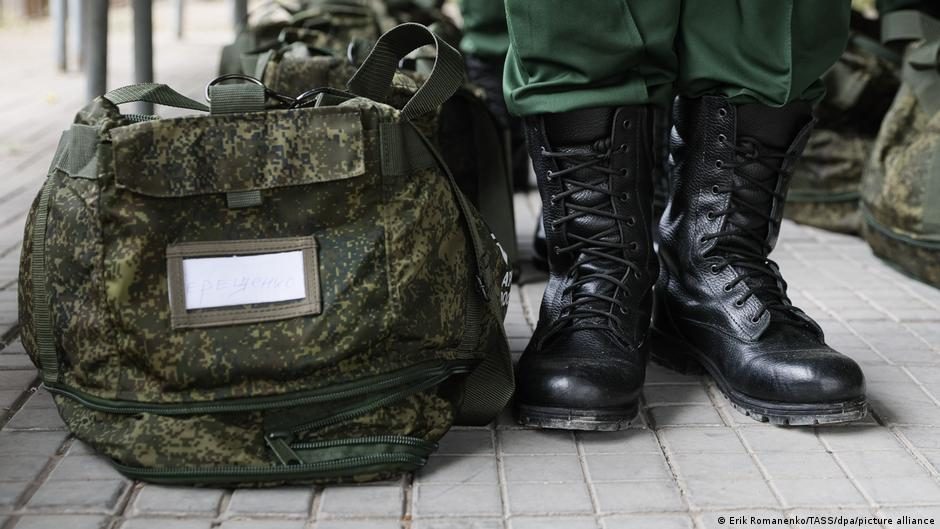
Drafted in April 2024 at age 18, Zvezdov was pressured into signing a military contract after being assigned to a unit near Ussuriysk known for criminality. "I realized that in principle I definitely have no choice but to run," he said, fleeing after receiving his first 40,000-ruble pay to Armenia, then through the Balkans.
The Dublin rule requires the first EU country of entry to process asylum claims, a framework that places heavy administrative and financial burdens on peripheral European states like Croatia. By strictly enforcing this return mechanism, Germany reduces its own domestic asylum processing costs, but at the expense of border state infrastructure and by restricting the availability of working-age migrants who could otherwise help alleviate labor shortages in core European economies.
The Federal Office for Migration and Refugees (BAMF) requires a "real, individual and justified fear of persecution" to grant protection. Alexey Kozlov of the Berlin-based group Solidarus noted that political promises made in 2022 to protect objectors do not alter legal interpretations, which now frequently deem deserters safe from severe persecution upon return.
Human rights groups dispute this assessment. The Russian outlet Astra has identified 29 illegal detention centers in occupied Ukrainian territories and Russia where recaptured soldiers face torture. "They bring the soldiers there with bags over their heads. They don't feed them. If you want to go to the bathroom, they give you a bag and tell you to go. They hung us from the ceiling by our hands and feet," one former soldier told Astra regarding a facility in Donetsk.
Zvezdov avoided a scheduled June 16 deportation by securing "Kirchenasyl" at a congregation near Aachen. German parliament figures show 126 people were deported to Russia in 2025, a trend Kozlov says leaves deserters with practically zero chances under the current coalition government. Zvezdov now awaits a July 30 deadline, after which asylum responsibility reverts to Germany if he is not sent to Croatia.