Italian authorities reclaim coastlines from private beach clubs to curb organised crime
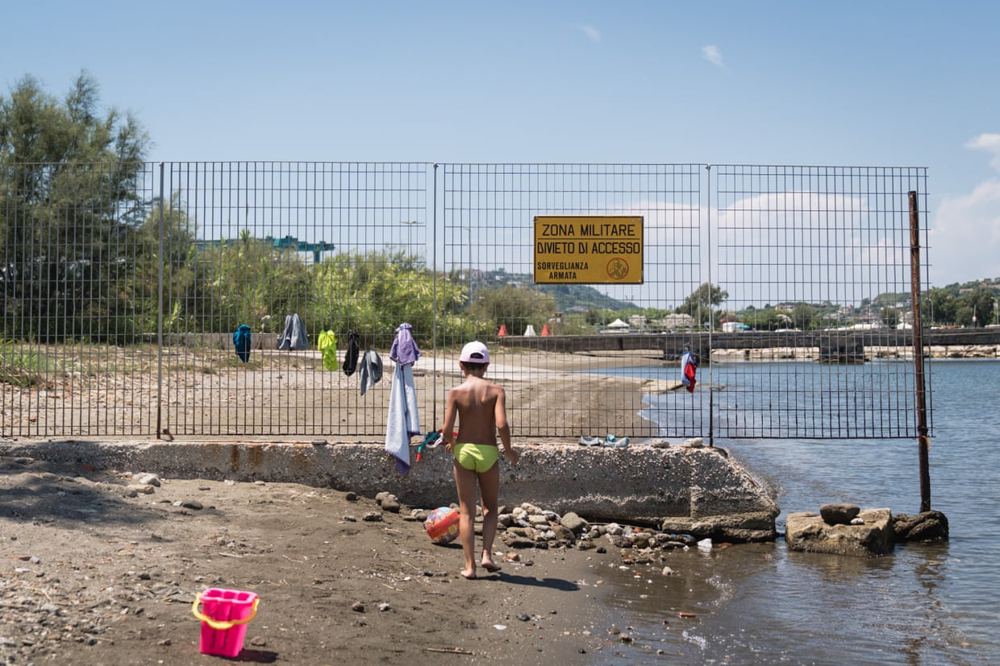
Local authorities are using bulldozers and legal action to dismantle decades of unregulated coastal privatisation, exposing a shadow economy that restricts public access and shields organised crime from market competition.
Italian local authorities are deploying bulldozers and legal action to reclaim coastlines from private beach clubs. This challenges a deeply entrenched system of coastal privatisation across the country. The crackdown targets an unregulated network of lidos that has long favoured cash-in-hand operators and organised crime over transparent market competition.
Italy’s almost 8,000 kilometres of coastline host roughly 30,000 of these private bathing concessions. A 2022 report by environmental group Legambiente calculated that private businesses now occupy about 43 per cent of the country’s sandy coasts. This massive transfer of public assets into private hands has created a highly lucrative, largely uncompetitive market.
Danilo Ruggiero, director of the Mare Libero campaign, notes that these beaches have been transformed into exclusive resorts complete with swimming pools and restaurants. In towns like Ostia, 80 per cent of the beachfront is controlled by these complexes, often blocked from public view by walls and fences. The system relies on what local officials describe as a "clientelistic, friends-of-my-friends" arrangement.
In the town of Bacoli, Mayor Josi Gerardo Della Ragione has spearheaded the pushback against what he calls "legalised squatting". He notes that many operators simply occupied public land and paid fines to the port authority, becoming known as historical unauthorised occupants. "Public property seized by force and bullying will be defended by force and bullying," Della Ragione says.
To enforce this vision, the mayor recently deployed heavy machinery to dismantle illegal buildings at the Casevecchie beach. The operation encountered violent resistance, including an individual armed with a chainsaw confronting council workers. This reflects the broader economic reality that running a lido is a highly profitable venture attractive to organised crime.
The intersection of public assets and illicit finance is evident in the recovery of Villa Ferretti. The 19th-century property and its adjacent beach were seized from the notorious Pariante Camorra clan in 1995 and transferred to the municipality in 2003. The council subsequently transformed the site into a public park and leased the villa to the University of Naples Federico II.
The density of privatisation varies sharply by region, with Tuscany and Romagna seeing the highest concentration. In Forte dei Marmi, 94 per cent of the beachfront is rented to resorts, while in Naples itself, private concessions account for 95 per cent of the coast. Reclaiming these spaces is a necessary step to restore fair market access and proper public ownership.