How a creative clash with Noise Records doomed Celtic Frost in 1987
German label Noise Records withdrew all marketing funding for Celtic Frost’s 1987 album after the Swiss band rejected commercial thrash metal for avant-garde experimentation, highlighting the economic friction between artistic risk and label expectations.
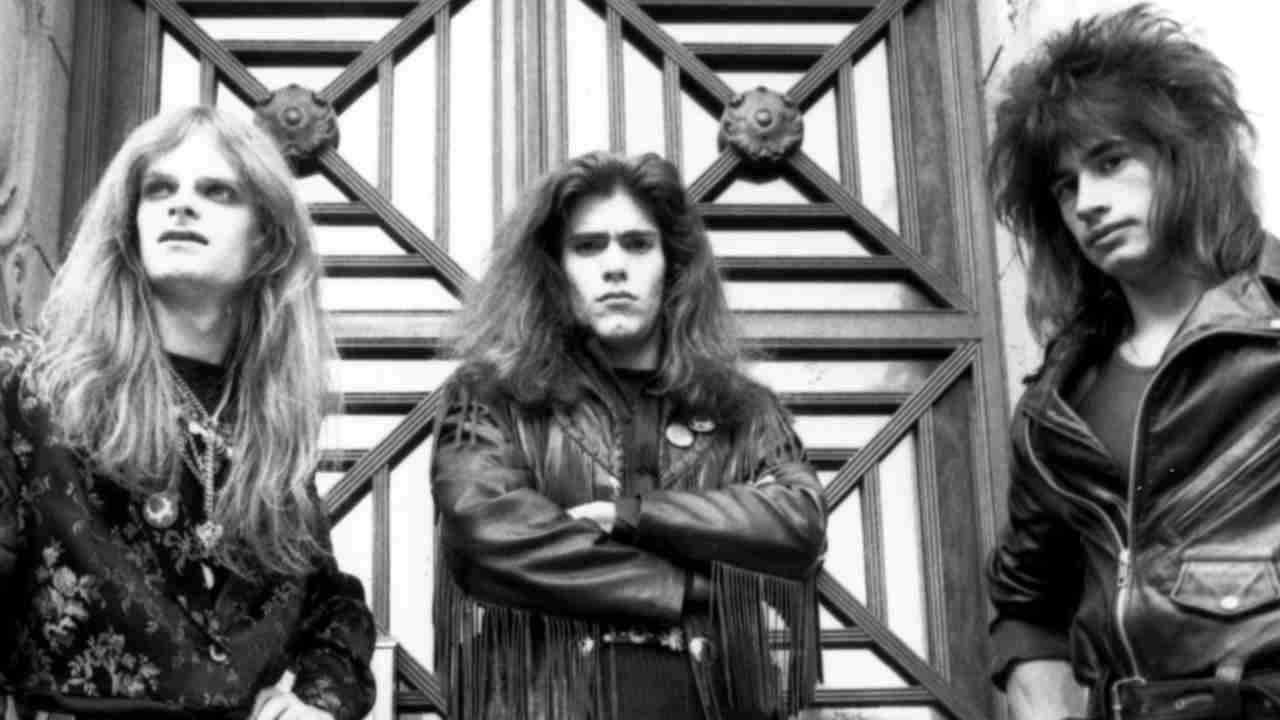
When Swiss metal band Celtic Frost delivered their third album to German label Noise Records in 1987, the company’s executives responded with what singer Thomas Gabriel Fischer recalls as "looks of horror." The label immediately withdrew all planned marketing budgets for videos and advertising, effectively putting the record "on ice."
Noise Records had signed the band to capitalize on the rapidly growing popularity of thrash metal. At the time, the genre was still a young concept, and the label expected a commercially predictable product similar to Slayer or Exodus. Instead, Celtic Frost spent six months writing and four months recording an album that fundamentally departed from their established sound. They incorporated classical instruments, female opera vocals, and even a cover of an American new wave song.
Fischer explained that the label wanted them to "play safe," a demand the band outright rejected. The creative divergence created immediate operational friction. The band had drawn up a shortlist of established producers, including Rick Rubin and Michael Wagener, to manage their complex, genre-blending vision. However, Noise Records informed them that every candidate had either turned the project down or was unavailable. This forced the inexperienced trio to self-produce a highly elaborate record featuring orchestras and Arabian musicians. "Not ideal at all," Fischer conceded.
Because Noise had already spent a comparatively large sum on the lengthy recording process, they could not afford to scrap the completed album entirely. Instead, the label deployed a punitive financial strategy. By cutting the promotional budget overnight, Noise minimized its further financial exposure while essentially abandoning the record. The label further refused to finance a tour to support the release, forcing the band’s own manager to stump up the necessary capital.
The resulting financial and mental pressure proved unsustainable for the young musicians. "Everything that surrounded the record was just a nightmare," Fischer said. "The whole business destroyed us." The band dissolved on stage in Dallas in December 1987. For the European music industry, the episode remains a textbook example of the structural conflict between artistic innovation and label risk management, where the withdrawal of marketing capital doomed an ambitious project.