EU bans large fashion firms from destroying unsold clothes
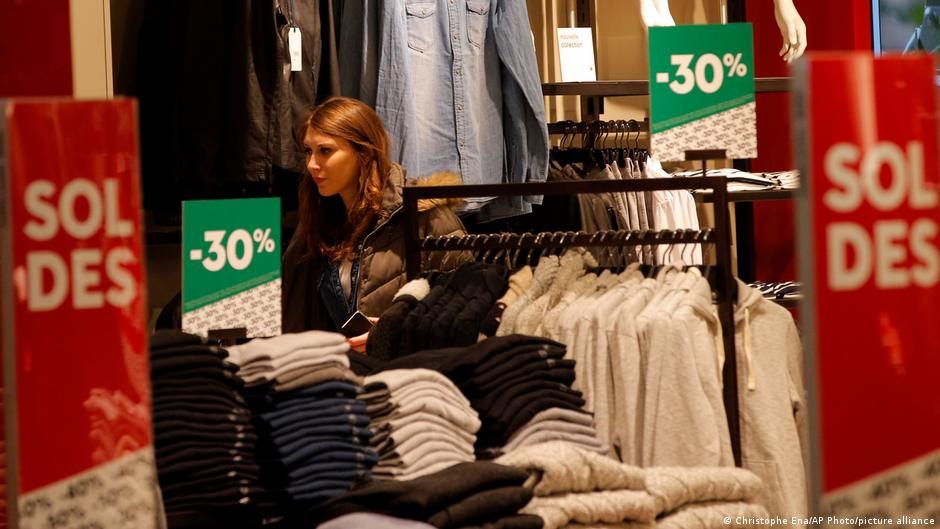
A new EU ban prevents large fashion companies from destroying unsold garments, forcing the industry to find alternative disposal methods to meet the bloc's environmental targets.
A ban on destroying unsold clothes, accessories and footwear took effect across the European Union on Sunday, targeting large retailers and manufacturers. Under the Ecodesign for Sustainable Products Regulation, companies with more than 250 employees and over €50 million in net annual turnover must now route unsold stock to discount outlets, alternative markets or charities.
The rule presents a significant logistical and financial test for an industry where destroying inventory has repeatedly been defended as cheaper than storing, repairing or discounting it. While the regulation currently applies only to large firms, it will extend to medium-sized companies in 2030, fundamentally reshaping inventory management across a sector where just 20% of apparel sold in the bloc is actually produced within the EU.
Brussels is intervening to curb a waste crisis driven by the rapid expansion of fast fashion and e-commerce. According to the European Environment Agency (EEA), 4% to 9% of unsold textile products are destroyed annually across the EU, amounting to hundreds of thousands of tons. The problem is heavily exacerbated by online returns, with one in five fashion goods ordered online later sent back and never resold.
EU states are under increasing pressure to address the hidden waste of raw materials, water, energy and transport embedded in the apparel sector. Incinerating these mass-produced goods directly undermines the EU’s greenhouse gas emission reduction targets.
In a recent LinkedIn post, the EEA framed the ban as a core component of a broader legislative shift. "A circular economy — where products are designed to last, and are reused, repaired and recycled — is no longer just a vision, but is being embedded in law through these new legislative measures," the agency wrote.
The German Retail Federation (HDE) noted that consumers could ultimately benefit from increased access to discounted and second-hand apparel. However, HDE Managing Director Stefan Genth cautioned that compliance will be a steep challenge for many stores. "Not all unsold goods can be resold or donated easily," he said, pointing to practical obstacles like damaged packaging, high logistics costs, lack of demand and low product values.
Destruction remains permitted only under specific conditions, such as when items are unsafe, damaged, counterfeit or rejected by charities. To enforce the new measures, companies are now required to publish annual reports detailing the goods they discard and maintain those records for five years.