Burnham becomes UK's sixth PM in a decade, pledges stability
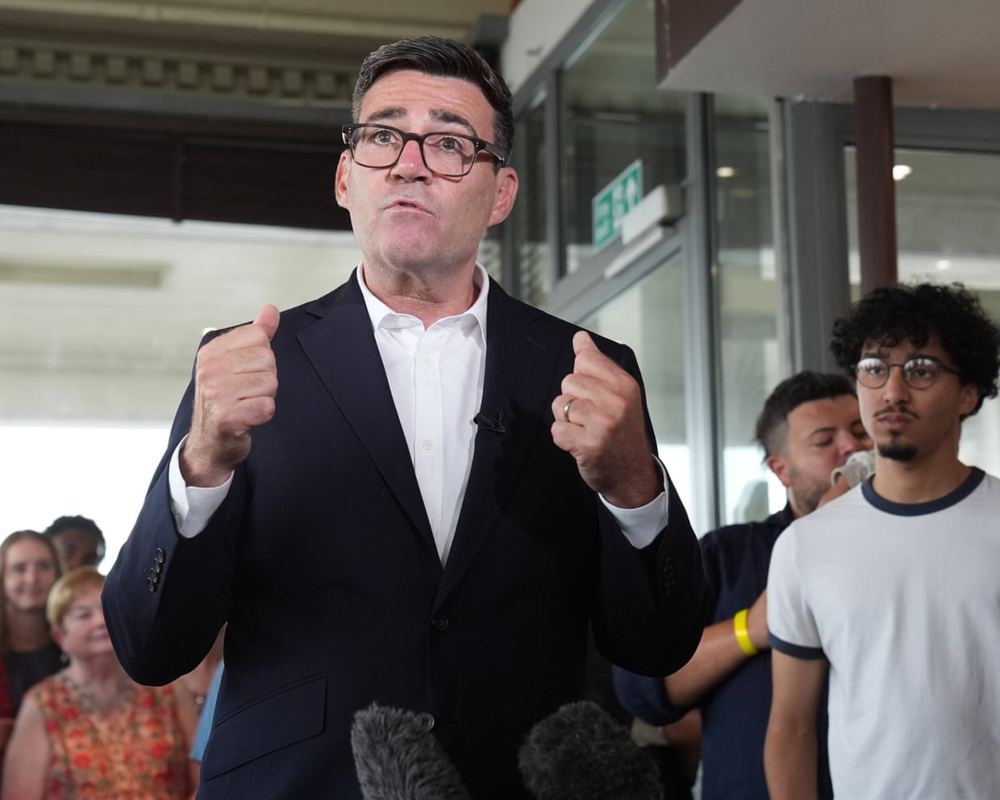
Andy Burnham takes power amid uncertainty over his cabinet and economic direction, seeking to end a decade of political churn that has damaged Britain's standing with allies and investors.
Andy Burnham will travel to Buckingham Palace on Monday to accept the role of prime minister, becoming the sixth person to hold the office in ten years. The Labour leader is expected to use his first Downing Street address to argue that Britain needs political stability and must be honest about the challenges it faces.
The rapid turnover at the top of British politics has not gone unnoticed in European capitals, where it has complicated long-term planning on trade, security and energy cooperation. Burnham is set to frame his premiership as a break from that pattern, warning against calls for an early election with Labour potentially holding power for another three years.
Cabinet shaped by energy and spending divides
Cabinet appointments were still being finalised on Sunday, but several roles appeared settled. Shabana Mahmood is widely expected to become chancellor, with Ed Miliband lined up for foreign secretary and Jonathan Reynolds taking the business brief at a department that may absorb the current science and technology ministry.
Miliband's move from frontrunner for chancellor to foreign secretary reflects a significant internal tension over energy policy. As energy secretary, he opposed expanded North Sea drilling. Burnham's allies have signalled a more permissive stance, backing faster extraction from existing fields without approving major new developments. Lucy Powell, Labour's deputy leader, described it as a "change of emphasis" rather than a policy shift.
That nuance was lost on Donald Trump, who claimed on Truth Social that Burnham would open North Sea oil "all the way," prompting celebrations that were not, in fact, taking place in Aberdeen. The miscommunication illustrates the diplomatic sensitivity surrounding Britain's energy posture as Europe balances climate commitments with energy security.
Foreign aid and the Thames Water question
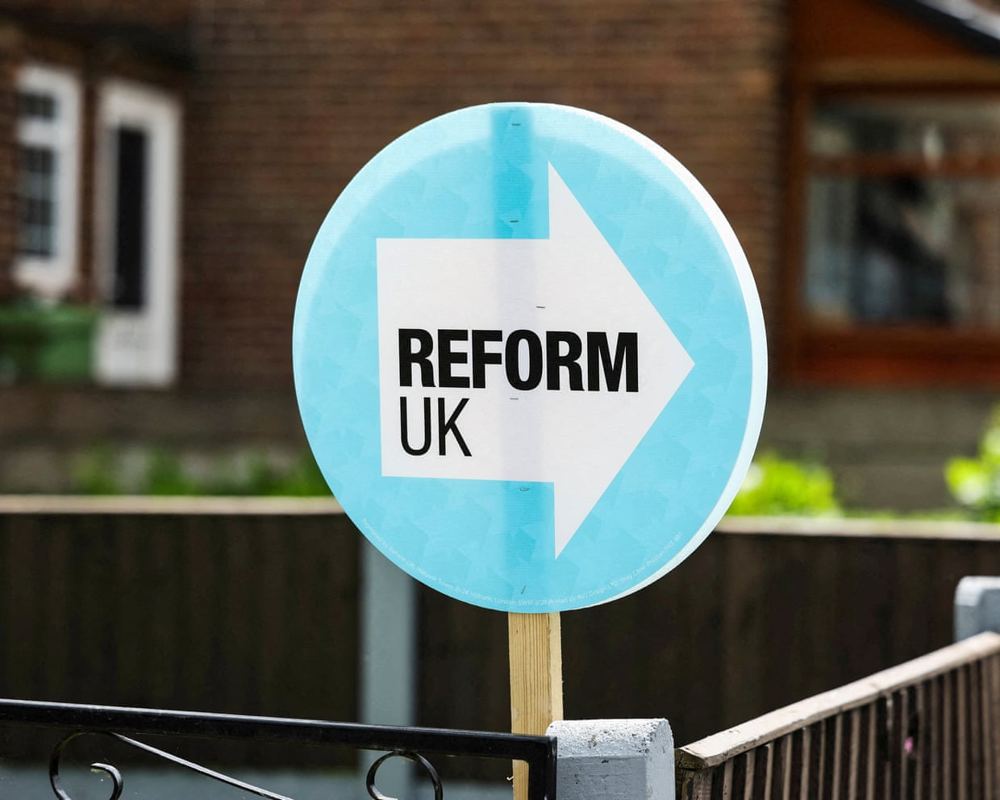
As foreign secretary, Miliband could push to restore Britain's overseas development spending to 0.7% of national income, up from 0.2%. Nigel Farage, leader of Reform UK, seized on the prospect, claiming it would cost an extra £10 billion. A return to the 0.7% target would bring Britain back into line with major European donors and signal a re-engagement with multilateral institutions after years of retrenchment.
Burnham's team declined to comment on reports that he plans to place Thames Water into a special form of administration, a move that could leave the state covering some of the utility's running costs while a buyer is sought. The fate of the London and south-east England water company will be closely watched across Europe, where infrastructure privatisation models face growing scrutiny.
Burnham has so far made few firm policy commitments beyond ruling out increases to VAT, national insurance and income tax, and pledging to scrap the digital ID card programme. He has indicated a willingness to spend political capital on fixing social care, a sector under severe strain, and promised tangible improvements to the cost of living.