Fifa's heavily monetised World Cup final embraces US spectacle
Spain and Argentina face off in a World Cup final overshadowed by ticketing glitches, a US-style halftime show and the commercial imperatives driving Gianni Infantino’s Fifa.
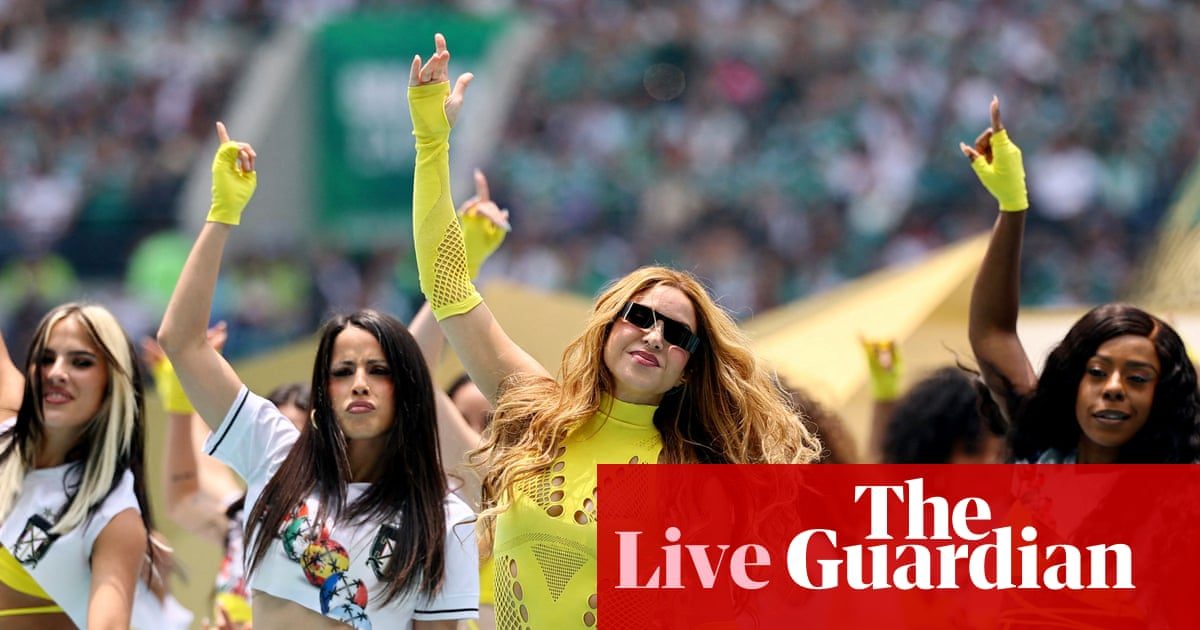
Spain and Argentina kicked off the World Cup final six minutes late following an extended, two-part closing ceremony that included a US-style halftime show produced with Live Nation. The spectacle, featuring Tom Cruise, Jennifer Hudson and Shakira performing for free to support Fifa’s education fund, marks a stark shift in how the governing body is packaging the sport's biggest match.
James Massing of Live Nation, which helped organise the show, argued that sports events must adapt because they are “competing with any other live experience - going to the museum, going to the theatre, going to the cinema.” For European fans accustomed to uninterrupted football, however, the intrusion of Hollywood actors and pop stars mid-match risks alienating a traditional audience that values the sport precisely because it is not the NFL.
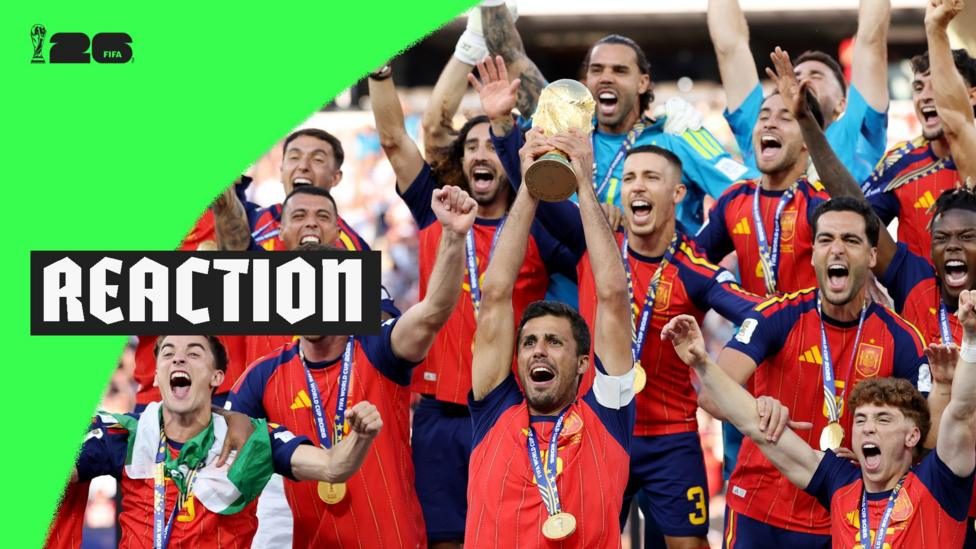
The entertainment overload underscores the commercial strategy of Fifa president Gianni Infantino. Despite controversies ranging from awarding Donald Trump a Peace Prize to the high price of tickets, Infantino’s position is secure because he is “very good at making money for Fifa.” The trophy presentation itself was brought to fans by an unnamed luxury brand, blending sport with overt corporate sponsorship.
That relentless monetisation faced immediate operational friction. A ticketing system glitch delayed fans who had paid "eye-watering sums" to attend, leaving visible empty seats in the stands as the match began. For investors and sponsors, such logistical failures at a pinnacle event highlight the risks of scaling a global sports property into a broader entertainment conglomerate.
The Americanisation of the event also introduced political and brand risks. Trump’s presence drew apparent boos when shown on television, though he was kept off the stadium jumbotron. A coalition of advocacy groups planned a coordinated "Final Red Card" protest during the trophy presentation. As one observer noted, the prospect of such political spectacles “tells you all you’ll ever need to know about the shoddy, self-dealing stewardship of ‘the people’s game’ under Gianni Infantino.”
Back in Madrid’s Plaza de Colón, thousands gathered to watch, with police turning people away from the barriers. For fan Raquel Garcia, the day remained about unity, noting that “events like these bring people together and they make people happy.” Yet the overarching narrative for the sport's governors is no longer just national unity, but the commercial imperatives of a global brand.