Active tourism searches jump 5,000% as Europeans ditch beach holidays
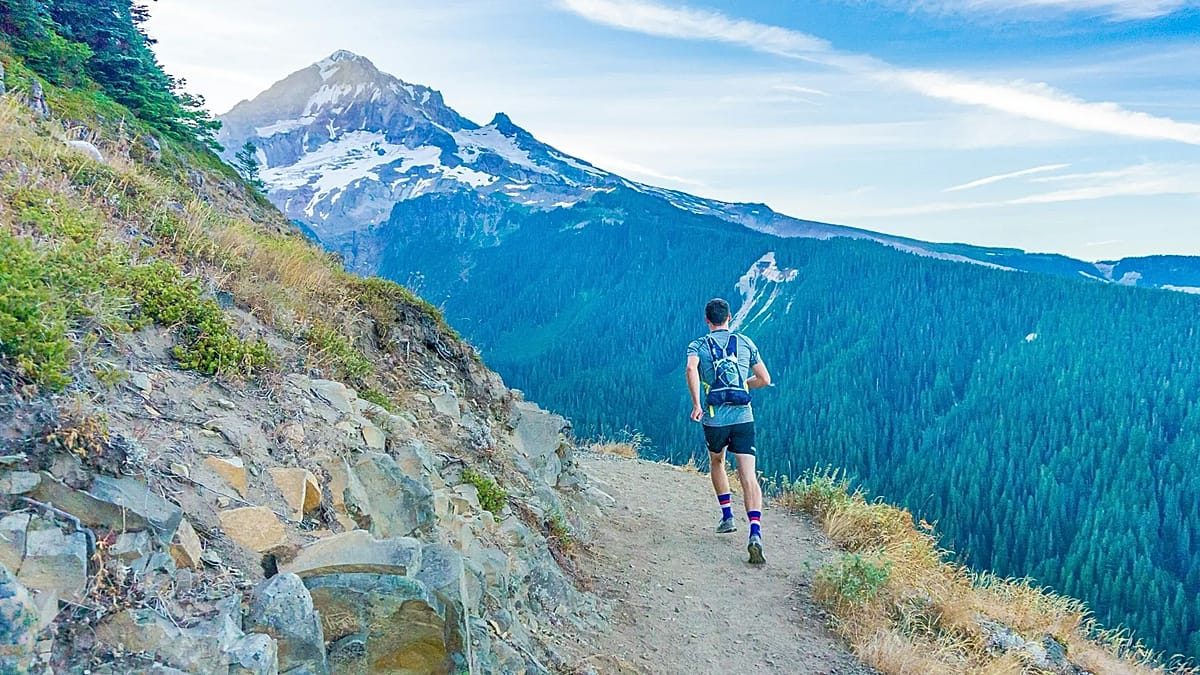
European tourists are rapidly abandoning traditional beach holidays for active travel, a shift that threatens to redraw the continent's tourism economy by redirecting spending toward rural and mountain regions.
Searches for "active tourism" in Europe have surged by 5,000% over the past month, according to new data from motorhome tour operator CamperDays. Interest in trail running specifically grew by 20% compared to the same period last year. The figures provide concrete evidence of an accelerating move away from the traditional "fly and flop" holiday model that has long dominated the continent's travel sector.
This rapid behavioural shift carries tangible implications for European regional economies. As travellers opt for so-called "runcations," tourism revenue is increasingly likely to bypass mass-market coastal resorts. Instead, spending is being redirected toward rural, mountainous, and island communities that offer the extensive trail networks these active travellers demand.
The trend also alters how visitors interact with local infrastructure. Max Schmidt, CEO and Chief Adventurer of CamperDays, noted that this form of travel prioritizes exploring local surroundings "without the need for public transport." This suggests a higher reliance on local, independent businesses for food and services along remote routes.
Schmidt emphasised that the market for these trips is broader than elite athletes. “If you think a runcation means pounding the trails from morning until night, think again," he said. “A basic level of fitness is, in many cases, all that is required. In fact, stopping for photographs, coffee and snack breaks, to catch your breath or even for a chat with those you’re with is all part of the experience."
Several distinct European regions are currently positioned to capture this changing demand. In Portugal, Madeira's historic levada paths and mild year-round climate have established the island as a top destination for trail runners.
Similarly, France's Chamonix offers marked alpine routes beneath Mont Blanc, while Italy's Dolomites feature a unique Rifugio culture of mountain huts that allows runners to travel light while spending money on homemade local food and drinks. Germany's Black Forest and Spain's UNESCO-listed Serra de Tramuntana in Mallorca complete the list of primary beneficiaries.
Ultimately, the data points to a structural shift in European leisure travel. Holidaymakers are increasingly willing to trade passive sun loungers for physical exertion, fundamentally altering where tourism euros are spent across the continent.