Nolan's Odyssey brings tourism surge to water-scarce Messenia
Christopher Nolan’s upcoming film is set to drive a wave of visitors to the Peloponnese, testing whether its luxury-heavy tourism model can survive the region's severe water scarcity.
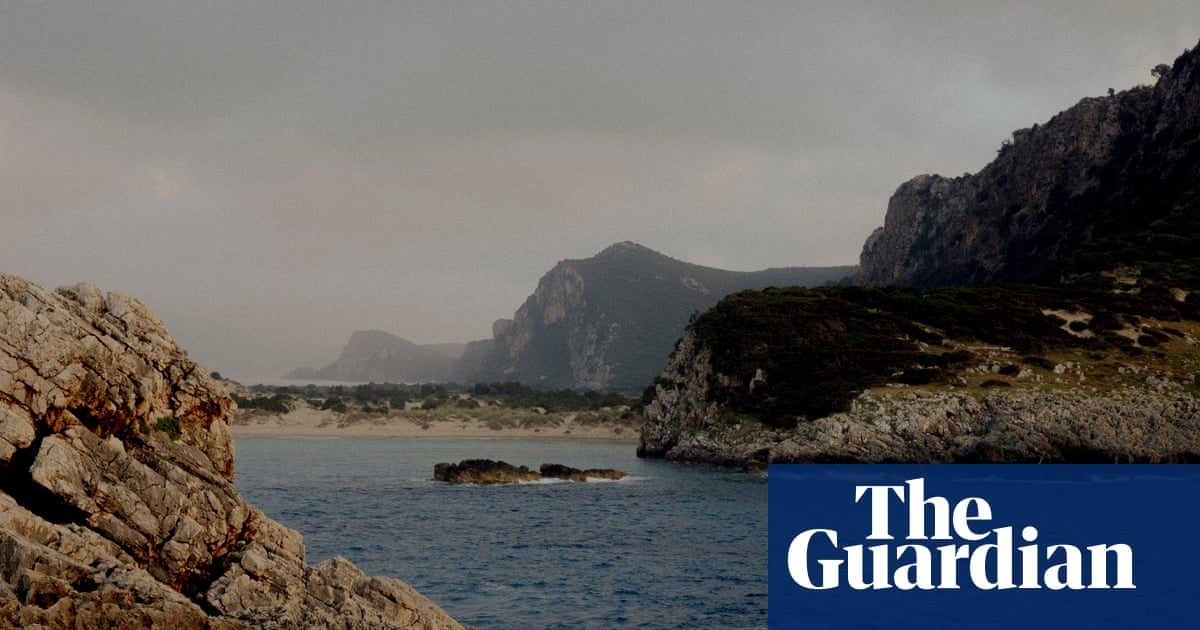
Christopher Nolan’s upcoming film The Odyssey is expected to trigger an unprecedented tourism surge in the southwestern Peloponnese, exposing a bitter dispute over the region's economic future. The production used the protected coastline of Messenia as a backdrop, drawing global attention to an area already grappling with rapid development.
The anticipated influx threatens to accelerate an investment boom that has fundamentally reshaped the local economy. International arrivals at Kalamata airport have more than tripled over the past decade, fueled partly by Costa Navarino. Developed by Greek tourism company Temes, this sprawling luxury complex features four golf courses, a private marina and extensive residential properties.
However, this economic expansion collides directly with a worsening climate reality. Over the past 30 years, Messenia’s average temperature has risen by 1.5C, severely straining local water supplies. Kostas Lagouvardos, director of research at the National Observatory of Athens, said: “The combination of scorching summers and snowless winters drastically reduces groundwater recharge, exposing the region to chronic water scarcity precisely during the months of peak tourist influx.”
The pressure on water resources is pushing a vital European ecosystem to the brink. The Gialova lagoon, protected under the Natura 2000 network, hosts 17 habitats and nearly 100 endangered species. According to the European research project Coastal, Messenia relies entirely on groundwater, and as freshwater drops, the lagoon suffers critical salinity for a third of the year, exacerbated by agricultural runoff and wastewater from nearby resorts.
Ioannis Spilanis, a professor emeritus at the University of the Aegean, criticised the business model driving this growth. “Despite being presented as an eco-friendly luxury tourist facility, I don’t believe it is. The water consumption of such a model is simply incompatible with the resources of this region.”
Local residents increasingly fear that unchecked expansion will destroy the area's primary assets. Georgia Visviki, president of the Pylos Women’s Association, said: “These investments bring jobs, but they also put growing pressure on our environment and our identity. We don’t reject tourism; we want a model that works with the local community, not against it.”
Inland villages are attempting to build a different economic path centred on existing infrastructure rather than new construction. Representatives of the Ethos social cooperative said: “Reactivating the railway network doesn’t require new investments, since the infrastructure already exists, yet it would provide vital lifelines for these decaying inland villages. It would allow residents to move back into their family homes and commute to Kalamata, creating sustainable local jobs.”
Aris Christopoulos, a co-founder of the organic olive oil collective Apo Kardias, warned against larger developments. “We don’t want mega-projects or gigantic resorts. We want human-scale tourism, connected to the territory and capable of leaving deep traces, not scars.”
As Messenia braces for the cinematic spotlight, it faces a familiar European dilemma. Destinations like Dubrovnik and Maya Bay have demonstrated how global screen exposure can permanently overwhelm fragile environments. The region must now choose between ever-expanding tourist infrastructure and a more measured model of development.