Ryanair first-quarter profit drops 34% amid Middle East crisis and fuel costs
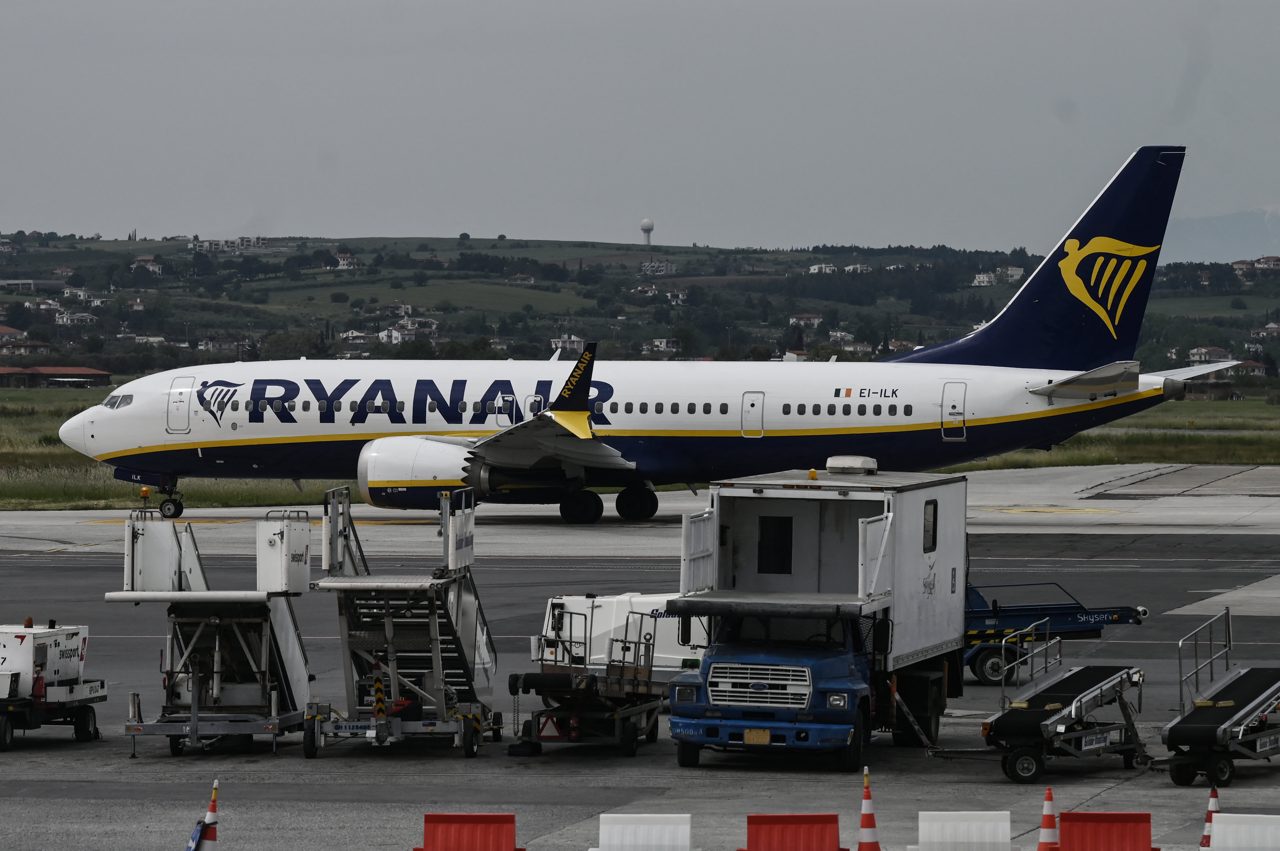
Ryanair’s first-quarter profit fell 34% as geopolitical tensions and soaring fuel costs force lower fares, signaling a looming capacity shakeout for weaker European carriers.
Ryanair reported a 34 per cent drop in first-quarter profit after tax, falling to 538 million euros from 820 million euros a year earlier. The budget airline attributed the decline to consumer hesitancy and delayed bookings driven by the ongoing Middle East crisis.
Operating costs climbed 11 per cent to 3.81 billion euros, largely because the price of the carrier’s 20 per cent unhedged jet fuel more than doubled during the April to June quarter. Consequently, average ticket fares declined by 6 per cent as the company lowered prices to stimulate demand.
Chief executive Michael O’Leary noted that early-quarter concerns over EU jet-fuel shortages and economic uncertainty forced the airline to offer more competitive pricing. However, he emphasized that Ryanair’s conservative hedging policy provides a distinct cost advantage over rival carriers.
Broader market data highlights this volatility, with the International Air Travel Association reporting that average jet fuel prices surged to $127 per barrel for the week ending 10 July. This represents a 41 per cent increase from the previous year. Compounding the issue, the International Energy Agency has warned that Europe could face jet fuel shortages within weeks due to its heavy reliance on Middle Eastern imports.
This challenging environment is expected to trigger a severe capacity shakeout across the European aviation sector. Chief financial officer Neil Sorahan warned that unprofitable airlines will face a difficult winter, predicting a "shakeout in capacity" that could lead to carrier failures in the coming months.
Ryanair is positioning itself to capitalize on this instability. The airline paid down its final 1.2 billion bond in May, leaving it effectively debt-free and in full ownership of its assets. Sorahan added that while travelers are still flying in high volumes, they are booking much closer to their departure dates.
Aviation analyst John Strickland observed that Ryanair mitigates lower base fares through ancillary spending. He noted that passengers purchasing extras like baggage or rental cars drive roughly 20 to 25 per cent of the company’s total revenue, buffering the impact of discounted tickets.
Looking ahead, Ryanair issued conservative guidance for the remainder of the financial year. O’Leary stated that second-quarter pricing is trending modestly downward and that profit remains "highly sensitive" to adverse geopolitical developments in the Middle East and Ukraine, leaving the company with zero visibility for the second half of the year.