Spain mobilises for million-strong World Cup victory parade in Madrid
Spain’s second World Cup triumph has triggered widespread public celebrations and prompted major logistical and security preparations in Madrid for a victory parade expected to draw one million people.
Spain secured its second World Cup title with a 1-0 extra-time victory over Argentina in New Jersey, sparking immediate celebrations across the country. Ferran Torres scored the decisive goal in a match dominated by the Spanish side, which also saw Argentina’s Enzo Fernandez sent off.
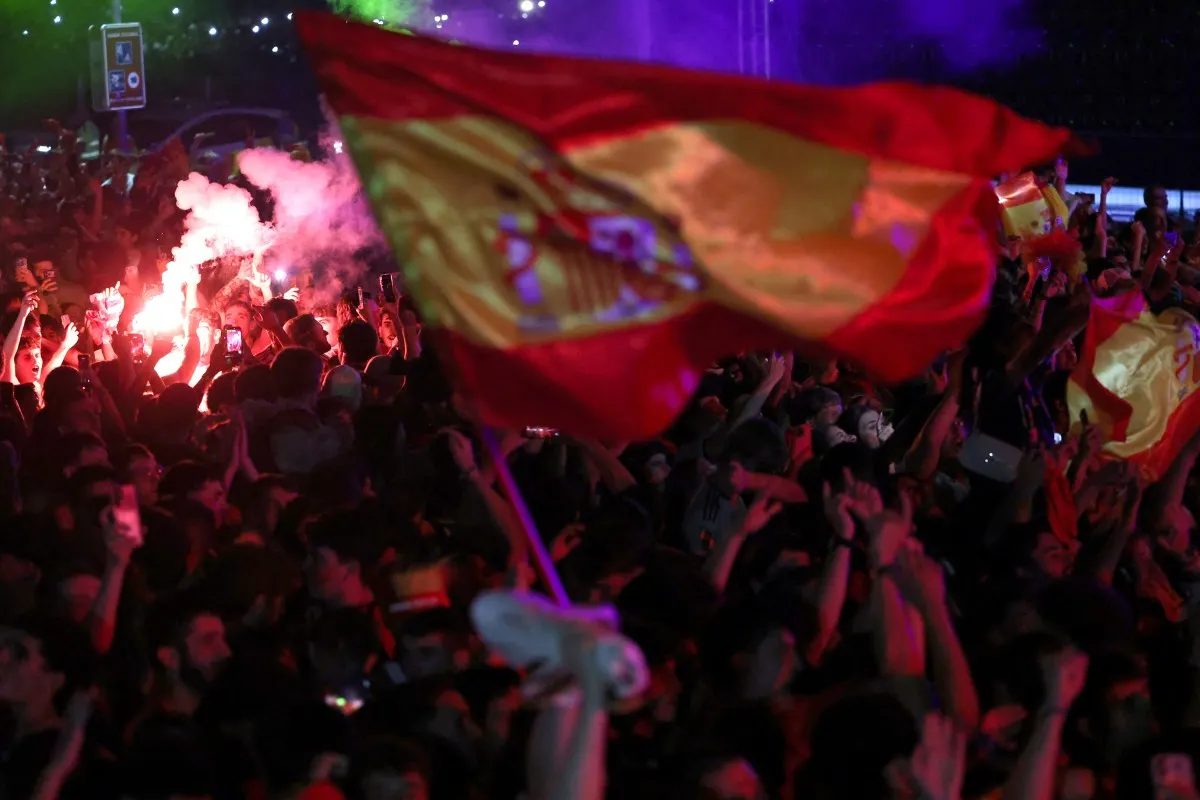
In Madrid, festivities erupted close to midnight following the final whistle. Thousands gathered in the city centre to watch the match on giant screens before flooding the streets with car horns, flares, and vuvuzelas reminiscent of the 2010 tournament.
The victory resonated deeply across generations of fans. Twenty-five-year-old Diego highlighted the country’s recent football dominance, stating, "We won the Euro in 2008, then the World Cup: two years ago we won the Euro again and now once more we have won the World Cup." Meanwhile, 40-year-old John Molina recalled the dreamlike quality of the 2010 final against the Netherlands.
Supporters emphasized the team’s tactical control throughout the match. Angela Lambea, 30, remarked that Spain deserved the win because they "had the ball the whole time," adding that the crowd was "totally overcome with emotion" despite Argentina’s physical tactics.
Public Infrastructure and Economic Impact
The scale of the celebration presents both a boost to local hospitality and a significant logistical challenge for city authorities. Additional security and transport measures are being implemented to manage the crowds, as around one million people are expected to line the parade route on Monday.
The victory procession will conclude at the Cibeles square, the traditional gathering point for major sporting trophies in the capital. While the spontaneous midnight celebrations will require rapid municipal cleanup, the planned parade represents a coordinated mobilization of public resources.
The national mood has even reached commercial transport, with an Iberia pilot announcing to passengers upon landing in Madrid: "We are world champions, ladies and gentlemen, dear passengers." As fans prepare to welcome the team home, the focus shifts to managing the public order and economic implications of a historic national celebration.