EU updates air passenger rights, bans separate carry-on fees
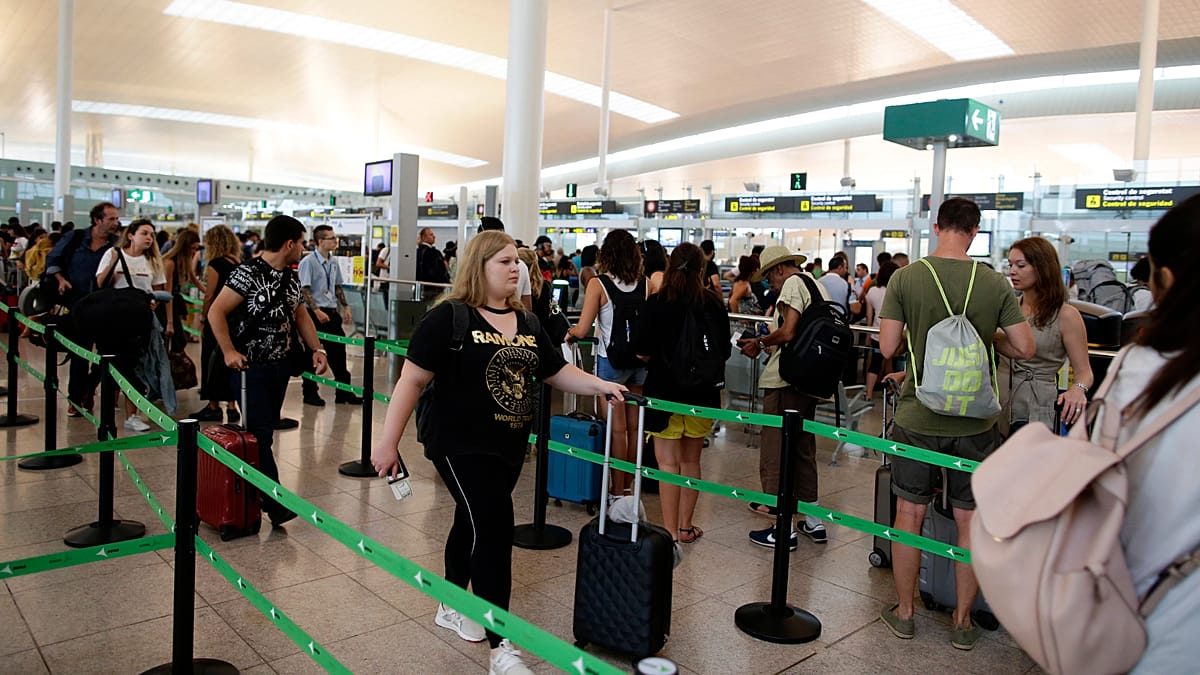
The European Union has approved a major overhaul of its air passenger rights, forcing airlines to include carry-on luggage costs in base fares and standardise compensation procedures by mid-2027.
The European Parliament and Council have formally approved an update to EU Regulation 261/2004, concluding thirteen years of negotiations. The Parliament voted 646 to 12 on 7 July, with the Council following on 13 July. The updated rules will apply across the bloc from mid-2027.
For European airlines, the legislation introduces fundamental changes to ancillary revenue models and administrative workflows. Carriers will lose the ability to charge separately for carry-on luggage, as this cost must be absorbed into the advertised base fare. The rules also eliminate the practice of cancelling a passenger's inbound flight if they miss the outbound leg, removing a long-standing policy that impacted ticket pricing models.
The updated regulation directly addresses the opaque claims processes that have frustrated travellers. Moving away from confusing airline websites, carriers must now provide clear instructions on compensation procedures. They will be required to send passengers an electronic, EU-wide standardised compensation form to streamline claims, and must clarify the specific cause of any disruption, restricting cancellations to "extraordinary circumstances."
The core financial liabilities for carriers remain untouched. Passengers retain the right to compensation of between €250 and €600 for flights delayed by more than three hours, with the exact amount tied to the flight distance. Reimbursement and re-routing obligations for cancelled flights also stay unchanged.
Carriers will need to adjust several customer service operations, allowing passengers to correct name-spelling mistakes without incurring extra fees. Airlines must also issue digital boarding passes at check-in without forcing travellers to download a proprietary application. Additionally, children under 14 and passengers with disabilities must be seated next to their accompanying person at no additional charge.
The mid-2027 implementation date provides a clear, multi-year transition window. Carriers will use this time to adapt their IT systems, restructure fare displays to include baggage costs, and align their customer service protocols with the new legal framework.