French EES checks block 44,000 people without summer travel chaos
France's Interior Ministry says the new EU Entry & Exit System has successfully barred over 44,000 non-compliant travellers while avoiding the severe border congestion that threatened Europe's summer tourism economy.
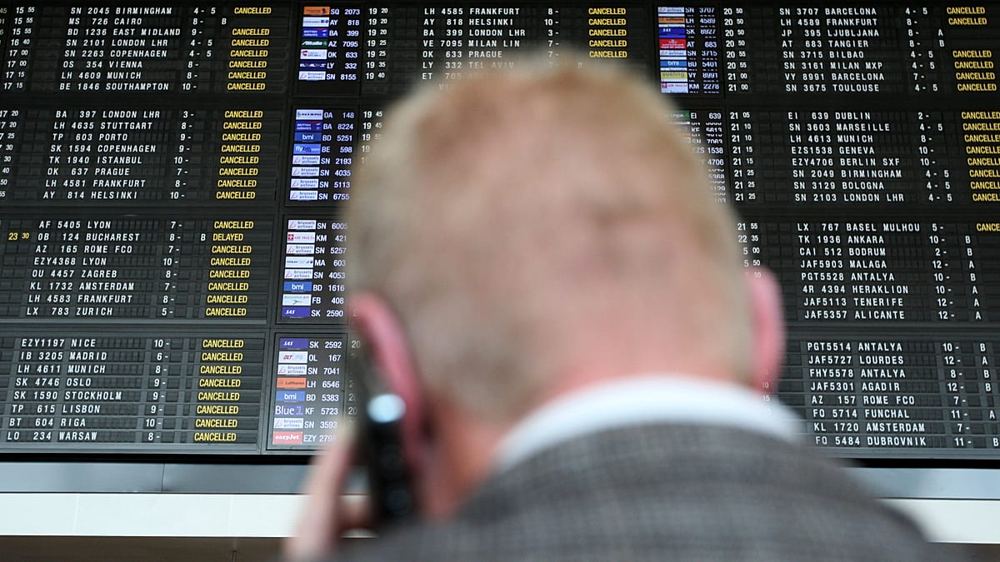
France has largely avoided the border chaos seen elsewhere in Europe since the introduction of the EU’s Entry & Exit System (EES). The French Interior Ministry reported that the new checks have not caused "any major congestion" at its airports. This stands in contrast to severe disruptions reported at airports in Italy, Greece, and Spain, where passengers have missed flights due to long queues.
The system requires non-EU citizens, excluding legal residents, to register biometric details such as facial scans and fingerprints. The seamless rollout in France is a significant relief for the travel industry, which feared that bottlenecks would deter tourists and disrupt a crucial economic period.
Since its rollout in 2025, the system has recorded more than 110 million entries and exits across the bloc. Over 44,000 people have been refused entry to the EU, mostly for overstaying visas or 90-day limits. France has been a primary enforcer of these rules, with May data showing 8,700 refusals specifically tied to over-staying.
Security dividends
The ministry emphasised the security benefits of the digital infrastructure. "More than 110 million entries and exits have been recorded in the system, and over 44,000 entry refusals have been notified, including more than 1,100 concerning individuals posing a threat to internal security," a ministry spokesperson said. “These figures demonstrate that EES effectively protects European citizens on a daily basis.”
France achieved its border fluidity by hiring an extra 350 staff to manage EES registrations. The government also actively leveraged legal flexibilities within the EU framework. “While respecting its European obligations, France has opted for a reasonable and pragmatic use of EES, utilising the flexibility provided by the European legal framework to maintain a satisfactory level of border fluidity,” the spokesperson added.
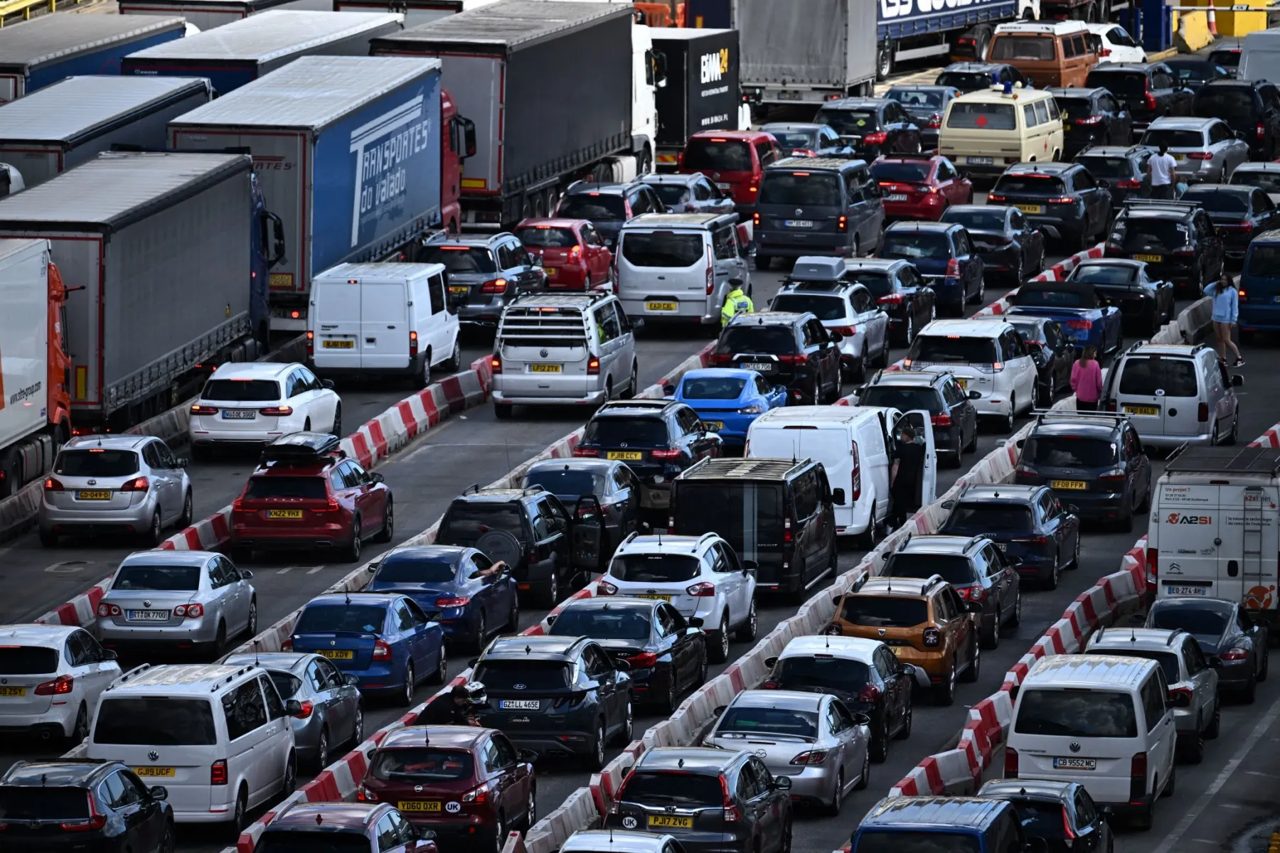
The ultimate stress test for this pragmatic approach will be the juxtaposed border controls used by travellers crossing from the UK. Operators at the Port of Dover, Eurotunnel, and Eurostar have pushed full EES checks to the end of the summer to prevent gridlock. “Everyone has been able to see on the ground that everything is being done to limit congestion related to EES, and the Government will ensure a gradual and controlled increase in the use of kiosks throughout the summer period while fulfilling its obligations,” the ministry said.