Swiss dam levels fall to 20-year low, threatening hydropower output
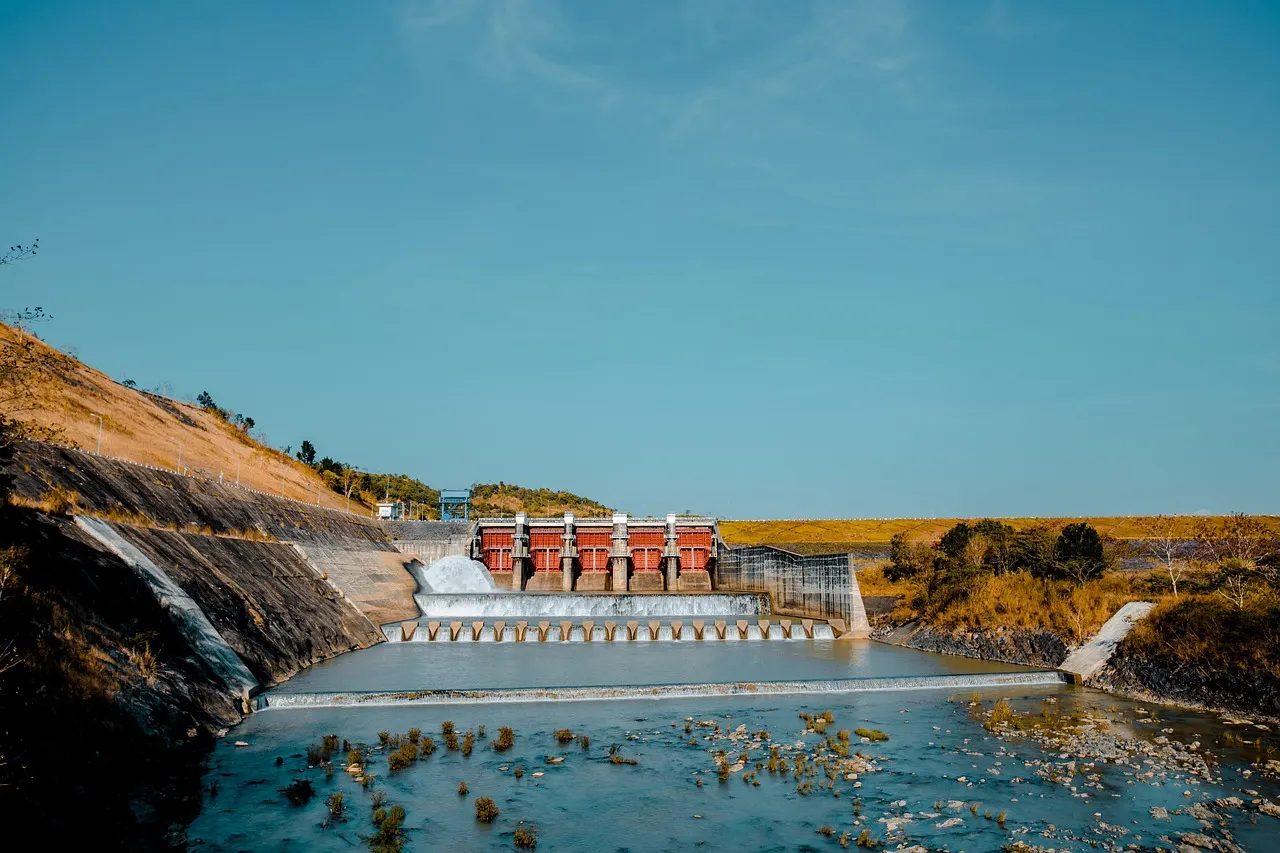
Critical Swiss dam reservoirs have dropped to 46% capacity, the lowest level in two decades, raising concerns about hydropower supplies as temporary glacial melt buffers rapidly disappear.
Swiss dam reservoirs are currently filled to just 46% of their capacity, marking the lowest level in two decades following prolonged heat and an absence of rain. The Federal Office of Energy (BFE) reported that water levels across the country's 1,500 lakes and 61,000 km of rivers and streams have become "exceptionally low."
This depletion poses a direct threat to Switzerland's power generation capabilities. Dams serve as critical infrastructure not just for water supply, but because the water they store feeds turbines to generate electricity. The mechanics of hydropower dictate that the higher the water level, the greater the production potential, meaning the current capacity severely limits the country's ability to produce power.
The immediate fallout extends beyond the energy sector. If lakes, rivers, and dams continue to run dry, the most obvious consequence will be water supply shortages for households and agriculture. For investors and grid operators, the reduced production potential means a constrained electricity supply.
A temporary, unintended buffer has emerged from the extreme heat itself. Exceptionally high temperatures have accelerated the melting of glaciers, pushing additional water into Switzerland's depleted waterways. However, this is neither a sustainable nor a reliable mechanism for stabilizing critical infrastructure.
Relying on melting ice to feed power infrastructure is a flawed long-term strategy. Glaciologist Matthias Huss warned that this temporary relief masks a severe structural vulnerability. “There is no model capable of guaranteeing a sustainable electricity supply,” he stated.
As glaciers permanently retreat, Switzerland's ability to weather future heatwaves diminishes. “In 10, 20, or 30 years, during heatwaves similar to those of today, we will have much less water available from glaciers,” Huss pointed out. “The situation could then become critical.”
For now, the focus remains on the immediate weather outlook. Andreas Jöckel, spokesperson for the Federal Electricity Commission (ElCom), noted that the coming months will dictate the severity of the energy crunch. “It is still too early to make forecasts, as rainfall in the coming months will be decisive,” he said.