French liability rules drive employer bans on holiday remote work
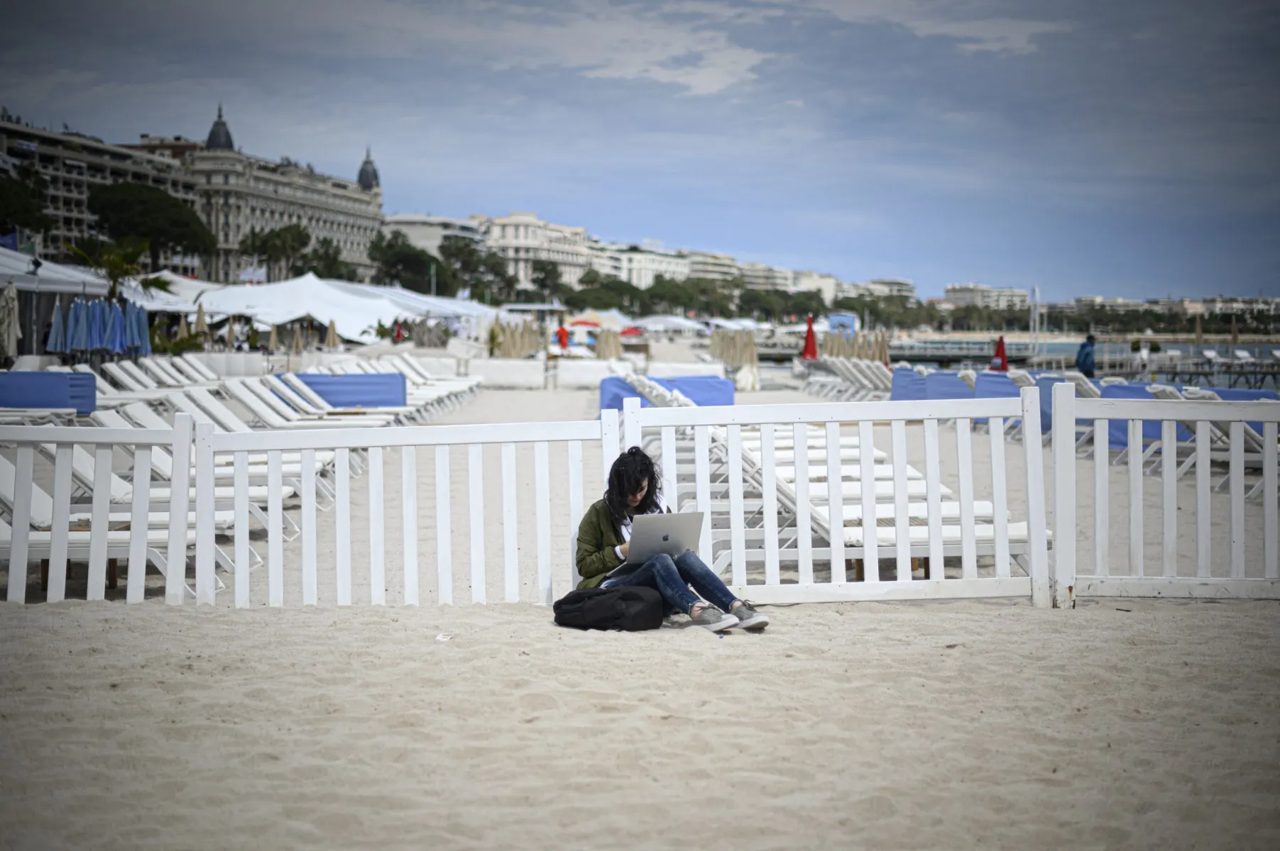
Multinational companies are refusing to let staff log on from French holidays due to the country's expansive employer liability laws, rather than any specific immigration rule.
Multinational companies are increasingly refusing to let employees log on for a few days while on holiday in France, often incorrectly citing immigration law as the reason. In reality, these corporate bans are driven by France’s exceptionally strict employer liability regime, which exposes foreign firms to significant legal and financial risk.
European citizens enjoy freedom of movement, while visitors from countries like the UK, US, and Canada can use their 90-day visa-free allowance. Although short-stay Schengen visas and visa-free travel technically prohibit working within the Bloc, immigration specialists note that doing occasional remote work for a non-French company with no ties to France does not trigger immigration issues. "Depending on the circumstances, this would probably be OK, provided that your work has no connection to France or a French company," said Fiona Mougenot, an immigration specialist at Expat Partners.
The actual barrier for businesses is French labour law. Once an employee works remotely from France, they fall under certain aspects of French workplace regulations, including employer liability. French liability rules are far broader than in most other countries, holding companies responsible for employee accidents in a wide range of remote circumstances. In 2019, a French court notably found an employer liable after an employee died while having sex with a stranger on a business trip.
This legal exposure creates a secondary problem with insurance coverage. "There are other potential issues connected to this, such as whether you would be covered by insurance in case of an accident - your workplace insurance will not cover you if your employer was not aware that you were working from France," Mougenot warned. Because of these risks, employers have the right to reject remote work requests unless the employment contract explicitly permits international flexibility.
For businesses managing cross-border teams, the situation creates a persistent operational friction. France's strict liability framework means even a brief overlap between a personal holiday and professional duties can pull a foreign company into French jurisdiction. While employers can issue advisories against travel—as several Swiss-based organisations did during the 2023 summer riots—they cannot legally ban staff from travelling to France in their free time.