Wildberries hit as Ukraine targets Moscow logistics and shadow oil fleet
Ukraine's shift toward striking Russian commercial logistics and sanctioned oil fleets is turning the Black Sea into a high-risk zone for global trade, as a deadly attack on a grain ship underscores the threat to agricultural exports.
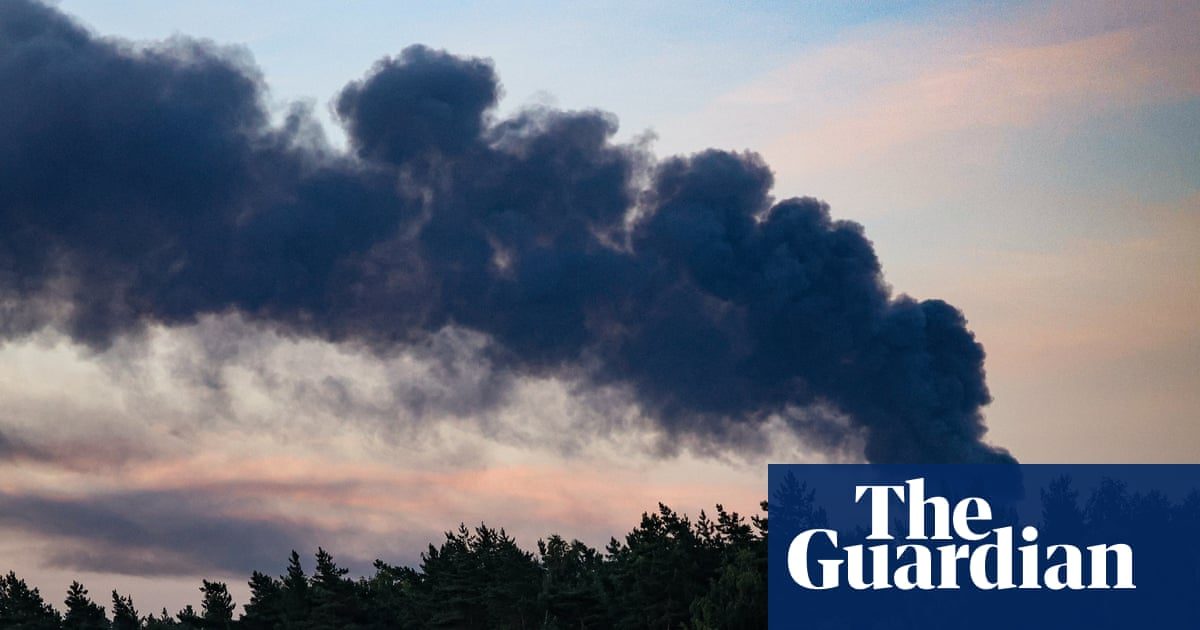
Ukraine fired more than 400 drones toward Moscow on Monday, igniting a fire at the Yuzhnye Vrata industrial park. The site is another Wildberries warehouse, following similar strikes over the weekend. Zelenskyy confirmed Ukrainian forces also hit an oil depot in the Moscow region, struck two vessels belonging to Russia’s shadow fleet transporting sanctioned oil, and attacked four dry cargo ships in the Black Sea.
The targeting of Wildberries, Russia’s largest e-commerce retailer, marks a deliberate escalation against commercial logistics. Zelenskyy justified the warehouse strikes by citing the facilities’ involvement in the Russian war effort. Simultaneously, attacking the shadow fleet directly undermines the maritime networks Europe has sought to sanction, disrupting the illicit transport of oil that finances Moscow's military.
The risks to legitimate commerce were highlighted by a Russian strike on a cargo vessel leaving Odesa on Sunday. Ukraine’s seaports authority said the MV Golden Leo, flying under the flag of Guinea Bissau and carrying Ukrainian corn, was hit shortly after departing, killing 10 crew members. India confirmed four of its nationals were among the dead, while Syria reported five of its sailors were killed.
The attack on the grain ship followed intense Russian bombardment of Odesa. Regional governor Oleh Kiper said Russian strikes have killed 28 people in the Odesa region in July alone. “If you take since the beginning of July, the Odesa region was under constant daily shelling. There were days when 13-15 air raid alerts had been announced in the region,” Kiper said.
Russia is sustaining this bombardment by depleting its reserves. According to the Institute for the Study of War, Russia has launched more ballistic missiles against Ukraine in July than it is thought to produce in a month. “Russia appears to be dipping into its stockpiles to continue increasing the number of ballistic missiles it launches against Ukraine, as these missiles have a higher success rate than drones and cruise missiles,” the thinktank said.
This military pressure coincides with internal political turbulence in Kyiv. Ukraine’s military commander in chief, Oleksandr Syrskyi, is widely expected to be sacked, a move that follows Zelenskyy’s ousting of modernising defence minister Mykhailo Fedorov. One armed forces source stated: “His destiny is decided. The question is who will replace him. There are a few important requirements. The person should be known and popular so everyone applauds.” Kyrylo Budanov, Zelenskyy’s chief of staff, acknowledged the backlash, stating “the public’s position has been heard” and the situation was being resolved “professionally and constructively.” “The enemy is closely watching every one of our internal disputes and waiting for us to start fighting among ourselves … work is under way. Results will follow,” Budanov added.