Burnham takes UK power, signals leftward shift amid fiscal limits
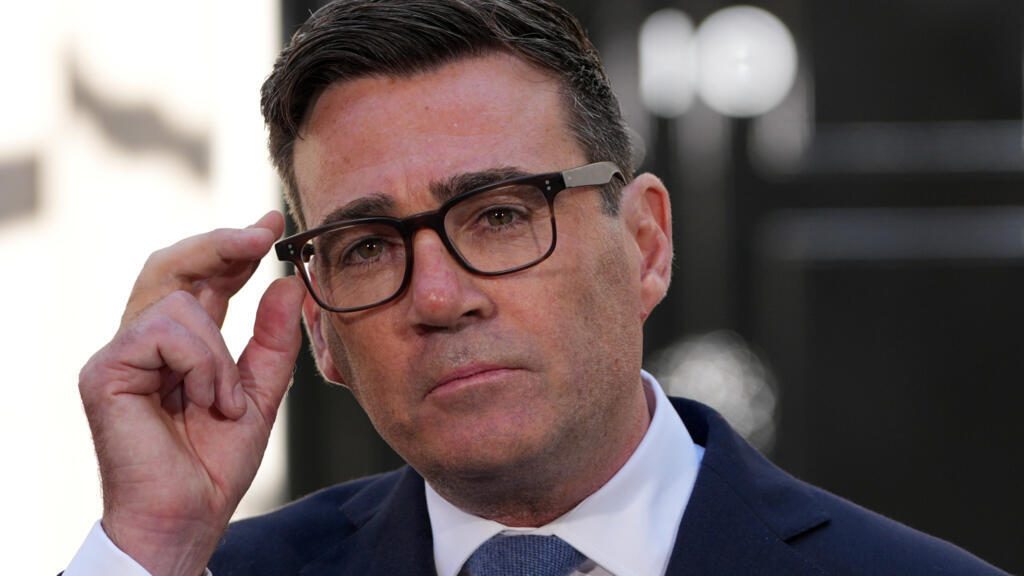
Andy Burnham has replaced Keir Starmer as British prime minister, promising a leftward economic shift that European investors and partners will watch closely given the country's tight fiscal constraints.
Andy Burnham took office on Monday as Britain's seventh prime minister in just over a decade, immediately moving to purge the cabinet of his predecessor Keir Starmer's loyalists. The 56-year-old former mayor of Greater Manchester sacked finance minister Rachel Reeves and foreign secretary David Lammy. He appointed John Healey as finance minister, Ed Miliband as foreign minister and Wes Streeting as defence minister, while bringing left-wing figurehead Angela Rayner back into government.
Burnham signalled a decisive leftward shift in British economic policy. Standing outside Downing Street, he vowed to build "a new economy" and "a new political model", explicitly stating that "in the 1980s Britain took some wrong turns". His agenda includes re-industrialising Britain through public procurement, building more public housing, and pledging to "put life's essentials back under stronger public control to make them affordable".
For investors and European trade partners, the critical question is how these ambitions will be funded. Burnham promised a 10-year plan to tackle the cost-of-living crisis, with specific measures due to begin on Tuesday. Yet he faces severe fiscal headwinds: high public debt, strict financial rules requiring him to balance spending against tax revenue, and elevated government borrowing costs. This leaves little room for large-scale state intervention.
The economic backdrop is already strained. Burnham inherits a tepid economy alongside a ballooning welfare bill, while unpredictable energy prices linked to the US-Iran war threaten further instability. Starmer, who won a landslide election in July 2024 after 14 years of Conservative rule, departed claiming Britain was "stronger and fairer". However, his two years in power were defined by scandals and policy reversals that ultimately cost him his job.
Foreign policy will also test the new administration. Burnham held early calls with US President Donald Trump and Ukrainian President Volodymyr Zelensky, reaffirming Britain's "resolute commitment" to Ukraine's defence. Trump noted they discussed "trade, military cooperation and demining the Strait of Hormuz", while French President Emmanuel Macron urged Burnham to give "new momentum to the partnership" with the European Union.
Burnham's rise has not been without domestic controversy. He was parachuted into the leadership by Labour MPs who viewed him as the best candidate to counter the surging hard-right Reform UK party. His swift coronation without a membership contest has drawn criticism, with opposition politicians questioning his mandate and demanding a snap election.