Venice hotel targets experiential tourism to differentiate in crowded market
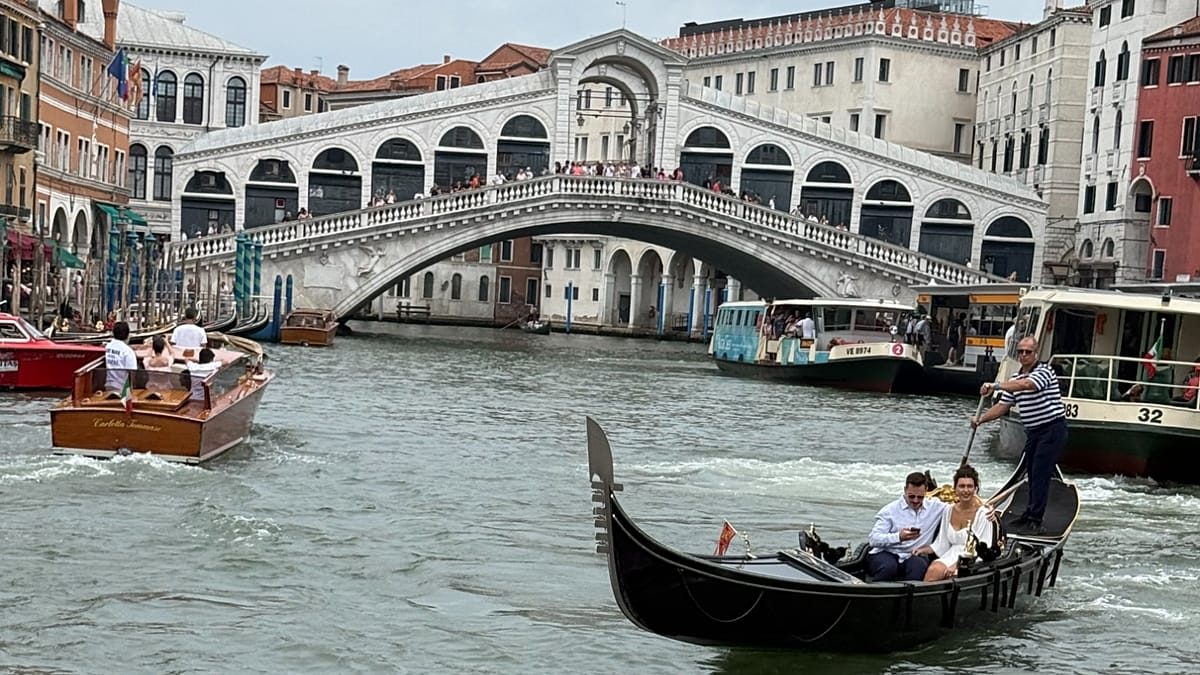
The Avani Rio Novo Venice hotel is launching a programme of immersive local crafts and dawn activities, reflecting a broader hospitality shift toward experience-based models to capture changing consumer demand in saturated European destinations.
The Avani Rio Novo Venice hotel has introduced a comprehensive programme of immersive activities, featuring sunrise running, Murano glass-making and traditional Venetian mask workshops. The initiative is designed to position the property as a centre for experiential tourism rather than functioning solely as standard accommodation.
This operational pivot highlights a broader strategic shift within the European hospitality sector. Operators are increasingly adopting experience-based models to differentiate their offerings in highly saturated markets and capture changing consumer demand. Elisa Necci, head of customer relations at the hotel, stated the objective is to help guests feel like locals.
The new offerings allow visitors to engage directly with the city’s historic trades. Participants can learn glass-working techniques from local artisans on Murano or craft functional pieces from historic lagoon wood at the Lunardelli workshop. Necci noted that handling these materials allows tourists to physically connect with the destination's heritage.
The hotel also introduced guided dawn runs through the historic centre to offer a perspective away from the daytime crowds. Denys Bukovskyi, a guide who has lived in Venice for over 16 years, leads the routes before the major tour groups arrive. He explained that the activity adapts to all paces while showcasing the silent streets and empty bridges.
The strategy targets a diverse international demographic, drawing visitors from Spain, Latin America, the United States, Germany and France. Necci emphasised that these travellers are actively seeking alternatives to conventional itineraries like visiting St Mark’s Square. By facilitating this deeper engagement, the hotel aims to establish itself as a reference point in a competitive European lodging market.
Ultimately, the initiative underscores how hospitality businesses are adapting to the modern travel economy. By monetising authentic, hands-on cultural access, companies can build stronger emotional connections with consumers and secure a distinct competitive advantage in legacy destinations.