Revolut chairman urges Europe to build pan-European banking champions
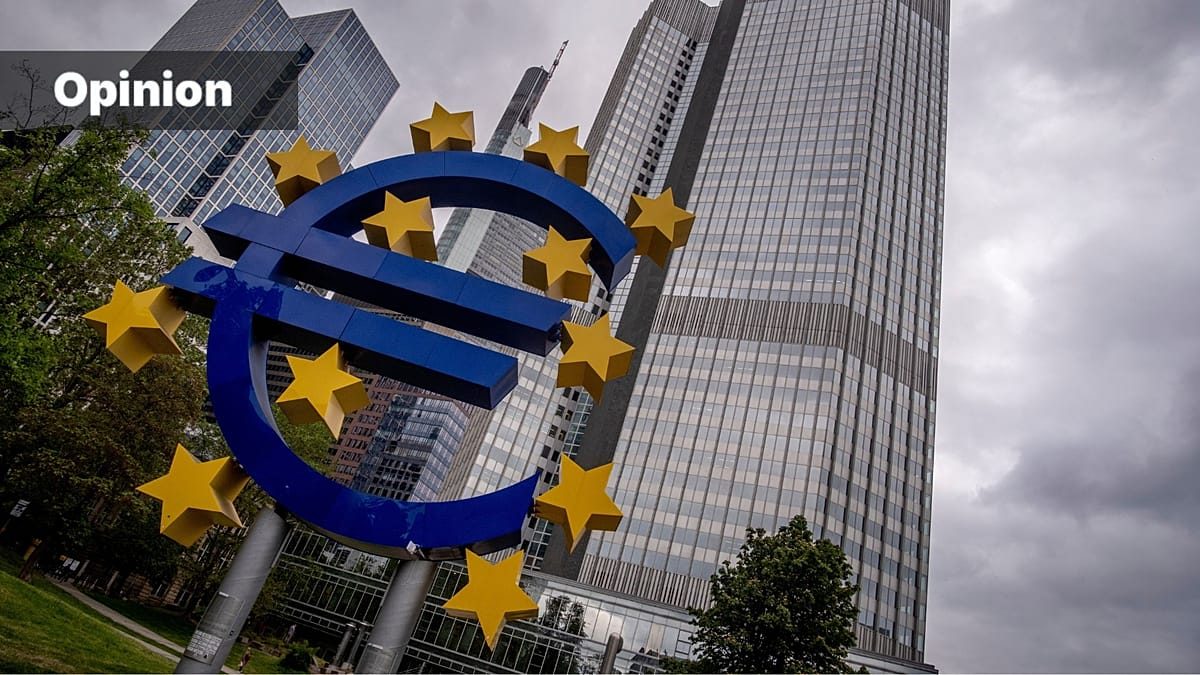
Frédéric Oudéa, chairman of Revolut Western Europe, argues that dismantling national banking silos is essential to create the financial champions needed to close the continent's massive investment gap.
Frédéric Oudéa, chairman of Revolut Western Europe, has called for the creation of pan-European financial champions to fund the green transition, defence and innovation. He argued that Europe must abandon the fragmented banking model that has dominated policy since the 2008 financial crisis.
The current regulatory environment prioritises national protectionism to avoid institutions becoming too big to fail. Oudéa contends this approach has left the European banking sector geographically siloed and unable to compete globally. He argues that the prevailing myth that cross-border scale inherently creates systemic risk is actively regulating the continent out of the future economy.
The cost of fragmentation
The scale of the disparity is evident when comparing European lenders to their American counterparts. Before 2008, banks on both sides of the Atlantic were roughly equal in size. Today, a single US institution like JPMorgan Chase holds a higher valuation than the top ten European banks combined.
This fragmentation also creates severe domestic vulnerabilities through what Oudéa describes as a doom loop. Banks confined to national borders become overly exposed to their home country's sovereign debt. A localised economic shock in one member state instantly cripples domestic lending capacity, depriving businesses of credit precisely when they need it most.
The economic opportunity cost is equally stark, with Europe facing a €620 billion annual funding gap for innovation and growth. Because capital markets remain siloed, domestic scale-ups are forced to seek late-stage funding in the United States. This occurs even as €33 trillion in European wealth sits underutilised behind national borders.
Unifying the market
To resolve this, Oudéa advocates for completing the half-built EU Banking Union and advancing a true Savings and Investments Union. He urges policymakers to eliminate national regulatory gold-plating and drive stronger convergence between existing national safety nets. This would provide the necessary frameworks to encourage healthy cross-border consolidation.
He points to Revolut as proof that a borderless model can succeed at a global level. Appointed to his role in July 2025, Oudéa notes that Revolut is currently the only European company among the world's top ten most valued private tech firms.
A unified technological infrastructure across all 27 member states would allow cross-border liquidity to absorb economic shocks. Mobilising this dormant capital is presented as the essential foundation for modernising healthcare, financing the energy transition and reclaiming European economic sovereignty.