Andy Burnham appointed UK prime minister as Labour attempts political revival
The new British prime minister faces the immediate challenge of reversing Labour’s electoral decline and countering the rise of populist nationalism.
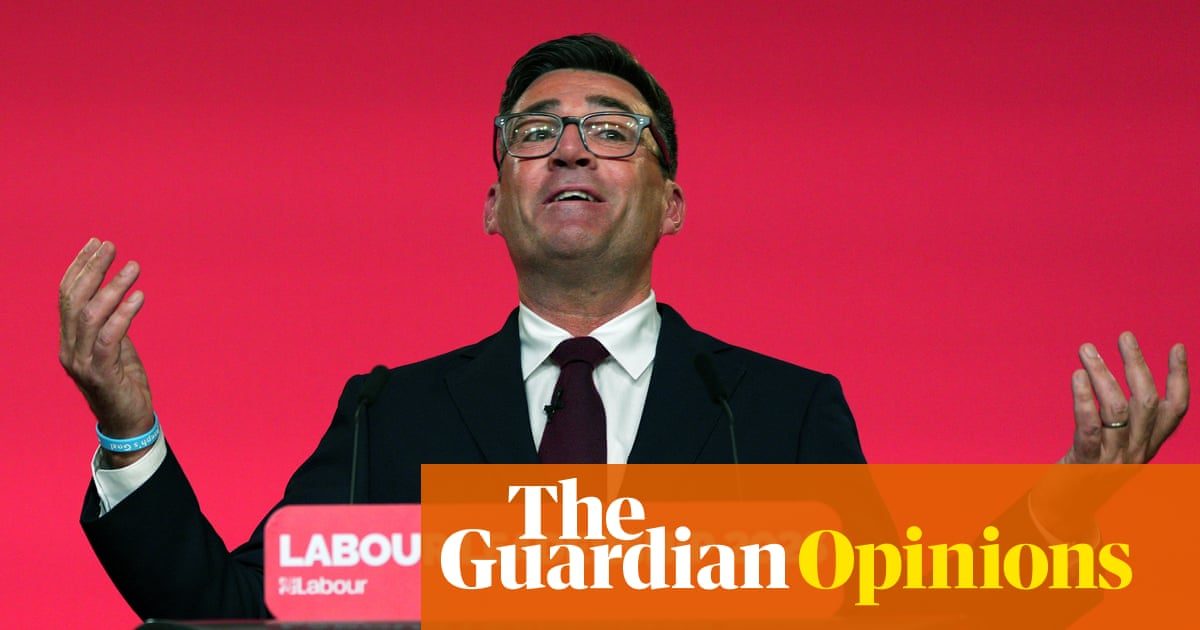
Andy Burnham has been confirmed as the new British prime minister and Labour leader following the resignation of Keir Starmer. Burnham secured the leadership after being the only party MP to gather the necessary nominations. He recently entered the House of Commons through a byelection in Makerfield, transitioning directly from his role as mayor of greater Manchester to Downing Street.
This leadership change comes amid a severe electoral freefall for the governing party. Despite a decisive election victory two years ago, Labour’s voting support plummeted from above 30 per cent to 17 per cent this spring. During this period, Nigel Farage’s Reform UK has established a consistent lead in the polls since May 2025.
A shift in political tone
Burnham’s appointment signals a deliberate shift in political messaging. While Starmer’s government set a grim atmosphere by warning the public that “things will get worse before we get better”, the new prime minister is campaigning on optimism. In a major speech last month, Burnham stated: “It promises a new era of possibility for Britain. Possibility for places that haven’t felt it for a very long time … Let’s give them that feeling, that ability to hope, to aspire for better.”
However, rhetorical shifts must translate into tangible economic results. As prime minister, Burnham faces the urgent task of generating economic growth and repairing the foundations of a society showing signs of cracking. Investors and voters alike will be watching closely to see if his administration offers substantive policy departures from Starmer or merely a more charismatic presentation of the same constraints.
The transition also occurs as populist forces face their own temporary stumbles. Farage recently resigned his seat in the House of Commons, triggering a byelection in Clacton. This shapes to be a farcical contest between Farage and the novelty candidate Count Binface, following intense scrutiny over his party’s donations from a cryptocurrency billionaire and a convicted criminal.
For centre-left movements across Europe, the British Labour Party’s ability to neutralise populist nationalism will serve as a critical test. Countering this threat requires more than a change in sentiment; it demands a clear vision and the delivery of measurable change to an impatient public.